Ukraine and Germany launch Brave Germany, a joint programme for defence technology development
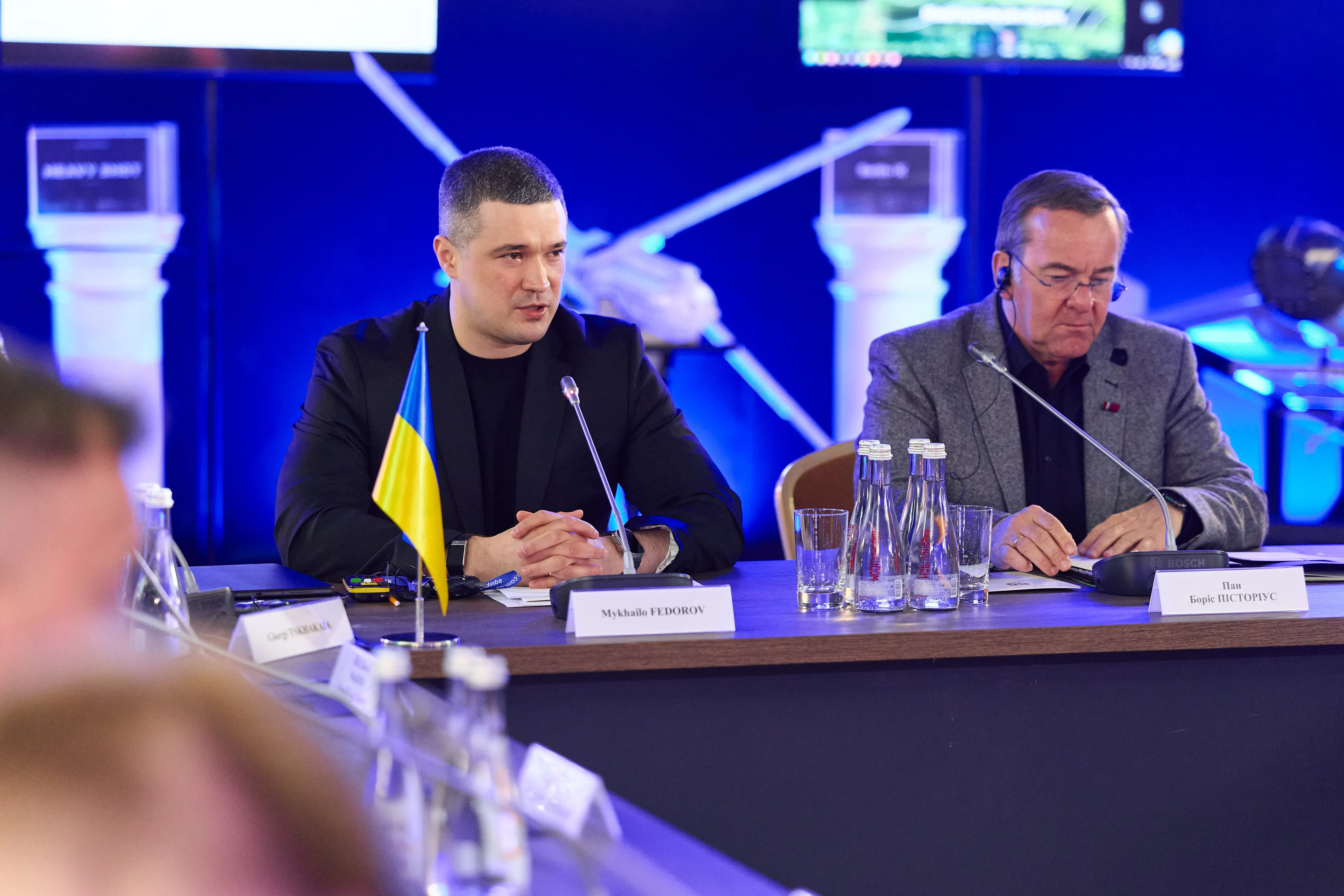
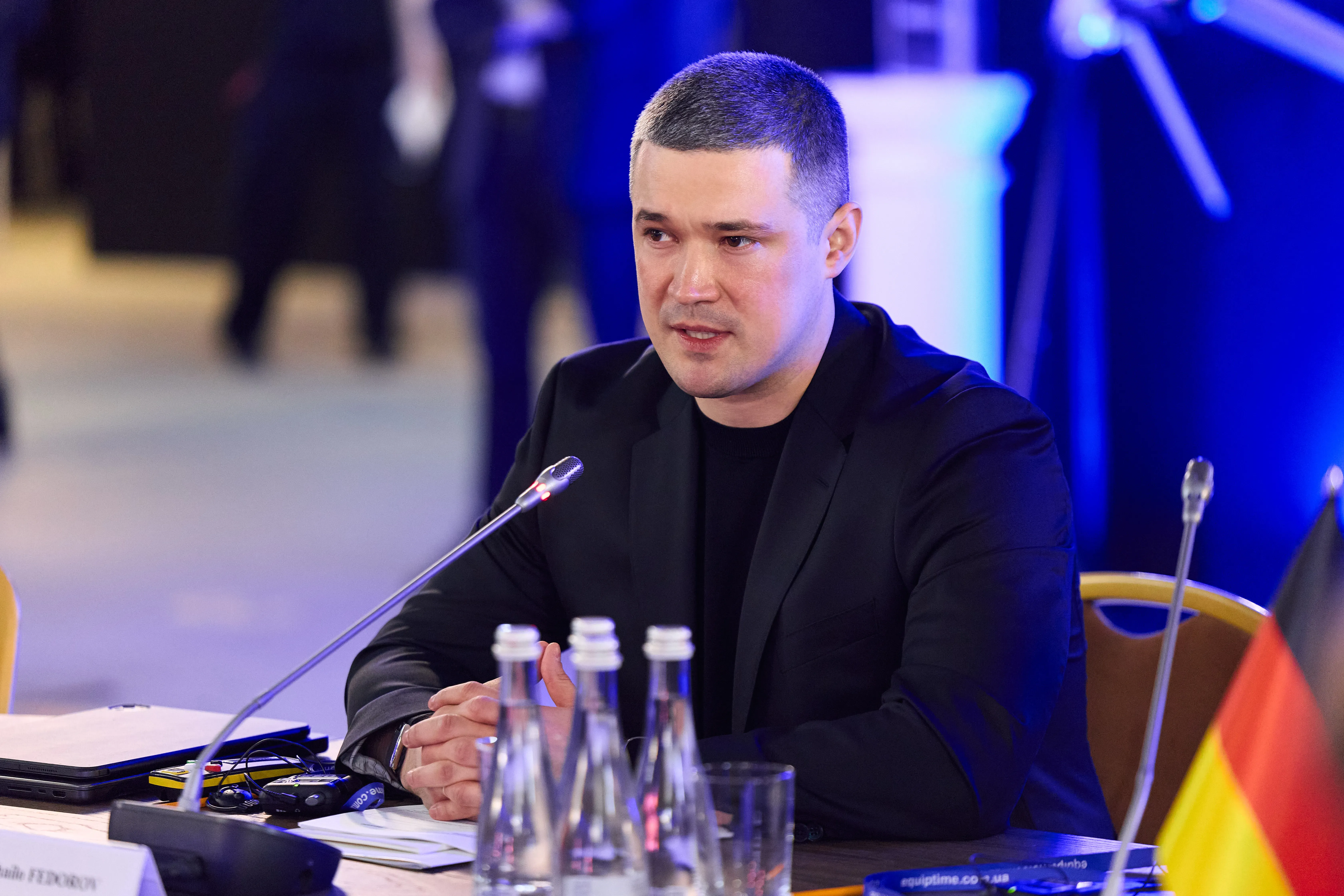
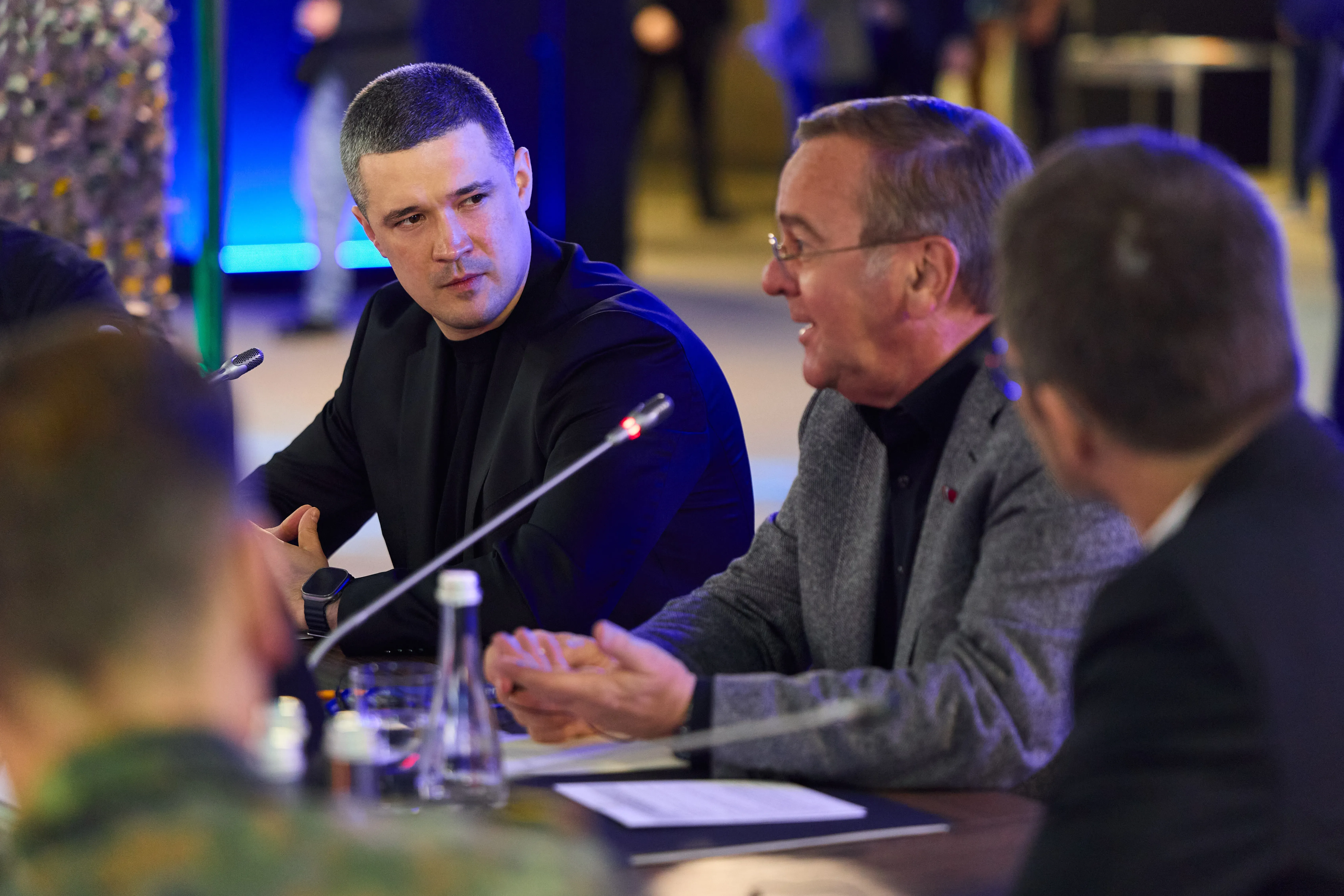
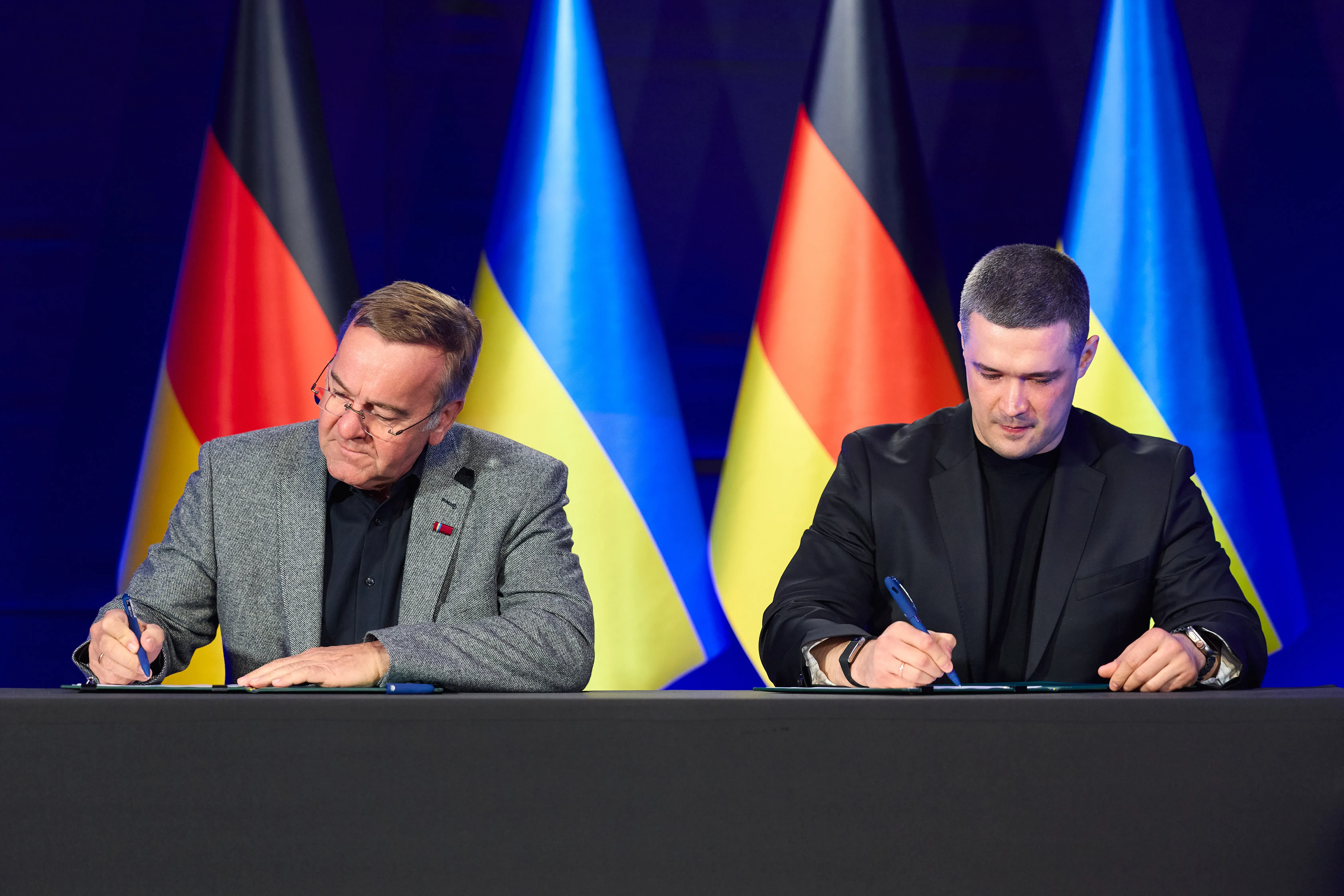
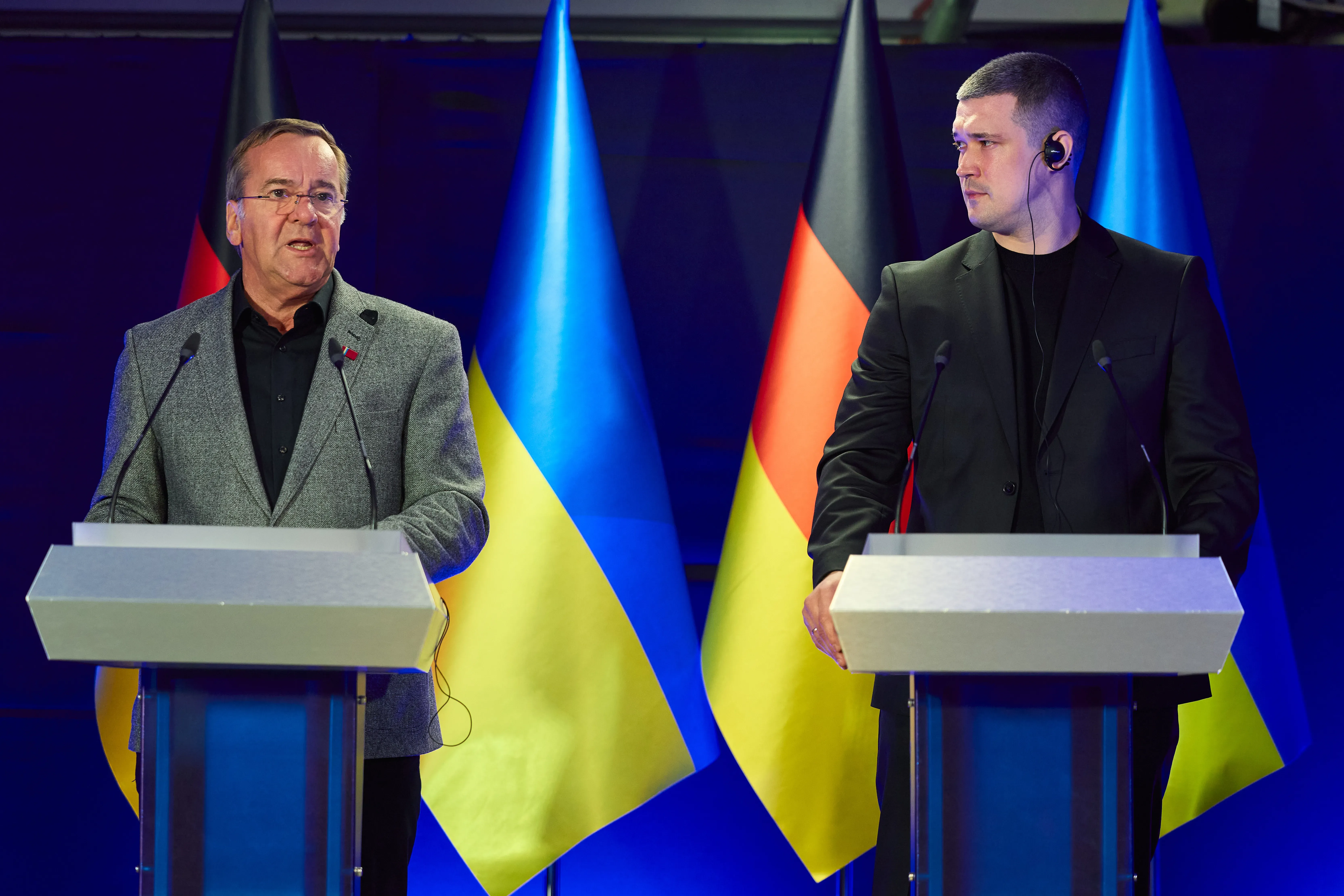
In Kyiv, Minister of Defence of Ukraine Mykhailo Fedorov and Federal Minister of Defence of Germany Boris Pistorius signed a letter of intent to launch Brave Germany, a joint initiative aimed at developing defence technologies and supporting innovative start-ups.
The programme provides for grant support to Ukrainian and German start-ups engaged in critical areas of defence technology.
Brave Germany: Joint innovation for modern warfare
Brave Germany will be implemented in partnership with the Brave1 defence innovation cluster and will aim to develop solutions in areas that define the future of warfare.
This includes, in particular:
- unmanned technologies;
- artificial intelligence;
- laser systems;
- new communications solutions;
- missile technologies;
- other critical defence tech areas.
Mykhailo Fedorov expressed gratitude to Germany and, personally, to Boris Pistorius for their leadership and sustained support for Ukraine. Germany is today the world's number one in security assistance to Ukraine, providing around one-third of all support.
German support for Ukraine: key priorities
During the meeting, the Minister of Defence of Ukraine expressed particular gratitude to Germany for decisions that strengthen Ukraine’s air defence.
This includes the procurement of hundreds of missiles for Patriot systems, financing interceptor drones, supporting the PURL (Prioritised Ukraine Requirements List) mechanism, and a critically important initiative that enabled Ukraine to obtain Patriot missiles during the harshest winter.
Mykhailo Fedorov also expressed gratitude for:
- over $1 billion directed towards developing deep-strike and middle-strike capabilities;
- support for drone assault military units — Germany became the first country to support this innovative capability area;
- support for the supply of long-range artillery ammunition through the ‘Czech Initiative’.
Mykhailo Fedorov briefed the German side on the results of implementing Ukraine’s defence strategy: protecting the skies, stopping the enemy on the front line, and targeting russia’s economy.
Ukraine’s defence strategy: air, land, economy
In the air domain, Ukraine intercepts around 90% of enemy drones and about 80% of cruise missiles. Ballistic threats remain a major challenge, but Ukraine expects to address this issue together with Germany, particularly through the development of an indigenous European ballistic missile defence capability.
The first steps in this project are already underway: Ukrainian and German industries will cooperate on the development of indigenous anti-ballistic capabilities. To support this effort, the countries will simplify data exchange between their defence industries.
On the front line, russia’s offensive is gradually losing strength. In March and April, russian losses exceeded 35,000 personnel each month.
Ukraine’s middle-strike capabilities are degrading enemy logistics, while deep-strike capabilities are focused on russia’s military economy. Ukrainian drone capabilities demonstrate that russia no longer has a safe place that a Ukrainian drone cannot reach.
Additional funding for Ukraine to regain the initiative on the front line
Ukraine expects 2026 to become a turning point, with the initiative shifting to Ukraine in the air, on the front line, and in the economic sphere.
To achieve this, Ukraine has developed a strategy for achieving strike superiority at all levels:
- at the tactical level — eliminate 50,000 russian troops per month;
- at the operational level — disrupt enemy logistics through middle-strike capabilities;
- at the strategic level — inflict irreparable damage on russia’s economy through deep-strike operations.
The Minister of Defence of Ukraine also outlined plans for the development of AI-driven solutions, reforms to the contract recruitment system aimed at improving both the quality and force strength of the military, and the advancement of cognitive warfare capabilities.
The implementation of these plans will require additional financial resources. During the meeting with Boris Pistorius, the Minister of Defence of Ukraine discussed ways to involve more countries in providing meaningful support.
Ukraine expects Germany to serve as a model of European leadership in rallying resources in support of Ukraine.
Ukraine–Germany win-win cooperation and defence innovation
The parties also discussed further steps in their mutually beneficial cooperation. Ukraine is not only receiving assistance but also providing value to its partners through access to the DELTA ecosystem, Ukrainian technologies, and the opportunity to jointly train AI models using real combat data.
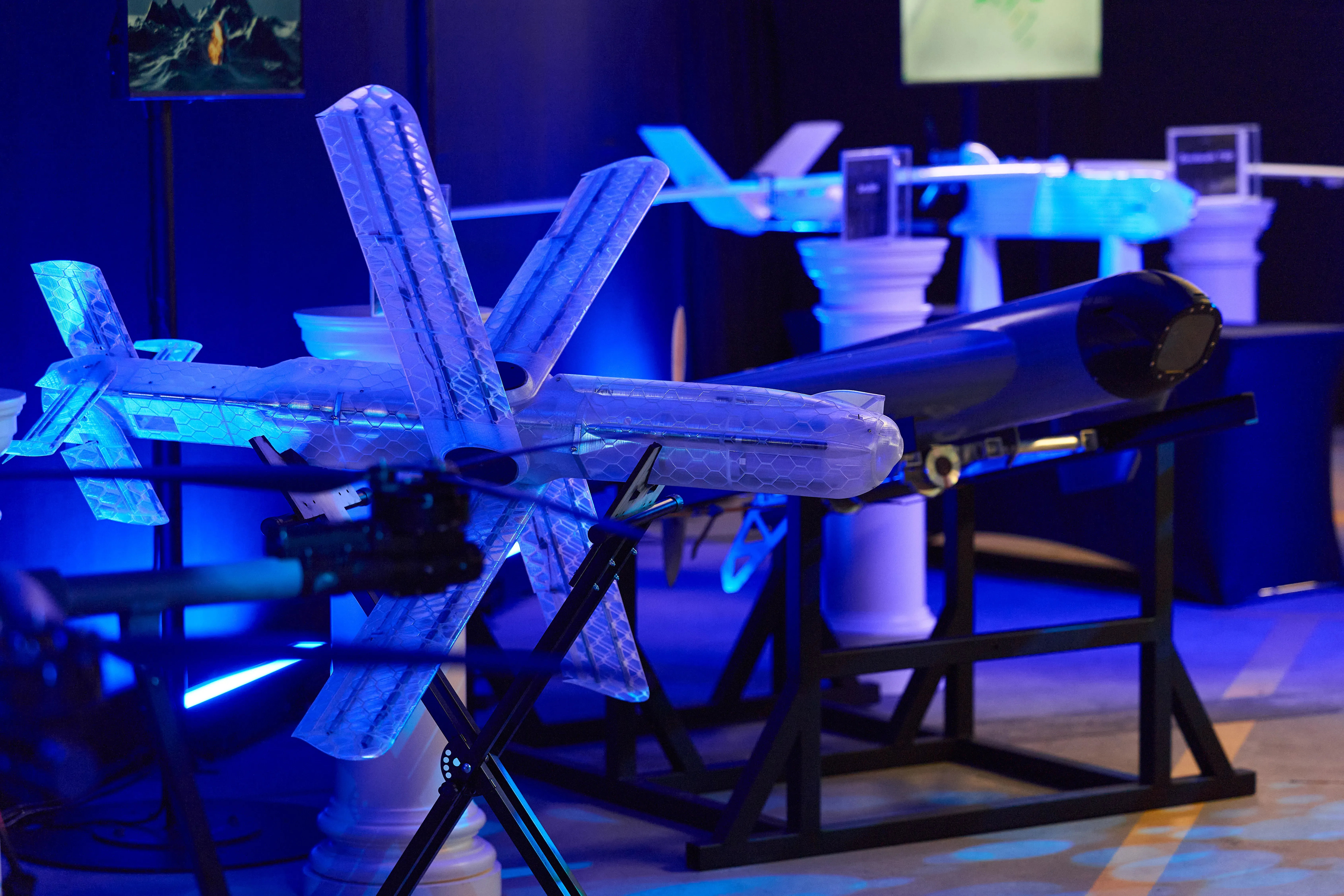
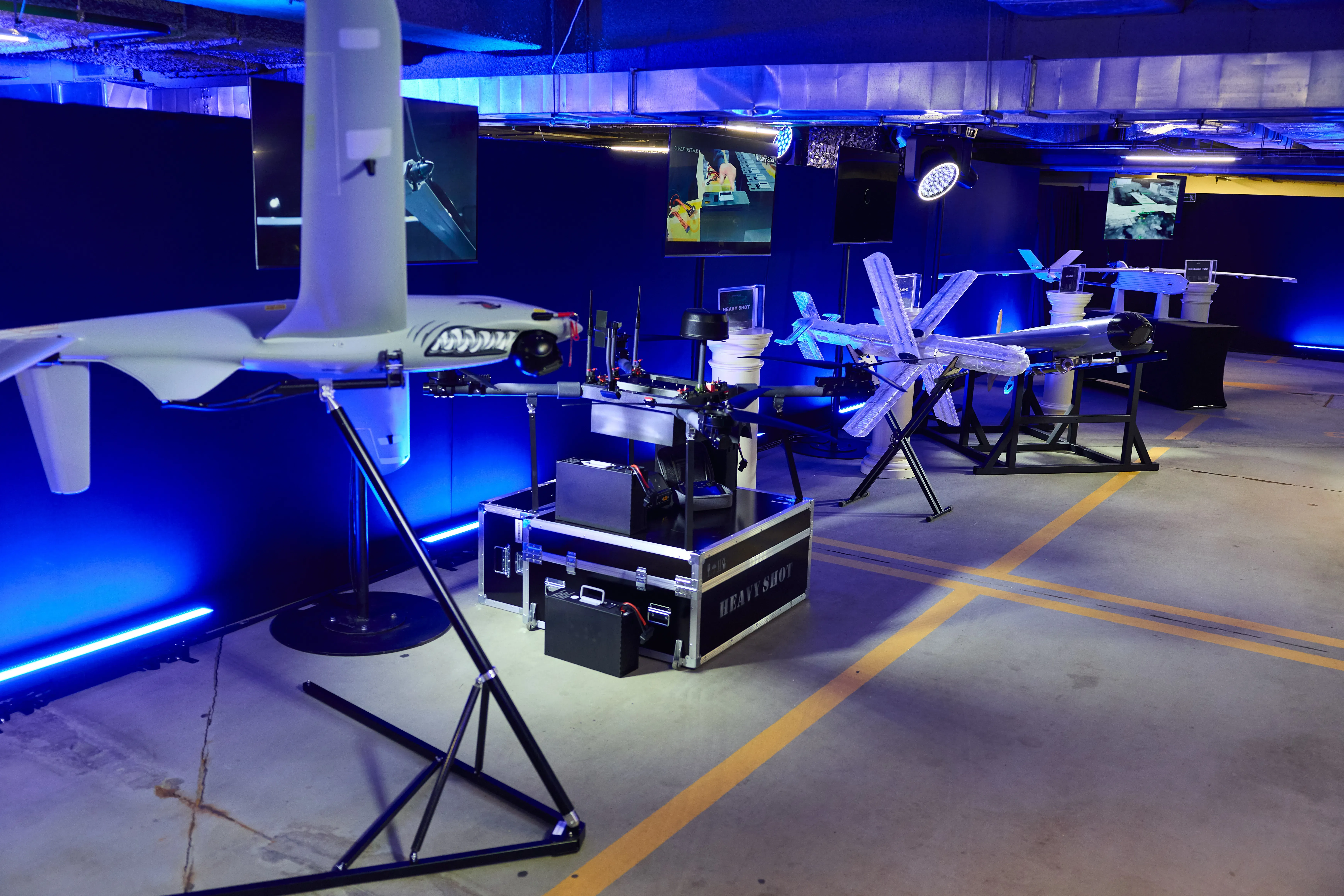
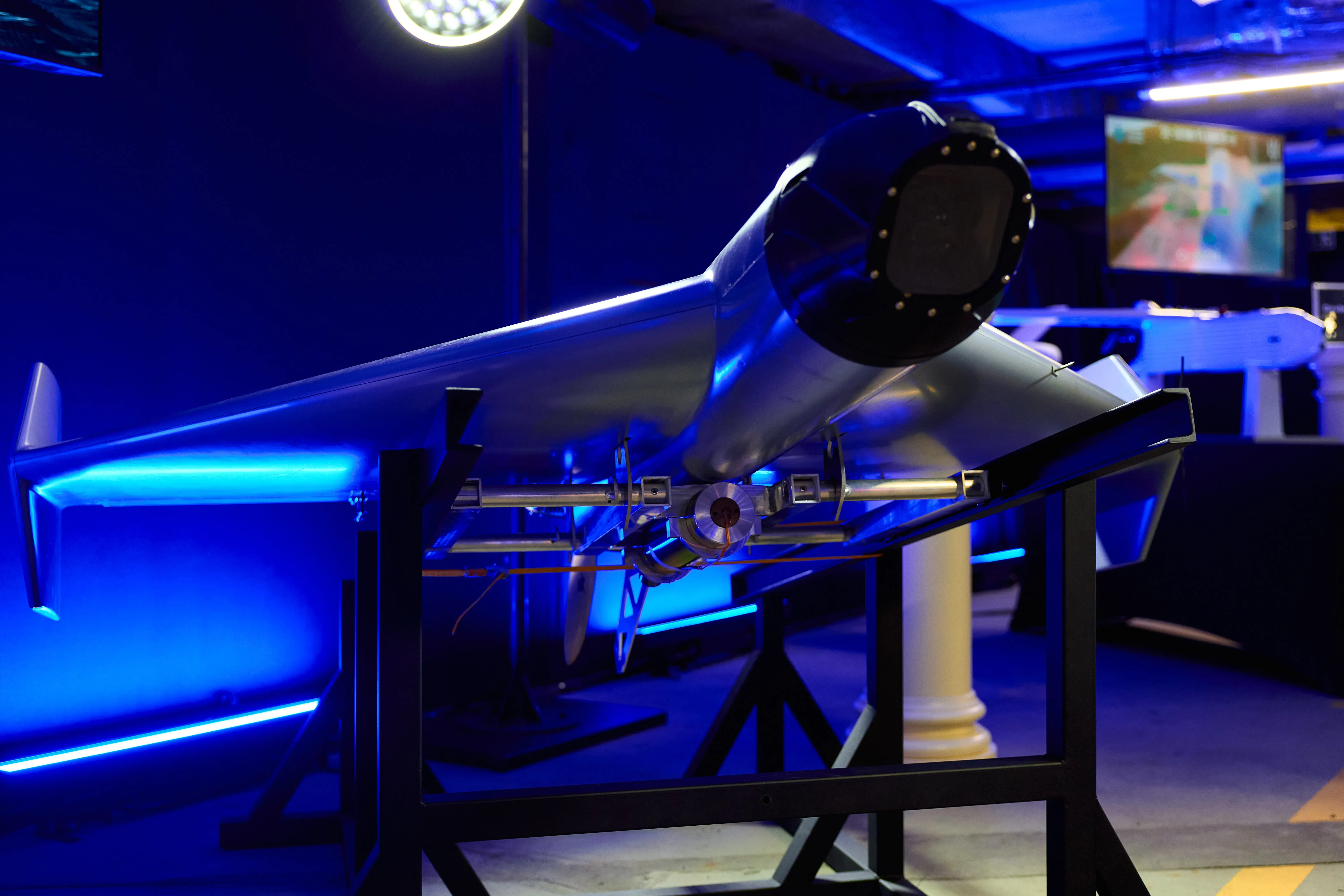
During the visit, the foreign delegation was shown Ukrainian missiles and drones that have already proven their effectiveness.
Mykhailo Fedorov emphasised that Ukraine and Germany are driving forces behind European security, and that responsibility for Europe begins with securing a just and sustainable peace.
Visit to air defence positions
The German delegation, led by Boris Pistorius, was also shown how Ukraine’s air defence systems operate. Accompanied by a delegation from the Ministry of Defence of Ukraine, headed by Deputy Minister of Defence for European Integration Sergiy Boyev, the partners visited a command-and-control post. They reviewed systems designed to counter Shahed-type drones.
In particular, the delegation observed the operation of a mobile fire group equipped with interceptor drones.
In addition, the delegation visited an energy infrastructure facility damaged in russian attacks.