From Marder to IRIS-T: German weapons Ukraine has received since the start of the full-scale invasion
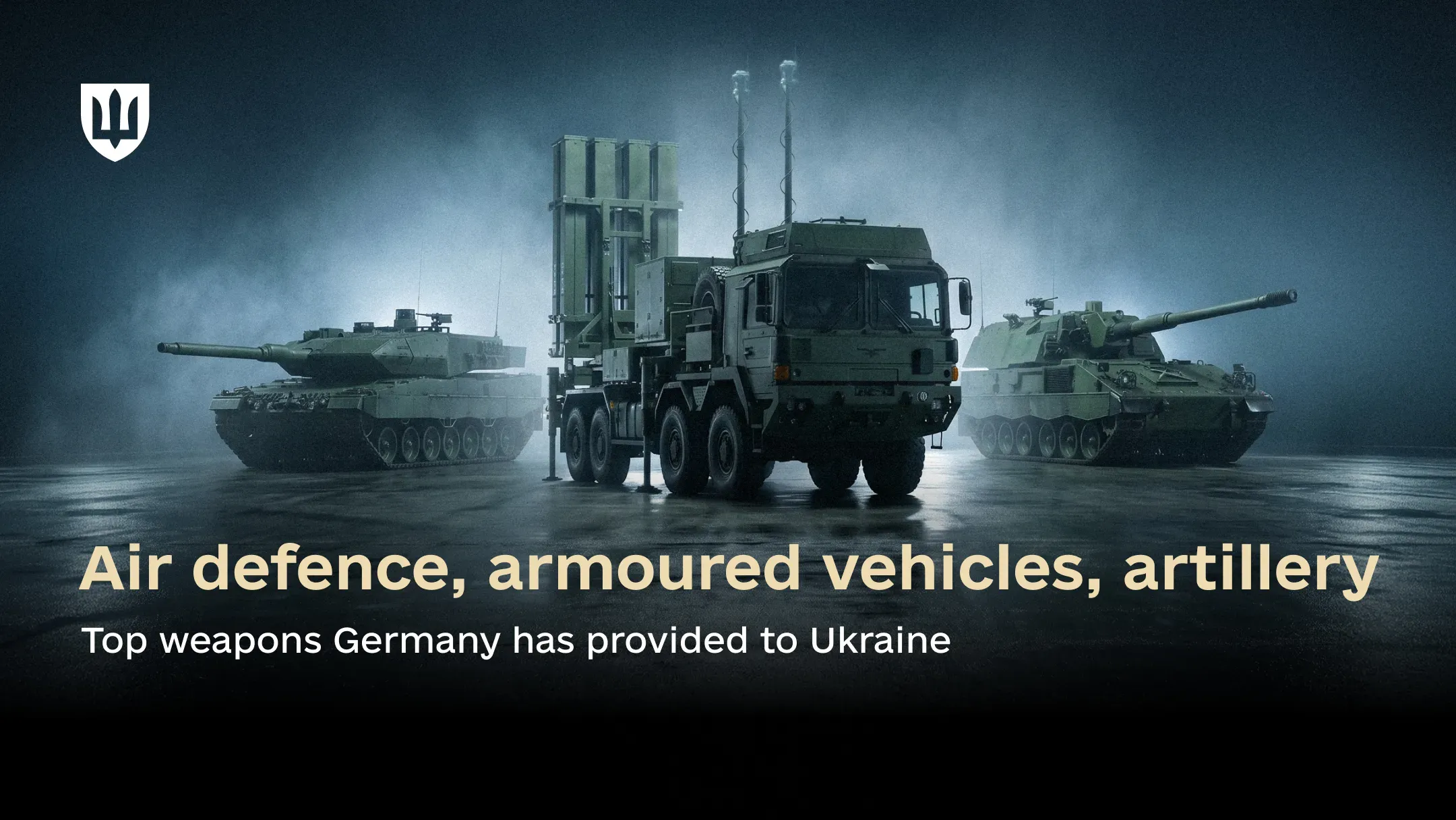
Since the beginning of the full-scale invasion, Germany has emerged as one of Ukraine’s largest suppliers of weapons and military equipment, ranging from armoured vehicles to air defence systems.
As noted by the President of Ukraine, Germany’s total military support over this period has surpassed €28.6 billion.
Ukraine’s Minister of Defence, Mykhailo Fedorov, has stated that Germany is today the number one country in the world in terms of security assistance to Ukraine, providing around one third of all support.
German Leopard tanks, Marder infantry fighting vehicles, IRIS-T air defence systems, PzH 2000 self-propelled howitzers, and other systems have all played an important role in strengthening Ukraine’s defence capabilities.
Germany has also provided US-made Patriot air defence systems and missiles for them, HIMARS multiple launch rocket systems, M113 armoured personnel carriers, Slovak-made Zuzana self-propelled howitzers, and numerous other types of military equipment.
The Ministry of Defence of Ukraine highlights the most important German weapons systems received by the Defence Forces.
Germany is among the leaders in supporting Ukraine’s air defence
Germany has become one of the key leaders in strengthening Ukraine’s air defence. Thanks to cooperation with Berlin, Ukraine has enhanced its capabilities with systems such as IRIS-T, Gepard, and Skynex.
IRIS-T SLM/SLS: protection against ballistic and cruise missiles
The delivery of IRIS-T air defence systems has become one of the key factors in strengthening Ukraine’s air defence capabilities.
The system comes in two configurations:
- SLM, capable of engaging targets at ranges of up to 40 kilometres and altitudes of up to 20 kilometres;
- SLS, a short-range variant with an engagement range of up to 10 kilometres.
The IRIS-T missile is highly manoeuvrable, which is particularly important for intercepting ballistic and cruise missiles during the final stage of their trajectory.
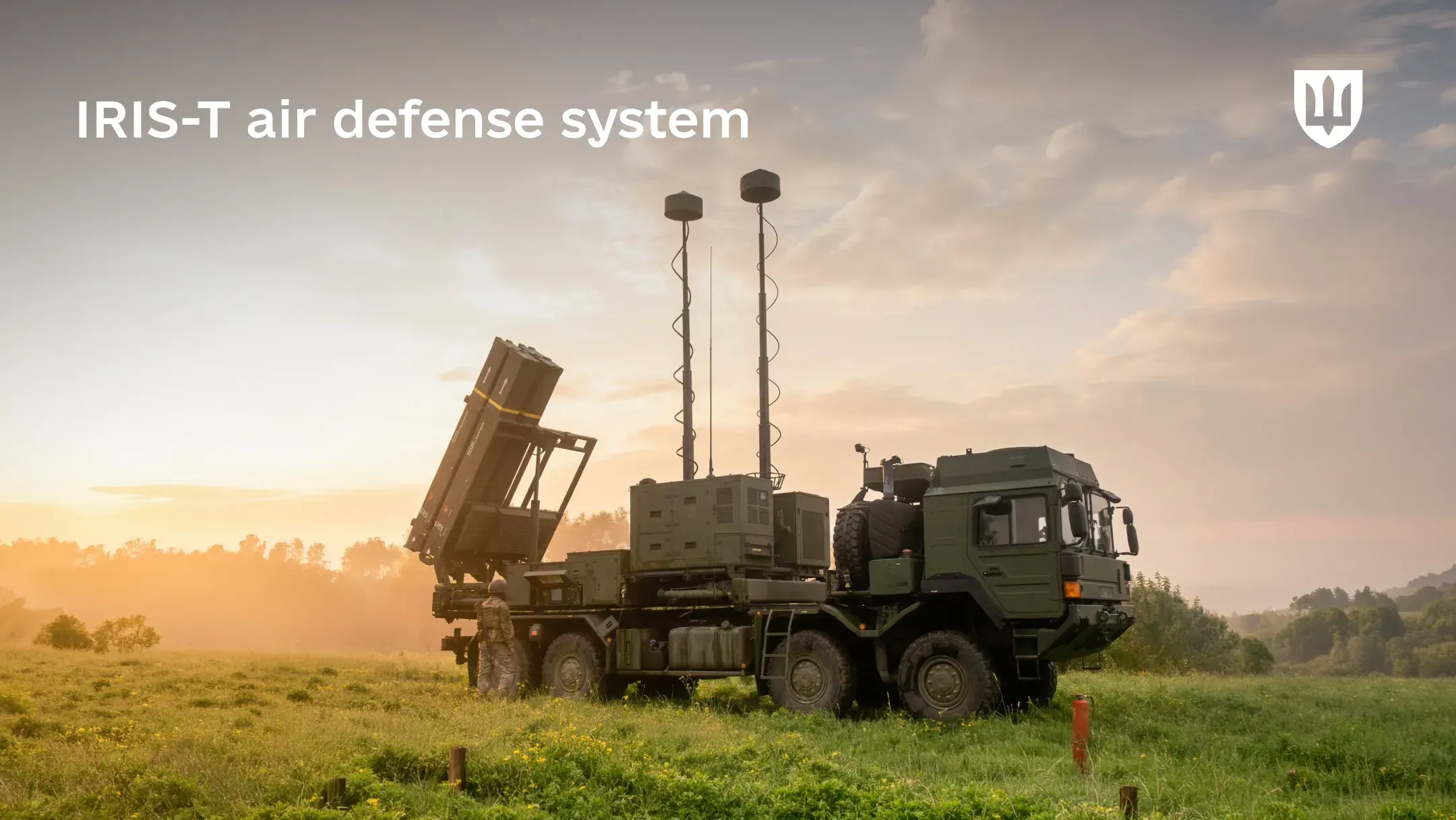
The system can engage multiple targets simultaneously across different sectors, a critical capability during large-scale combined attacks.
Ukrainian forces report a high interception rate against enemy aerial threats using IRIS-T systems.
Gepard in the Armed Forces of Ukraine: countering Shahed drones
The Gepard self-propelled anti-aircraft gun system is equipped with twin 35 mm automatic cannons. The system has a combined rate of fire of approximately 1,100 rounds per minute and an effective engagement range of up to 4 kilometres in altitude and 5.5 kilometres in range.
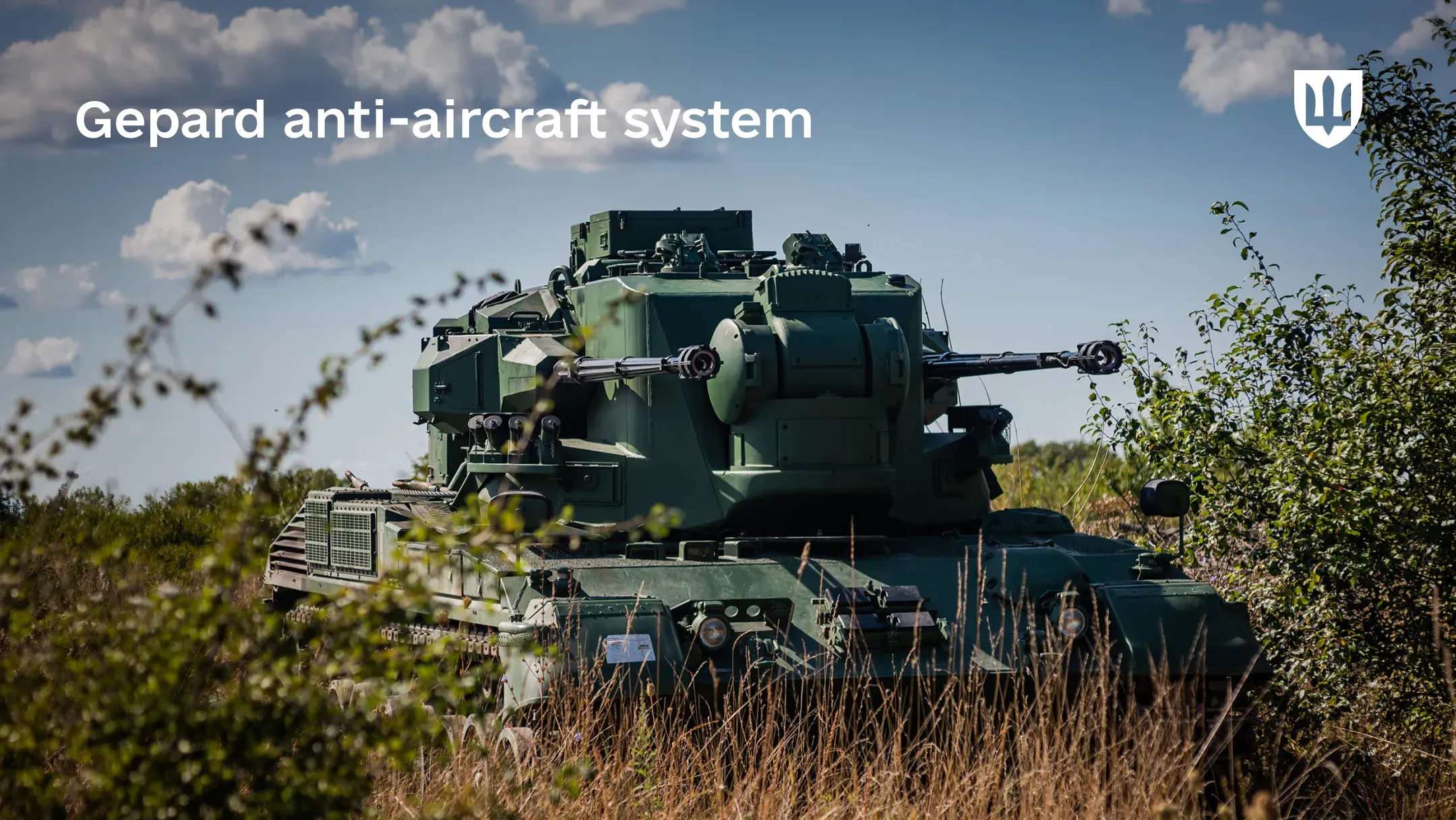
Originally designed in the 1960s to intercept low-flying jet aircraft, the Gepard has demonstrated strong effectiveness in countering small UAVs, Shahed-type drones, and low-flying missiles in modern combat conditions.
Its major advantages include low maintenance requirements, an autonomous radar-based fire-control system, and relatively low engagement costs compared to missile-based interceptors.
Skynex air defence system: countering drones and cruise missiles
The Skynex anti-aircraft artillery system combines the 35 mm Oerlikon Revolver Gun Mk3, the Oerlikon Skymaster command-and-control system, and the X-TAR3D tactical radar.
Each battery is capable of monitoring airspace within a radius of up to 50 kilometres and engaging targets at distances of up to 4 kilometres.
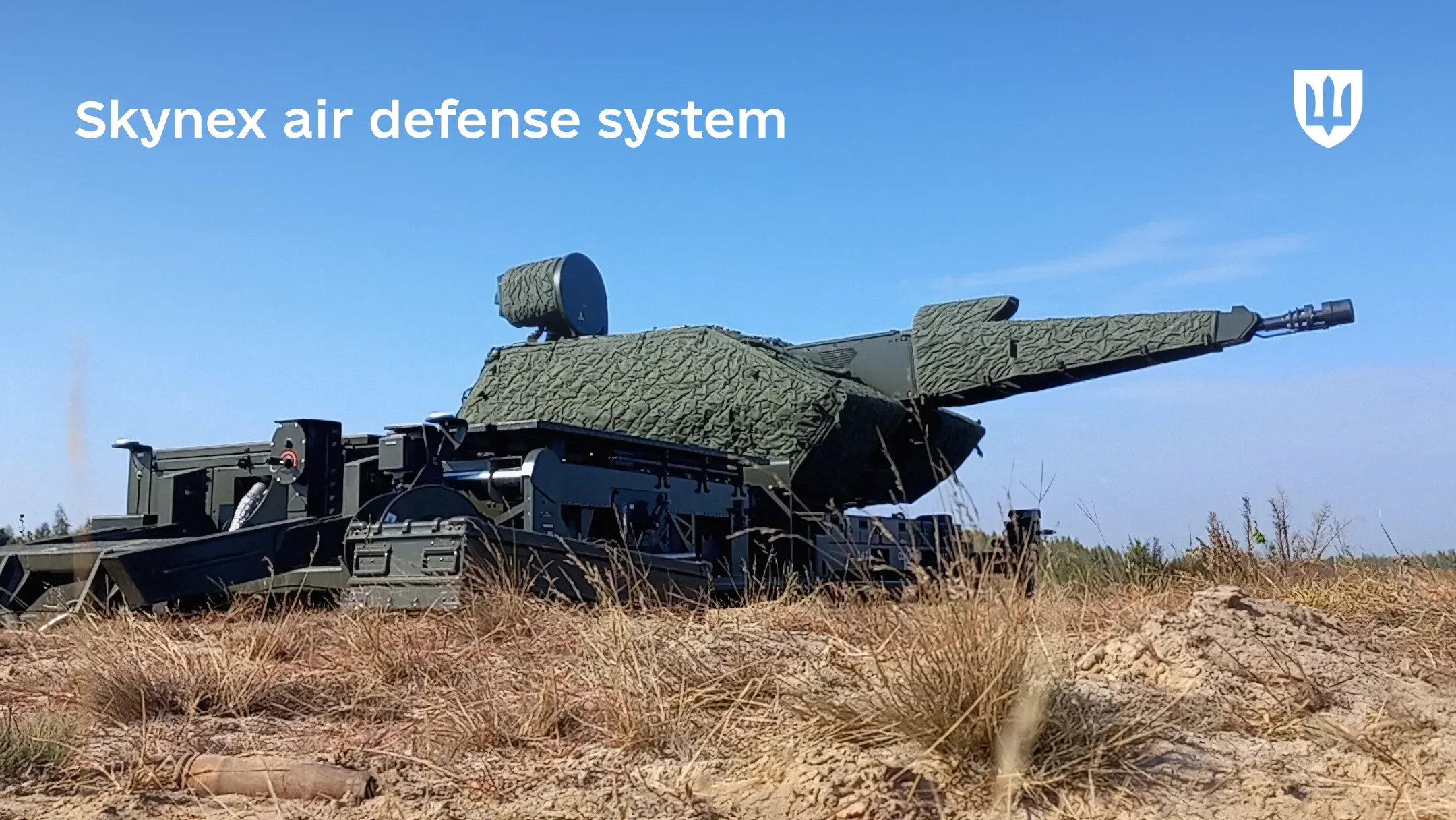
Its key difference from the Gepard is its centralised control architecture, which integrates all guns within the battery into a single network capable of operating autonomously or as part of a broader layered air defence system.
Its programmable AHEAD (Advanced Hit Efficiency And Destruction) ammunition bursts near the target and releases a cloud of tungsten projectiles capable of destroying drones or neutralising cruise missile warheads.
Armoured vehicles: German Leopard tanks and Marder IFVs for Ukraine
Germany has strengthened Ukraine’s armoured capabilities with Leopard tanks and Marder infantry fighting vehicles. This line of support combines the firepower of the Leopard 2A6, the manoeuvrability of the Leopard 1A5, and the versatility of the Marder 1A3 IFV.
Leopard 2A6: a protected and powerful tank
The Leopard 2A6 is considered one of the most protected and powerful main battle tanks in modern service. It is armed with the 120 mm Rheinmetall L/55 gun with an extended barrel, providing increased muzzle velocity and improved armour penetration performance.

Although this version does not feature an active protection system, the Leopard 2A6 is equipped with strong composite armour and a fire-control system with the commander’s thermal imaging sight, enabling hunter-killer operation — the commander independently identifies targets and designates them to the gunner without interrupting battlefield observation. This significantly increases the pace of combat operations.
Leopard 1A5: infantry support and defeating lightly armoured targets
The Leopard 1A5 is a significantly older-generation tank equipped with the 105 mm Royal Ordnance L7 gun.
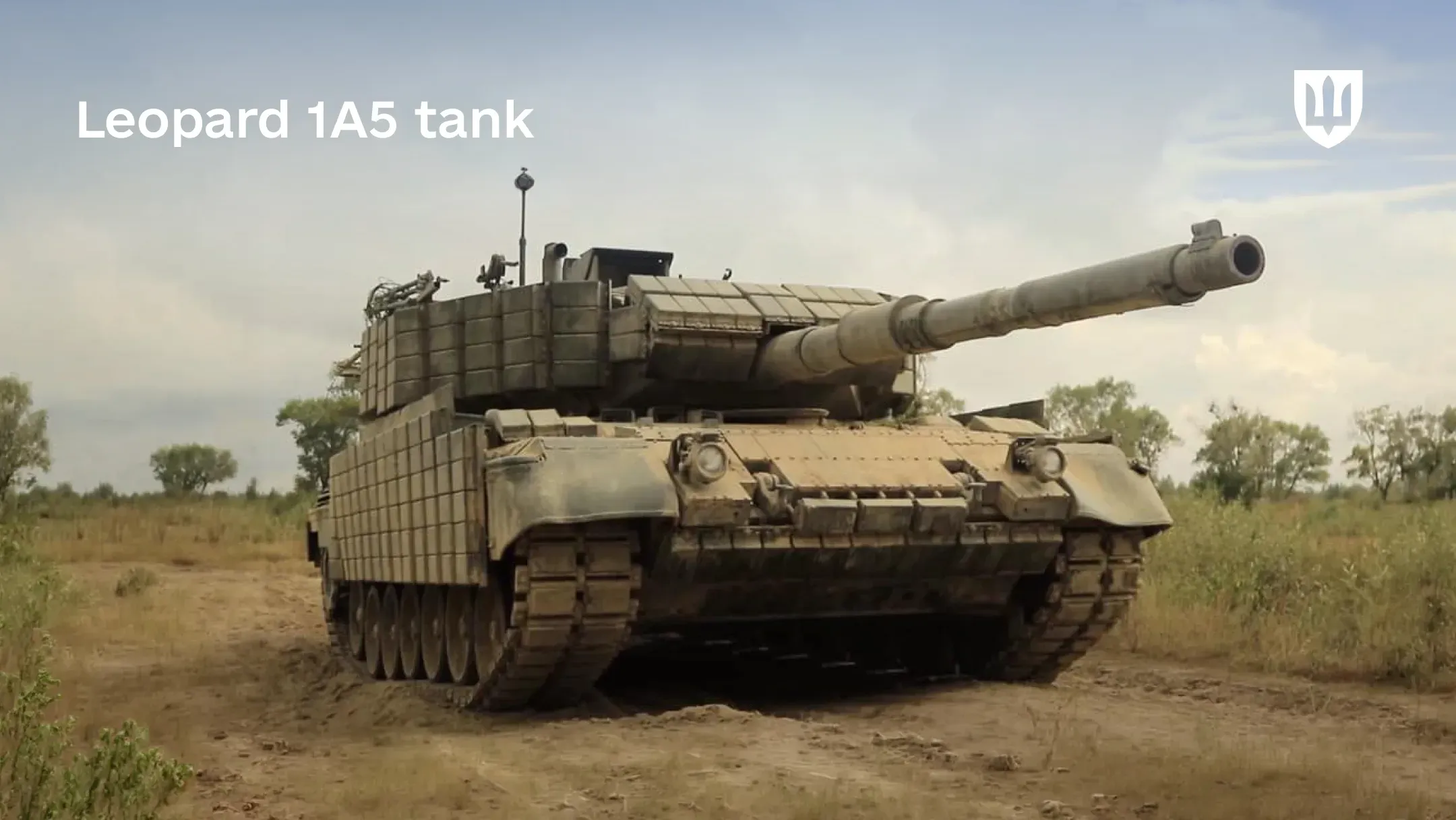
In conditions of positional and defensive warfare, the tank continues to play an important role as a mobile and relatively easy-to-maintain platform capable of providing fire support to infantry and engaging lightly armoured vehicles.
Marder 1A3 infantry fighting vehicle: fire support on the battlefield
The Marder 1A3 infantry fighting vehicle is armed with the 20 mm Rh 202 autocannon and equipped with a night sight, enabling combat operations in low-visibility conditions.
The vehicle can transport a mechanised infantry squad while providing direct fire support during close combat engagements.
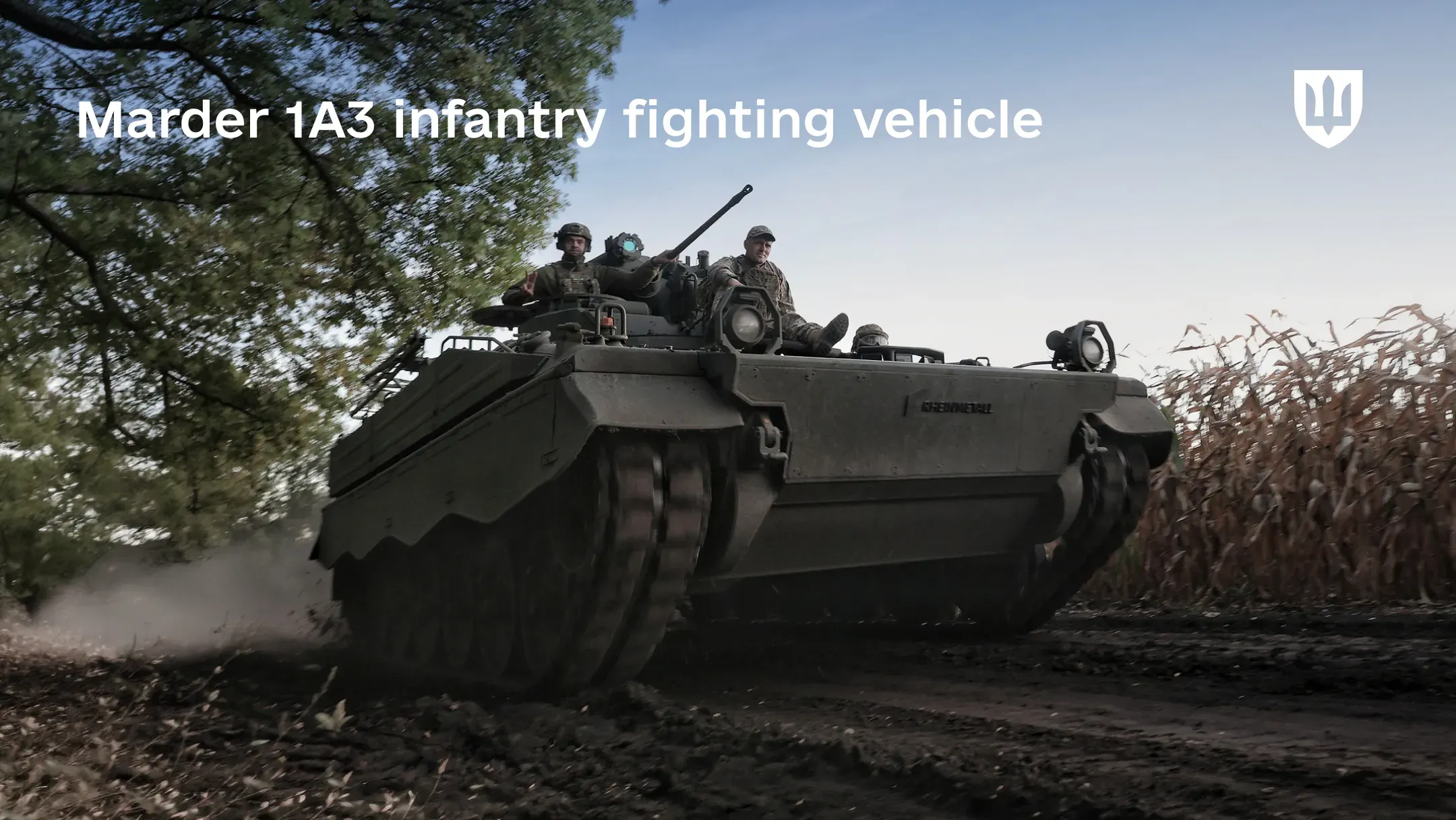
Although the Marder originates from the 1970s generation of IFVs, it continues to meet the needs of the Armed Forces of Ukraine for a reliable and protected vehicle for mechanised units.
The Rh 202 cannon is effective against lightly armoured vehicles, defensive fortifications, low-flying UAVs, and enemy personnel, making the Marder a versatile asset across different sectors of the front line.
Artillery: modern self-propelled howitzers from Germany for Ukraine
Germany has supplied Ukraine with the Panzerhaubitze 2000 and RCH 155 self-propelled howitzers. These modern artillery systems significantly enhance the firepower of the Armed Forces of Ukraine thanks to their long range and high accuracy.
PzH 2000: delivering battery-level firepower
The 155 mm PzH 2000 self-propelled howitzer is one of the most advanced artillery systems in service today.
Its L/52 barrel provides a maximum firing range of up to 67 kilometres with rocket-assisted projectiles and up to 40 kilometres with conventional ammunition. The automated loading system allows the first round to be fired in less than 30 seconds after the vehicle comes to a halt.
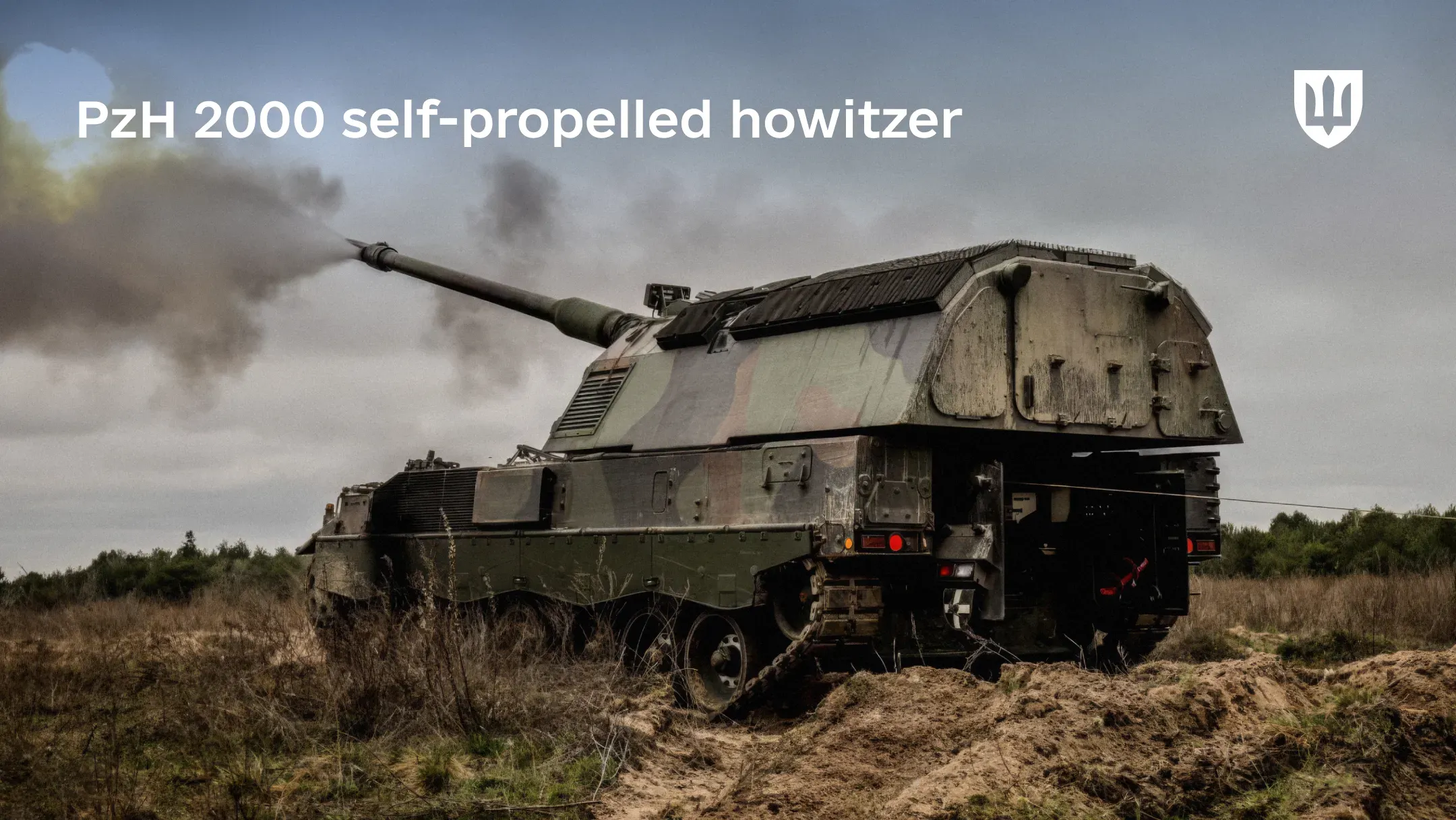
The PzH 2000 is capable of firing multiple rounds along different trajectories so that all of them strike the target simultaneously — a capability known as MRSI (Multiple Round Simultaneous Impact). This allows a single howitzer to achieve an effect comparable to a full artillery battery salvo.
RCH 155: enhanced crew protection
The wheeled RCH 155 self-propelled howitzer represents a major technological leap compared to the PzH 2000. Its HX3 (8×8) wheeled chassis, replacing a tracked platform, provides significantly greater strategic mobility.
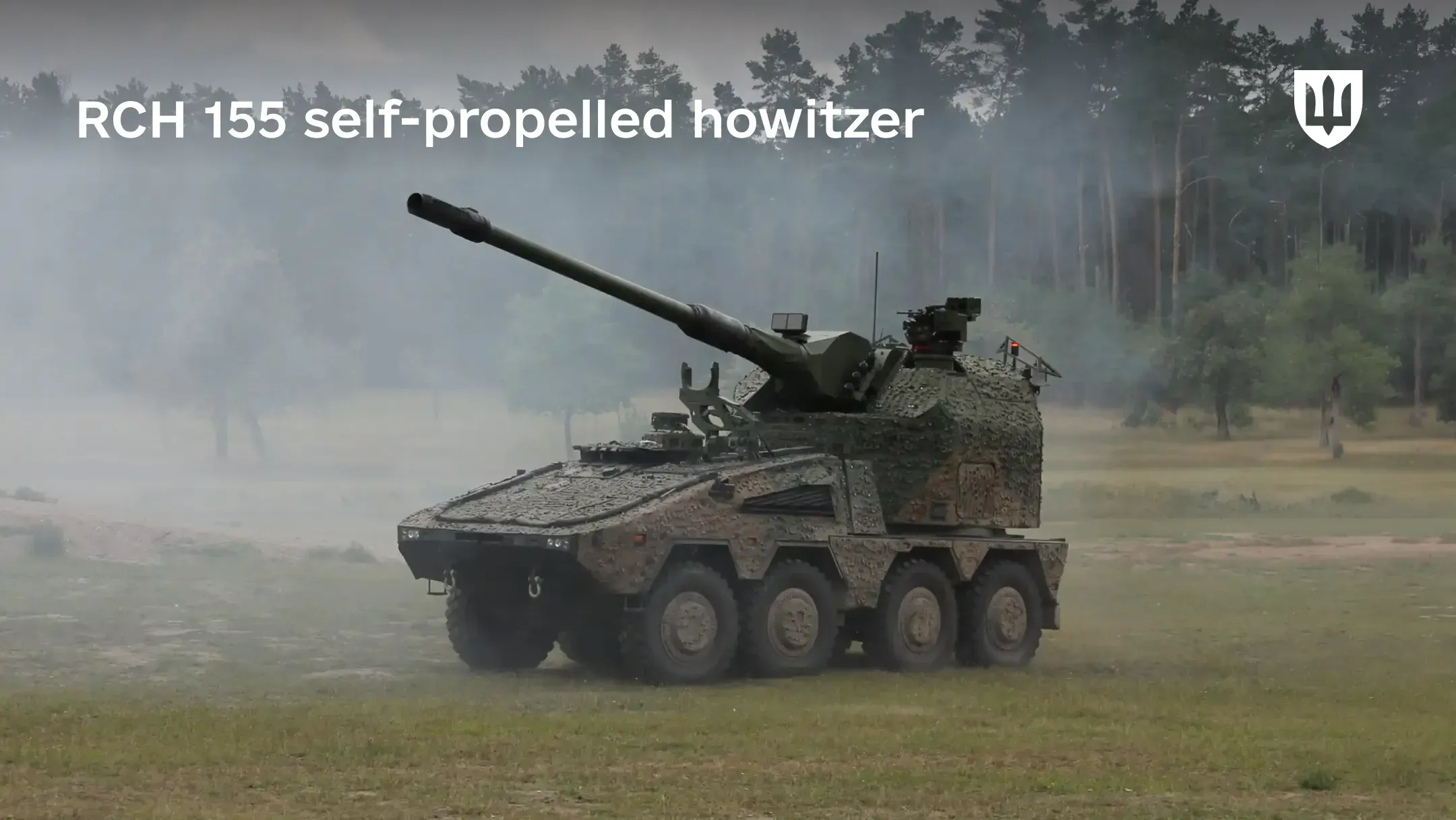
The artillery system features a fully automated unmanned turret equipped with the same 155 mm L/52 gun used on the PzH 2000. Its defining feature is crew protection: the two-person crew remains inside the protected cabin throughout the firing process without leaving the vehicle.
As previously reported, in Kyiv, Minister of Defence of Ukraine Mykhailo Fedorov and Federal Minister of Defence of Germany Boris Pistorius signed a letter of intent to launch Brave Germany, a joint initiative aimed at developing defence technologies and supporting innovative start-ups.
The programme provides for grant support to Ukrainian and German start-ups engaged in critical areas of defence technology.
Boris Pistorius also visited a lower-tier air defence position and an energy facility in Kyiv that had been targeted by russian attacks.
Mykhailo Fedorov and Boris Pistorius also visited frontline regions and several military headquarters close to the front line.