Ukraine calls on parliamentarians from NATO member states to accelerate assistance and invest in Ukrainian defence production
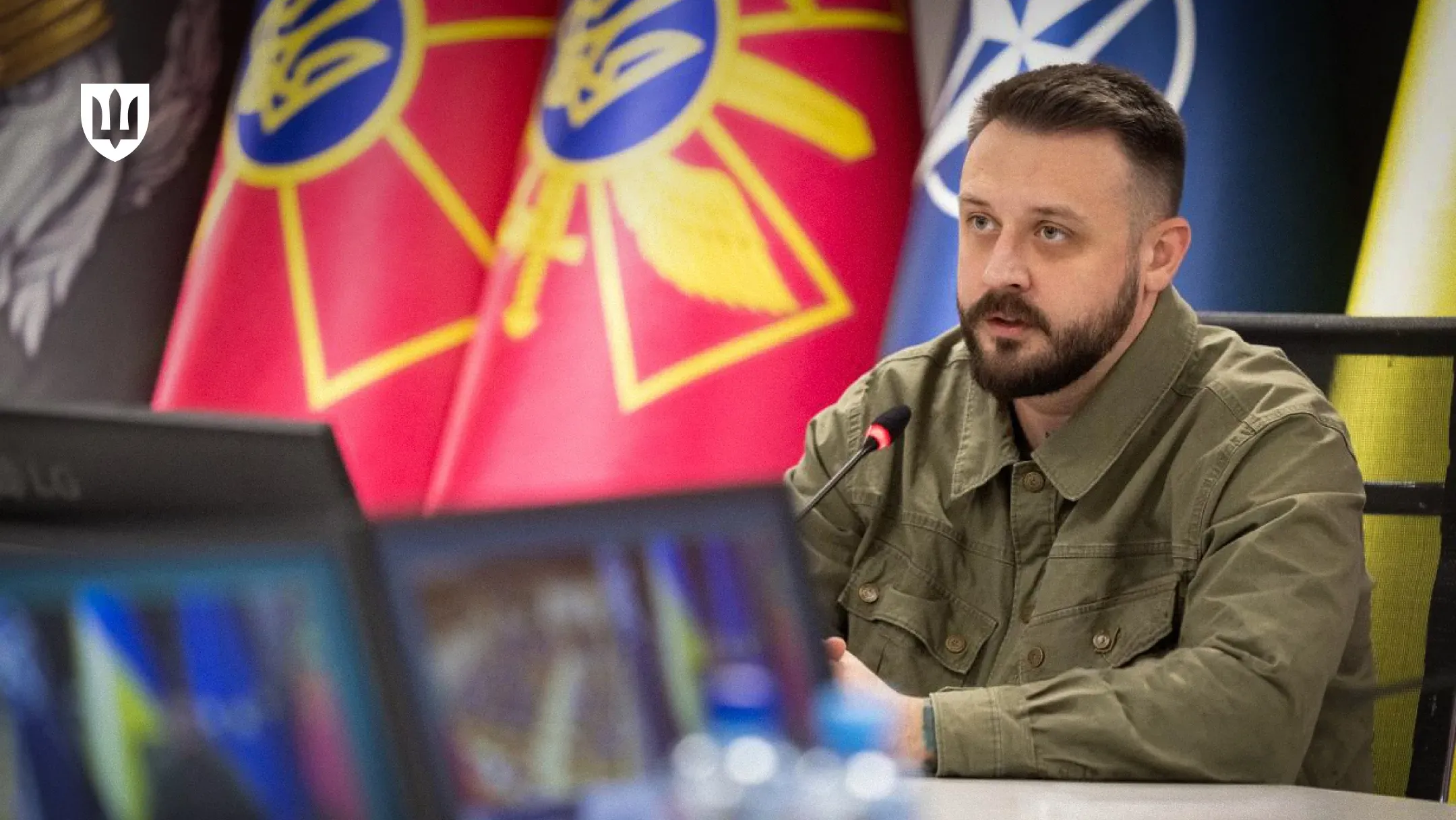
Ukraine calls on NATO member states to accelerate political and military assistance to Ukraine, in particular by strengthening Ukraine’s domestic defence production, ensuring interoperability, and deepening integration with the defence industries of Alliance member states.
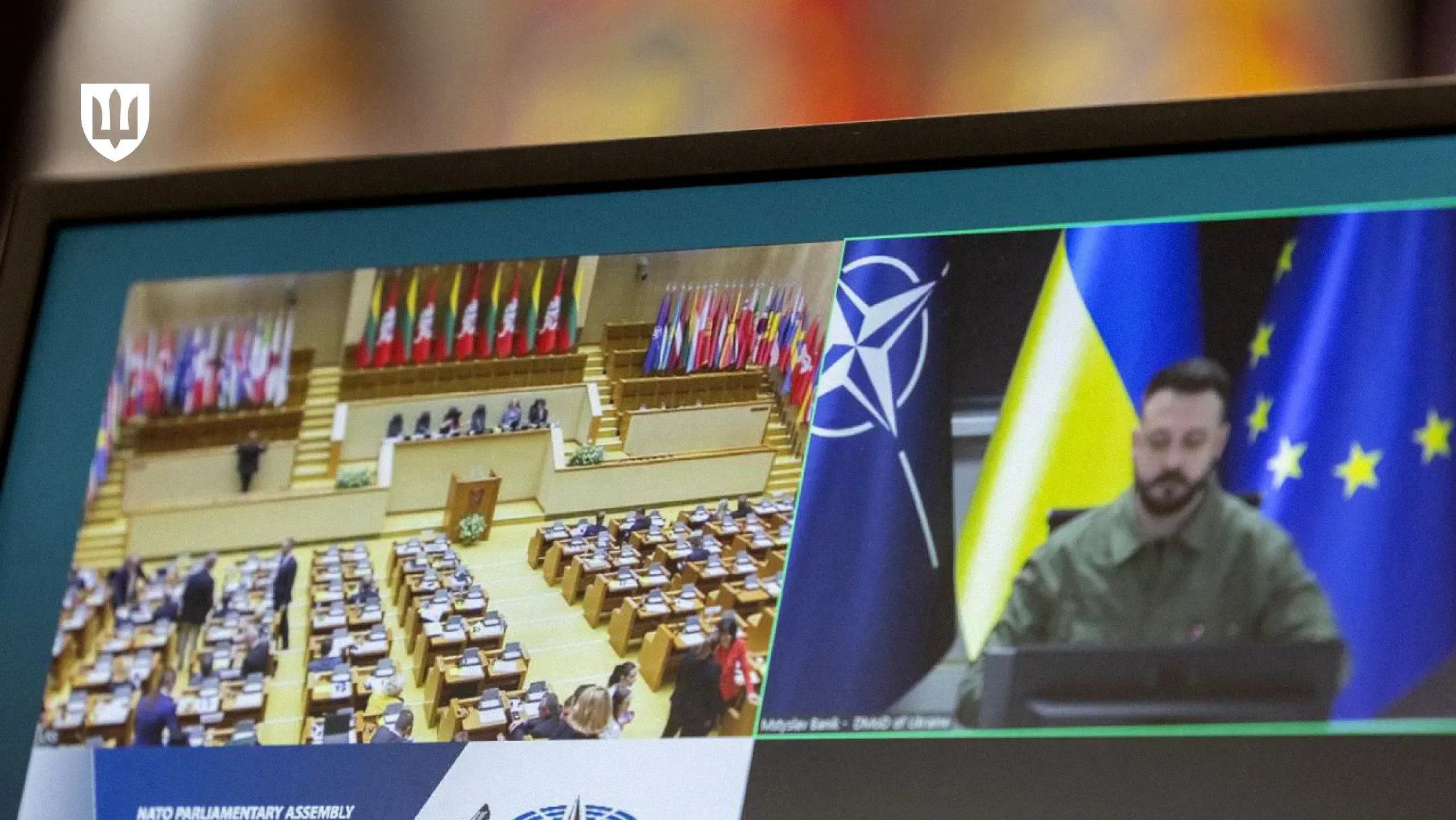
Deputy Minister of Defence of Ukraine Mstyslav Banik stated this during an online speech at the Spring Session of the NATO Parliamentary Assembly, held in Lithuania this year. The event brought together approximately 250 parliamentarians from all NATO member states and partner countries.
Key priorities and urgent needs of the Defence Forces of Ukraine
The Deputy Minister of Defence called on international partners to promptly strengthen support for Ukraine in critical areas, given the intensity of combat operations and the situation on the battlefield.
The key priorities include:
- funding the supply of air defence systems and other critical weapons through the Prioritised Ukraine Requirements List (PURL) mechanism;
- procurement of surface-to-air missiles for Patriot systems;
- procurement of long-range 155 mm artillery ammunition under the ‘Czech Initiative’;
- direct funding for the production of Ukrainian drones and missiles.
For Ukraine, it is essential to procure weapons and military equipment that can be delivered to the frontline as early as this year. Our industry has unique production capabilities and can manufacture up to 20 million drones annually, as well as thousands of missiles for deep-strike and air defence missions.
The Deputy Minister of Defence added that, provided funding is available, the industry could fully leverage these production capacities within a few months.
Technological advantage and the mathematics of war
Mstyslav Banik briefed parliamentarians on the results achieved through the use of Ukrainian innovations on the battlefield. Thanks to middle-strike drones, Ukrainian forces conduct approximately 5,000 strikes per month at ranges exceeding 20 kilometres, working to completely disrupt enemy logistics deep behind the front line.
Ukraine has succeeded in making war significantly more technology-driven and cost-effective. An example of this is the effective use of FPV drones and the introduction of a range of unique digital products that enable reconnaissance, analysis, and calculations in real time.
I speak from personal experience in operating FPV drones and commanding a unit. Today, at the Ministry of Defence, our entire team combines strategic vision with a deep understanding of the battlefield to ensure every decision is closely aligned with our military's most important priorities.
To maintain its technological advantage and push back the enemy, Ukraine requires a sustained increase in funding.
The need for funding to maintain technological advantage
Mstyslav Banik called on partners to provide additional funding alongside the EU loan to reach the target of $60 billion in assistance this year.
The Deputy Minister also expressed appreciation to the NATO Parliamentary Assembly and partner countries for their comprehensive support since the first days of the full-scale invasion and affirmed Ukraine’s readiness to develop long-term, mutually beneficial cooperation.
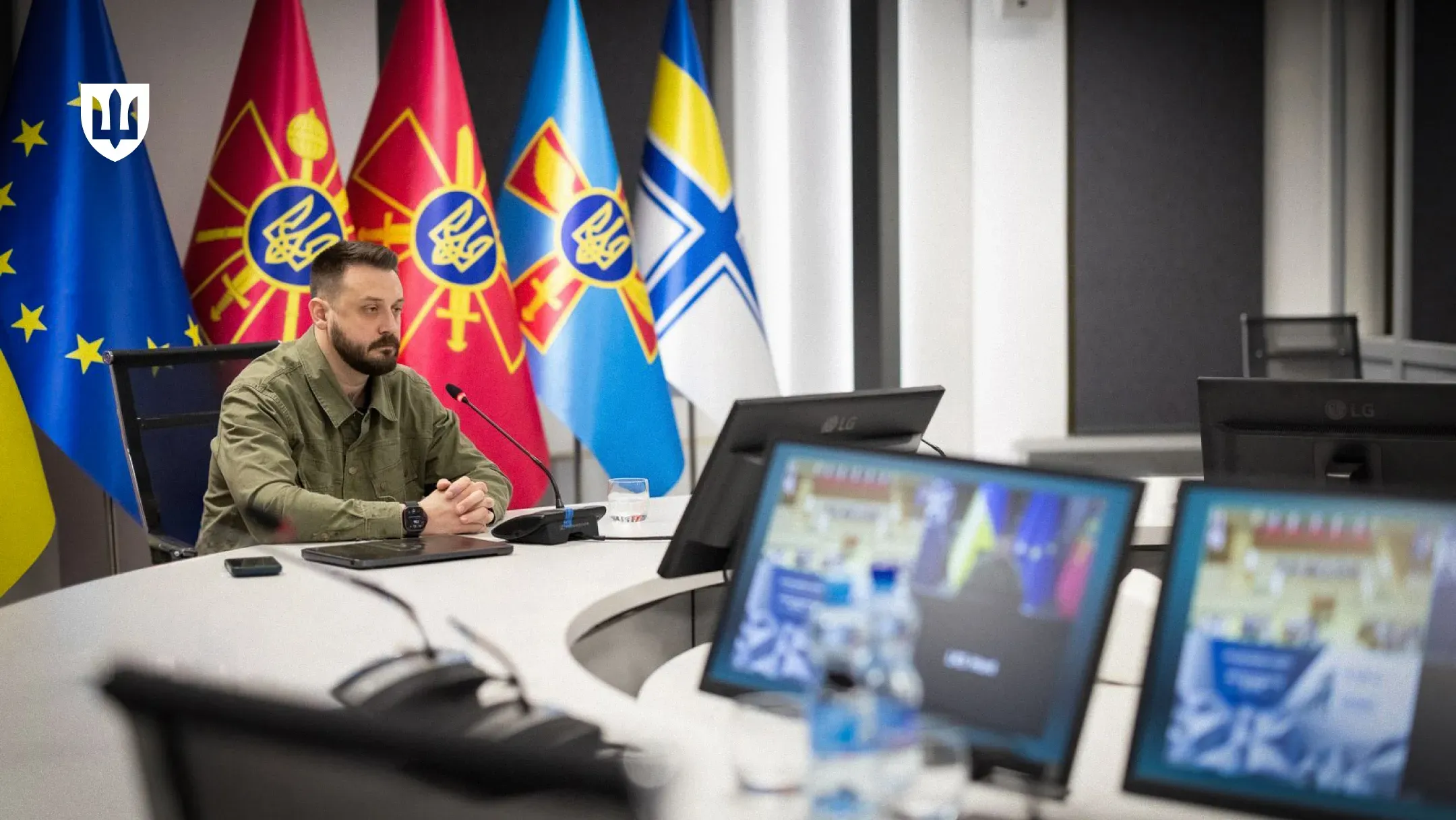
Mstyslav Banik underscored that Ukraine has gained unique experience in modern warfare and is prepared to share that experience with its allies.
We want to develop our relations with NATO members into a mutually beneficial partnership. This year, we are prepared to contribute more to Europe by testing your products on our battlefield, sharing technologies and data, and providing lessons learned that can help strengthen your own armed forces. I am talking about the mathematics of war and, above all, our proven ability to restore and successfully expand defence production during an active full-scale war.
As previously reported, the Ministry of Defence of Ukraine has launched the ‘Logistics Lockdown’ program. The initiative is designed to expand middle strike capabilities and systematically destroy russian logistics, warehouses, equipment, command posts, and supply routes at operational depth.