Barrier-free access during wartime: Ministry of Defence presents inclusive solutions to international partners
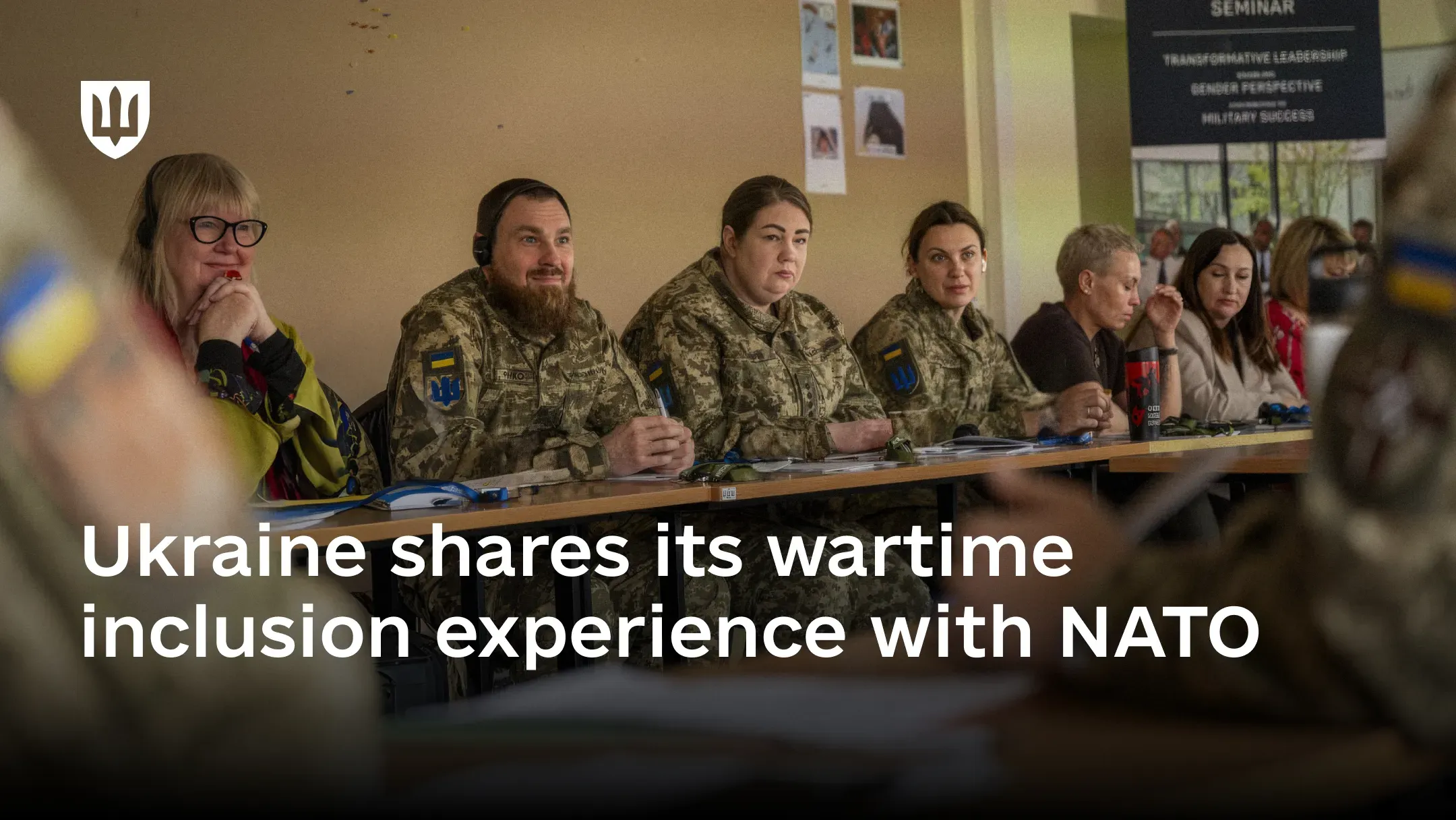
Ukraine’s Ministry of Defence presented partners from NATO member states with advanced solutions in the areas of inclusion and gender equality implemented in the context of the full-scale war.
These include adaptive clothing for wounded male and female service members, body armor for female service members, and other modern equipment solutions developed with gender-sensitive approaches in mind.
Barrier-free policy built on practical solutions
The presentation took place during the Key Leader Seminar in Latvia. The event focused on practical mechanisms for implementing relevant policies in the defense sector. In particular, participants discussed:
- the implementation of adaptive material support systems;
- the development of military clothing and gear tailored to the needs of both women and men;
- institutional mechanisms to ensure equality and non-discrimination within the Armed Forces of Ukraine.
Special attention was given to integrating NATO standards into the humanitarian domain, meeting the Initial Interoperability Requirements within the framework of the Women, Peace and Security agenda, and preventing and responding to conflict-related sexual violence (CRSV).
“For us, it is important not only to implement NATO standards, but also to adapt them to the conditions of war. The Ministry of Defence is already implementing practical inclusion solutions, including the centralized procurement of adaptive clothing for service members undergoing treatment and rehabilitation. Exchanging experience with partners allows us to further strengthen these capabilities,” said Lieutenant Colonel Diana Kopanytsia, Head of the Humanitarian Support Department of the Ministry of Defence of Ukraine.
Implementing mechanisms to ensure an accessible environment
Since 2024–2025, the Ministry of Defence has implemented an updated regulatory framework governing the social and material support of service members. The framework requires consideration of the needs of both women and men, promotes a non-discriminatory approach, and provides for the implementation of gender-sensitive, adaptive solutions to support, rehabilitate, and provide medical, psychological, and social care.
The Key Leader Seminar also included discussions on:
- practical mechanisms for creating an accessible environment;
- improvements to training programs;
- humanitarian aspects of support for service members, from medical treatment to social reintegration.
The Ukrainian delegation received recommendations from partner countries that will contribute to the further development of the social and medical support system.
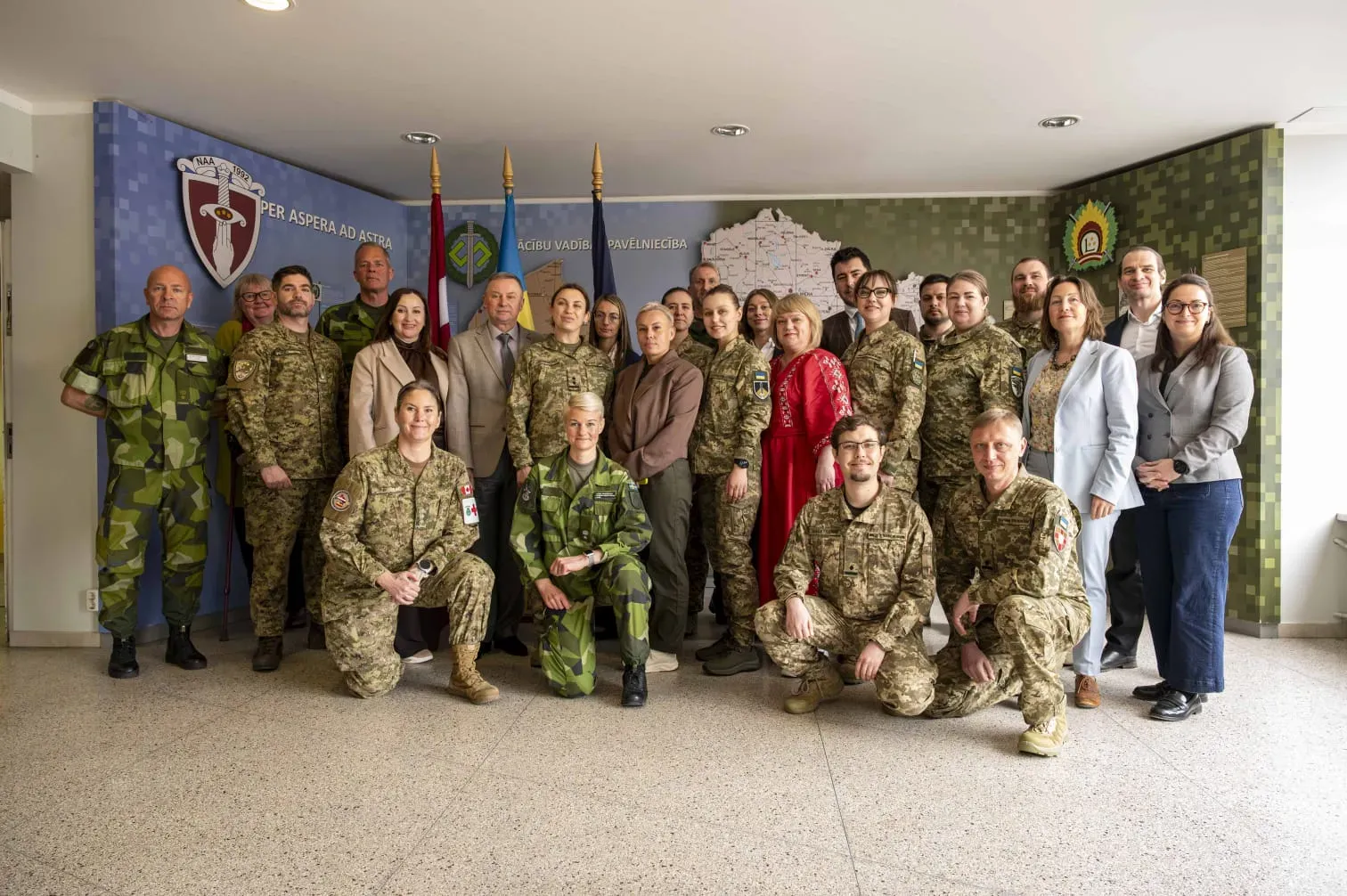
The Key Leader Seminar was organized by the NATO Nordic Centre for Gender in Military Operations, together with Task Force Latvia, the Canadian Armed Forces Forward Command Element in Latvia, and Headquarters Multinational Brigade Latvia, led by the Framework Nation, Canada, which provides command and control for Canadian national contingents deployed in Latvia. The seminar took place at the Latvian National Defence Academy in Riga and brought together representatives of the armed forces of Canada, Sweden, and Latvia.
Additional information is available in the Comprehensive Report of the Ministry of Defence of Ukraine on the Implementation of the National Strategy for Creating a Barrier-Free Environment in Ukraine through 2030, published on the Ministry of Defence website. The website also features the Methodological Recommendations on the Accessibility of Public Services Provided within the Ministry of Defence of Ukraine System, Taking into Account the Needs of People with Limited Mobility, Including Individuals with Different Levels of Communication Abilities.