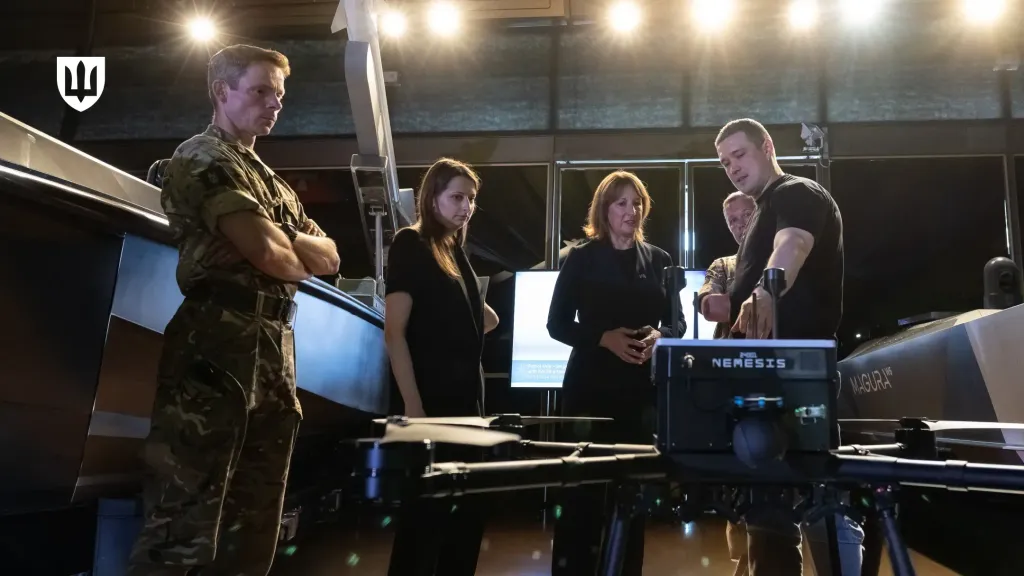
Ukraine and Europe step up cooperation within the CORPUS international coalition of procurement agencies
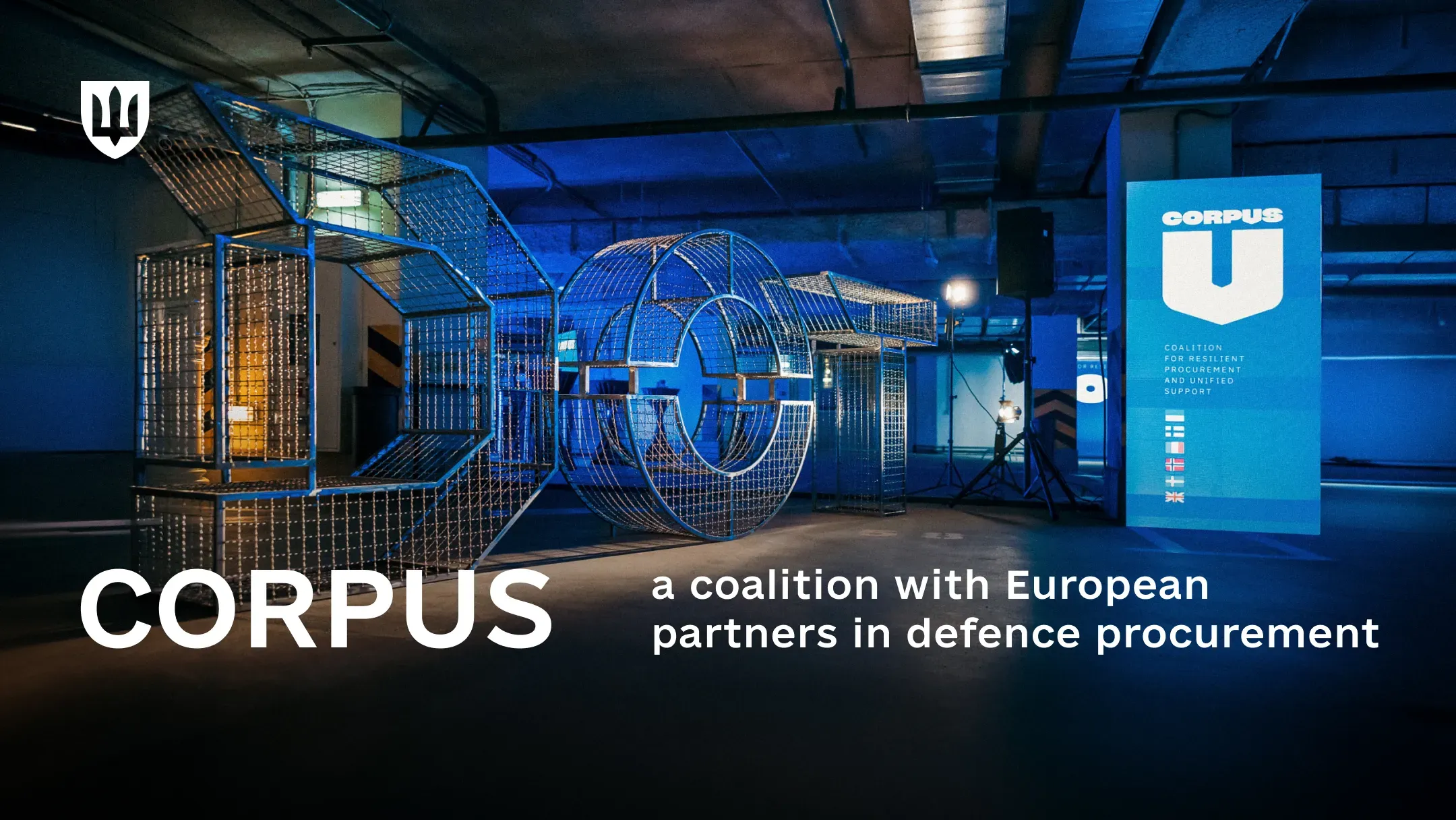
The Defence Procurement Agency DOT of the Ministry of Defence of Ukraine is stepping up cooperation with European partners within the CORPUS coalition, which is to become a permanent platform for strengthening defence capabilities together.
CORPUS (Coalition for Resilient Procurement and Unified Support) is a multinational coalition for defence procurement and supply, set up on the initiative of the Defence Procurement Agency DOT.
Ukraine and its partner countries joined forces in the CORPUS coalition in April 2026. For Ukraine, this is a chance to scale up the experience of supplying the military built up during the full-scale war. For its partners, it is access to practical solutions that already work in real conditions.
Stronger cooperation in three areas
Cooperation on defence procurement within CORPUS is being stepped up in three key areas:
- compliance and supplier vetting;
- digitalisation of supply;
- sustainability of defence procurement.
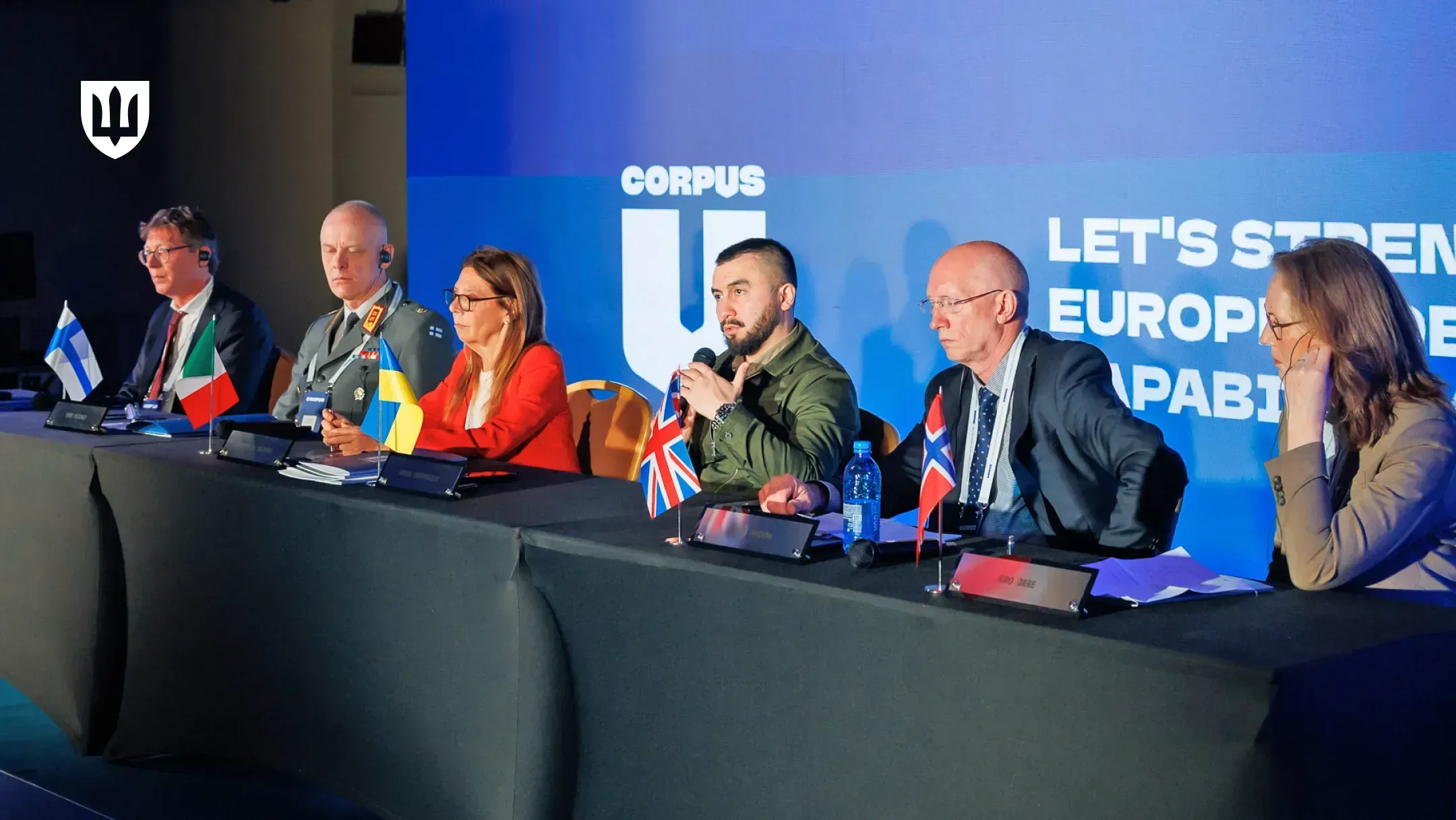
The first multinational working groups have now begun their work. This will be a further step towards aligning how the procurement agencies of Ukraine, Finland, Italy, Norway, Sweden and the United Kingdom operate.
It will also help improve supply processes for the Defence Forces of Ukraine and for those of partner countries.
We have plenty to share with our partners, because procurement in a modern war, fought at high pace, is very different from working in peacetime. At the same time, we have much to learn from our European colleagues. This two-way exchange of experience is what makes CORPUS valuable.
The three working groups, each covering one of these areas, bring together the heads of the relevant departments and market engagement managers. Their task is to draw up a programme in the form of a roadmap that will underpin further legislative, organisational and institutional changes.
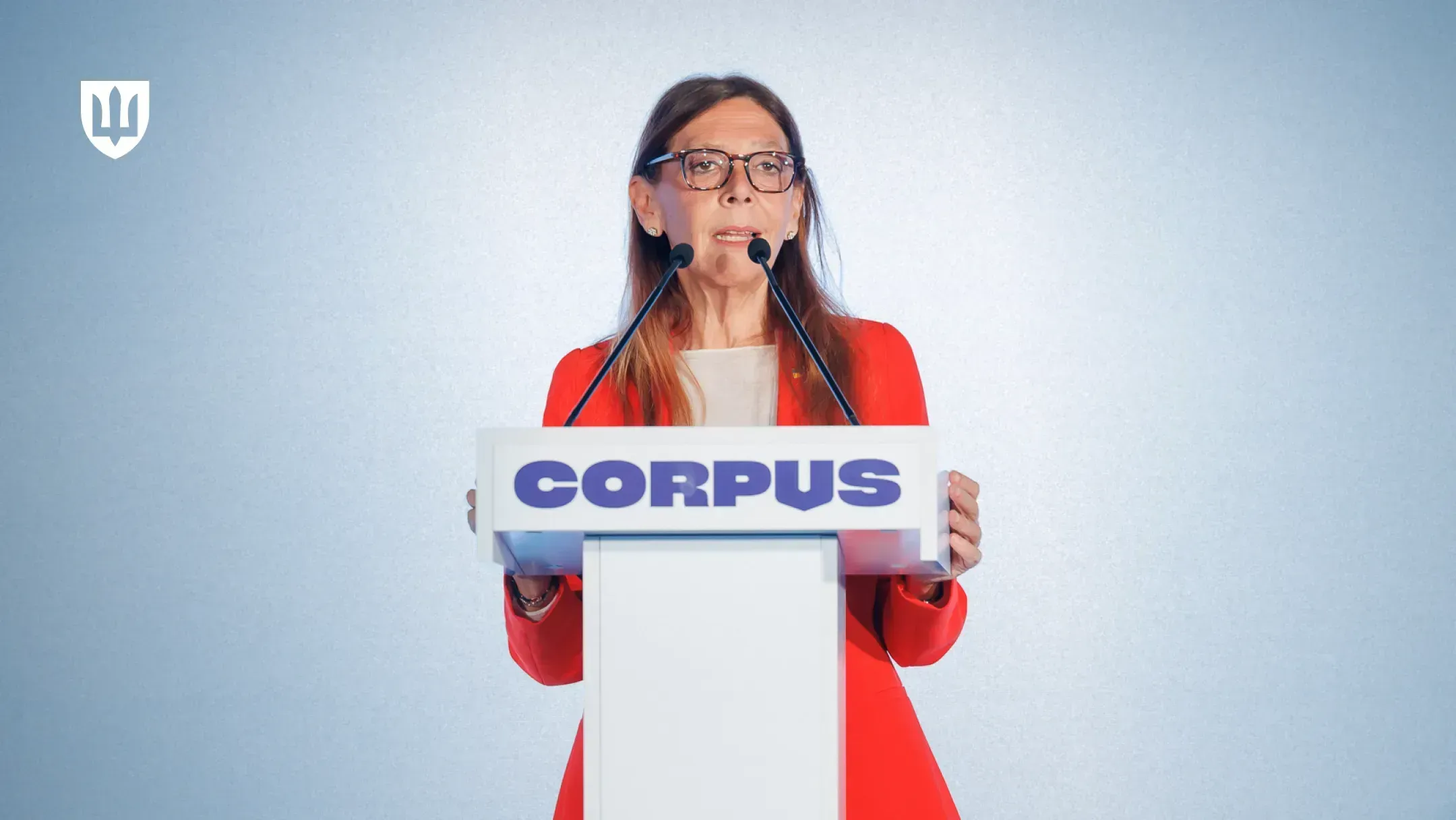
AID actively supports CORPUS. In Italy, effective defence procurement rests on close cooperation with other bodies in the defence sector, which keeps strategic priorities, procurement activity and industrial capabilities aligned. CORPUS extends this approach to cooperation to the European level.
She added that the CORPUS initiative promotes interoperability, builds mutual trust and helps create more resilient defence supply chains, supporting both Ukraine and security in Europe.
Compliance and supplier vetting
Participants focused on risk management and vetting counterparties. The Agency adopted the European practice of keeping records of past dealings with suppliers as early as 2025. Its register of verified suppliers now holds more than 2,200 companies.
This speeds up procurement considerably. CORPUS members have agreed to share due diligence checks on companies on request.
A separate strand of work is building a shared understanding of the balance between openness and accountability on the one hand and protecting information on the other.
Digitalisation of supply
This area focuses on developing digital solutions to improve procurement and supply. Participants discussed how IT systems such as DOT-Chain Food, DOT-Chain Defence and DOT-Chain Arsenal affect the efficiency of supply to the Defence Forces.
Coalition partners are showing considerable interest in the Agency's digital solutions and recognise how effective they are in defence supply.
As Fiammetta Salmoni stressed, digitalisation is one of the key drivers of modern defence procurement, and secure, interoperable digital solutions improve transparency, control and responsiveness at every stage of the procurement cycle.
Within CORPUS, we count on exchanging experience and advancing common digital standards that will strengthen Europe's defence procurement system.
In a modern war, where technology is renewed at extraordinary speed, adapting supply processes to new challenges is critical.
Participants paid particular attention to unmanned systems, where new solutions emerge fastest and where Ukraine has unique expertise gained from using them in the field.
Sustainability of defence procurement
This working group will analyse the approaches behind the Western and Ukrainian procurement models and adopt the best practices of each.
The European approach involves long-term procurement planning, and years can pass between a requirement being drawn up and delivery. At the same time, this leaves plenty of room not only to find the most effective solutions but also to develop entirely new approaches to meeting the requirements of the military.
The Ukrainian approach is geared above all to modern war, where time is central: the priority requirements of the front line are met first.
The group is to analyse the two approaches and identify the procedures that will take the best practices of each to create a genuinely new model of sustainable defence procurement, one that works in peacetime and in war alike.