Ukraine advances efforts to block russia’s shadow fleet, which enables the aggressor to sustain the war
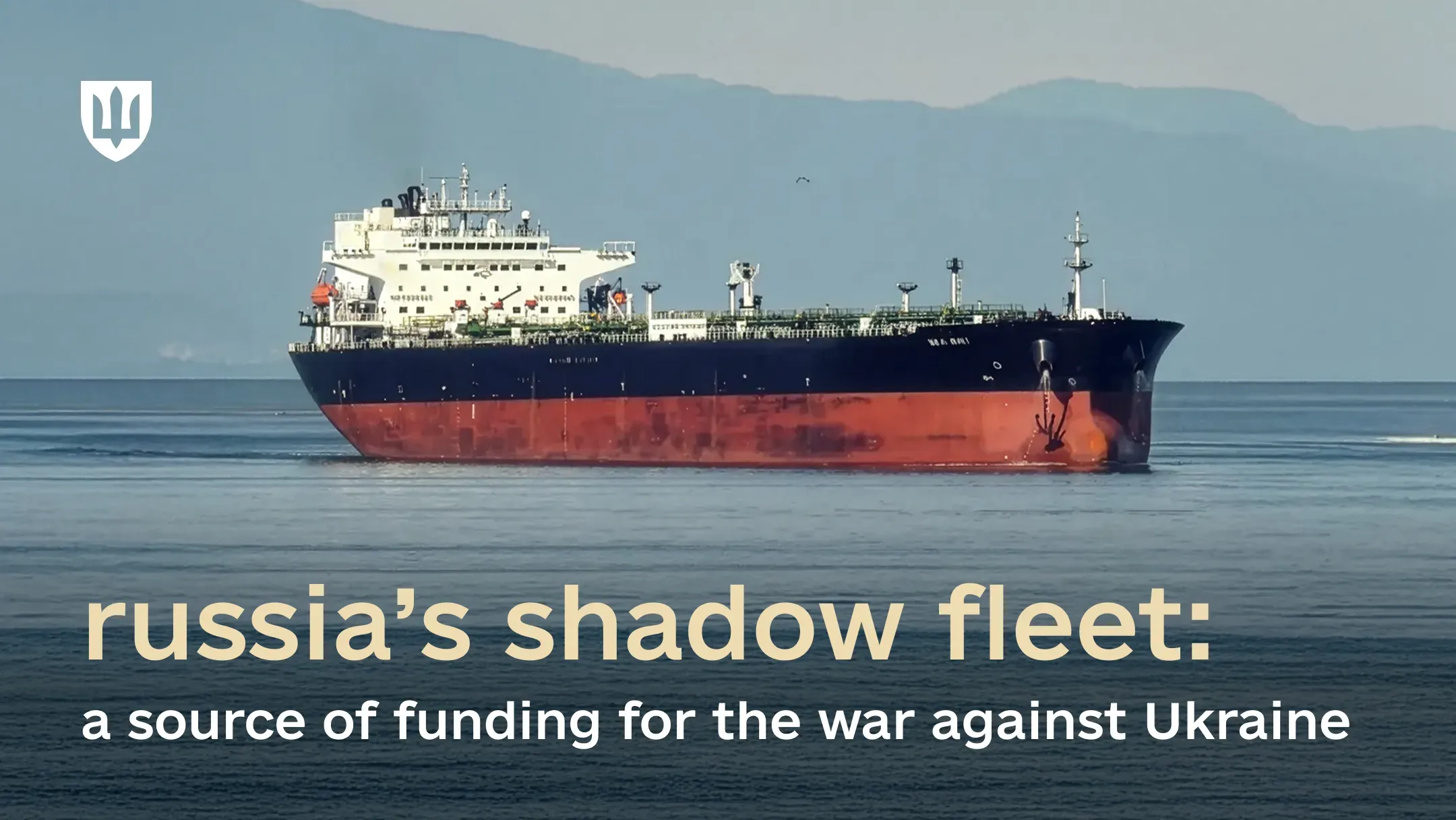
Approximately 1,500 tankers currently make up russia's so-called shadow fleet, enabling the aggressor to sell oil while circumventing sanctions and channel the proceeds into the war against Ukraine.
Blocking this channel is one of the priorities of Ukraine's War Plan.
Over 610 tankers are under sanctions
Ukraine is advancing cooperation with partners on a strategy to counter the shadow fleet, coordinate joint actions at sea, and strengthen sanctions.
In addition, efforts are focused on ensuring that the legislation of European countries allows not only the detention of such vessels but also their blocking and the confiscation of oil.
Over 610 shadow-fleet tankers have already been sanctioned.
The dangers posed by russia’s shadow fleet
According to various estimates, revenue from oil sales through so-called “shadow” mechanisms may constitute up to 35–40% of russia’s federal budget. These funds are used, among other things, to procure microchips for Kalibr missiles, manufacture drones such as Shahed and Geran used by russia to strike Ukraine, and pay contract soldiers.
In addition, each shadow fleet oil tanker poses an environmental threat to countries off whose coasts it operates due to its age and technical condition.
For more details on how russia’s shadow fleet operates and how it enables the financing of the war against Ukraine, see the Ministry of Defence of Ukraine’s explainer.