$7 billion from Norway, new defense technologies, and the destruction of a russian corvette: week in review
International support for Ukraine, the development of its domestic defense industry, and successful operations by the Defence Forces of Ukraine were the key defense developments in the final week of November.
The last week of November brought important decisions to strengthen Ukraine’s defense capabilities. Partners are expanding military aid and cooperation with Ukraine’s defense industry, while new opportunities are emerging to develop domestic technologies.
Read more about the week’s key developments in the ArmyInform article.
International support for Ukraine and defense technology development
Norway plans to provide Ukraine with at least $7 billion in aid in 2027. The priorities include strengthening air defense, developing unmanned systems, supplying interceptor missiles, and expanding joint production. Ukraine and Norway have also agreed to cooperate on implementing the DELTA combat system in the Norwegian Armed Forces.
Another practical result of the partnership is the development of the DESNA air defense system, which combines Ukrainian missiles and launchers with the Norwegian Kongsberg fire-control system. The system is already in use in Ukraine to counter aerial threats.
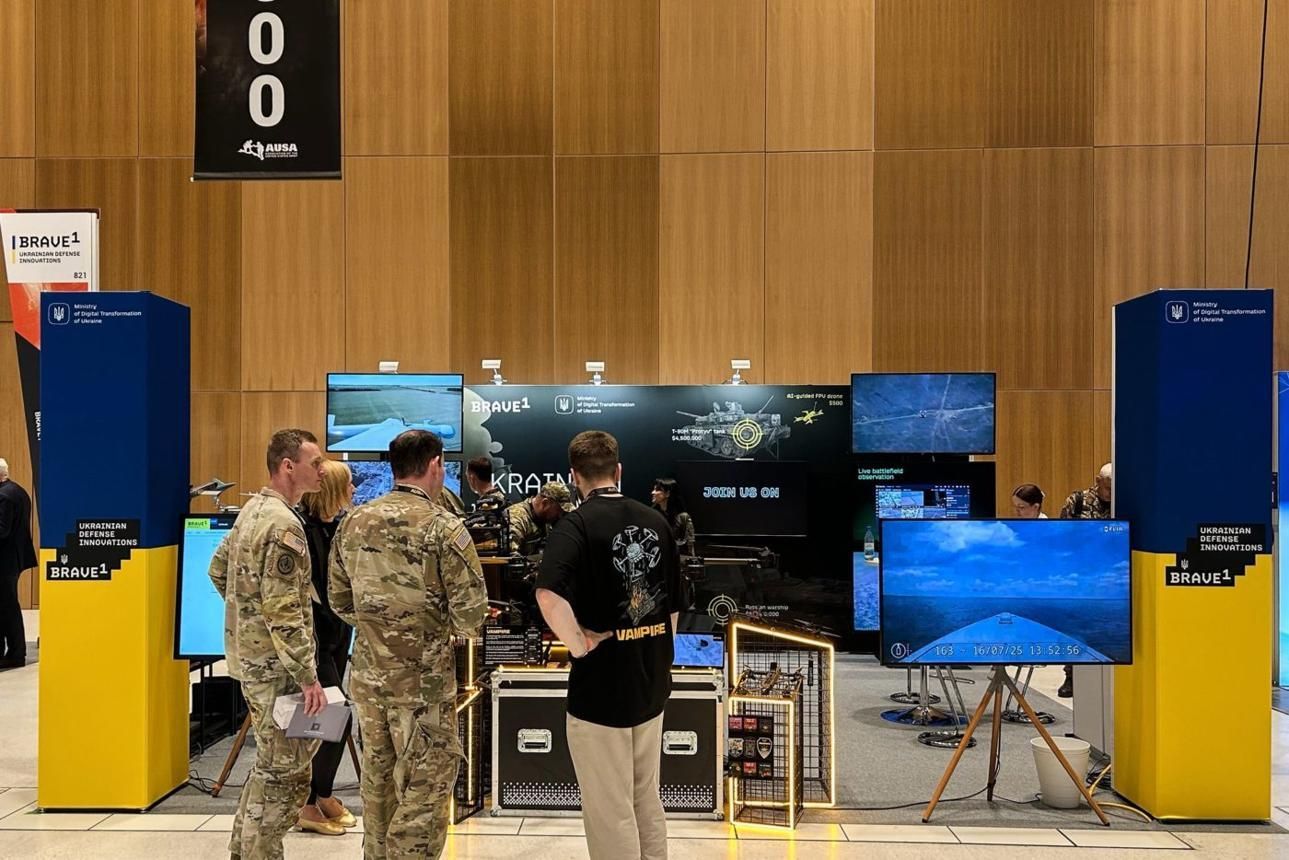
Ukrainian defense technologies were also showcased at the international NATO Edge 26 conference. In particular, the presentations for partners covered the capabilities of Brave1 Market, the UNITE – Brave NATO program, the Test in Ukraine platform, and the DELTA combat system.
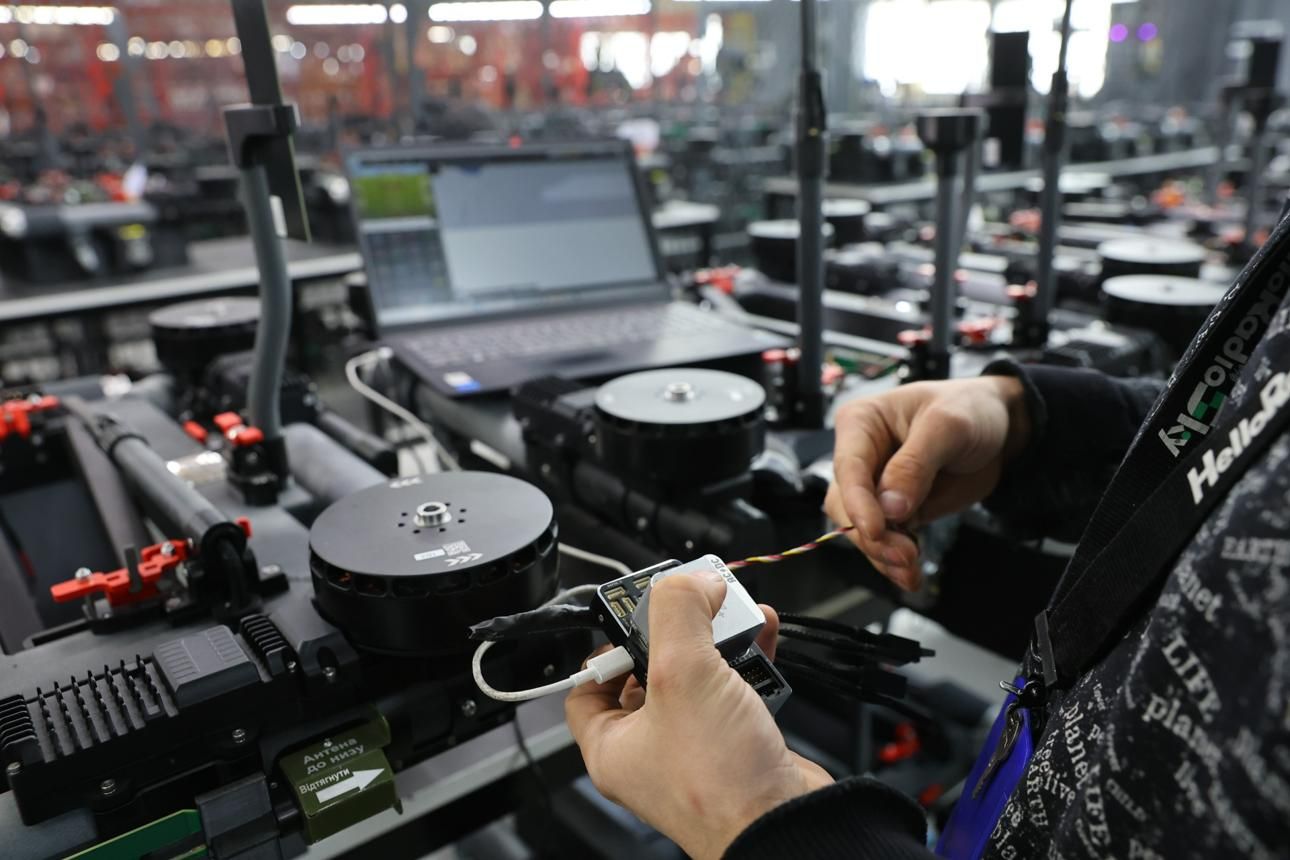
Meanwhile, the Ukrainian government simplified the codification procedures for drones and electronic warfare (EW) systems. This will allow manufacturers to complete the required procedures faster and supply newly developed systems to the military.
Strikes on russian military targets: a corvette, an airfield, and oil refineries
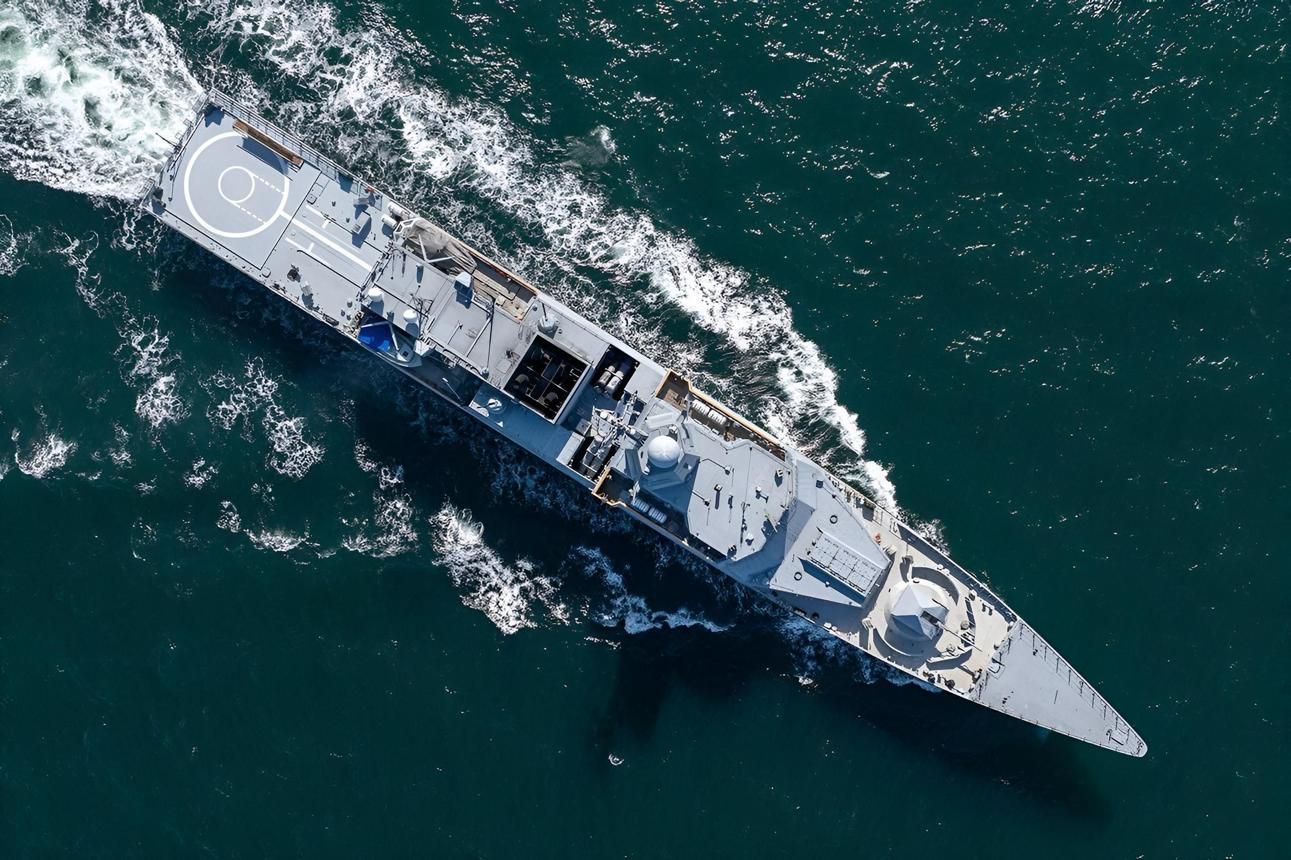
The Defence Forces of Ukraine, together with the Security Service of Ukraine (SSU), conducted a special operation near the Libyan port of Benghazi. The operation destroyed the russian corvette Merkuriy and hit the sanctioned vessel MV ANGARA, which was involved in transporting military cargo.
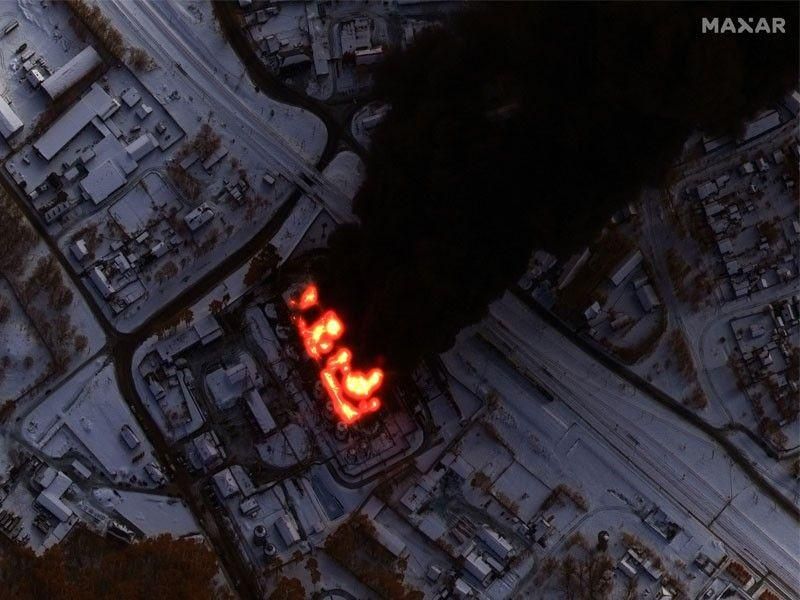
Ukrainian forces also continued systematic strikes on russia’s military, fuel, and energy infrastructure. The targets included the Savasleyka airfield and the Kuibyshev and Syzran oil refineries. It has also been confirmed that the Novoshakhtinsk oil refinery has stopped operating and that storage tanks at oil depots in Azov have been damaged.
New guarantees of medical care and rehabilitation for service members
On November 24, legislative amendments came into force that expand guarantees of medical care, treatment, and rehabilitation for service members, certain categories of veterans, and those released from captivity.
The new rules provide for funding of medical care from the state budget, the possibility of undergoing several rehabilitation courses in line with medical needs, and additional guarantees during recovery.
These decisions strengthen Ukraine’s comprehensive approach to defense, from international support and the development of domestic technologies to safeguarding service members’ health.