How Ukrainian strikes are undermining russia’s fuel system and oil revenues
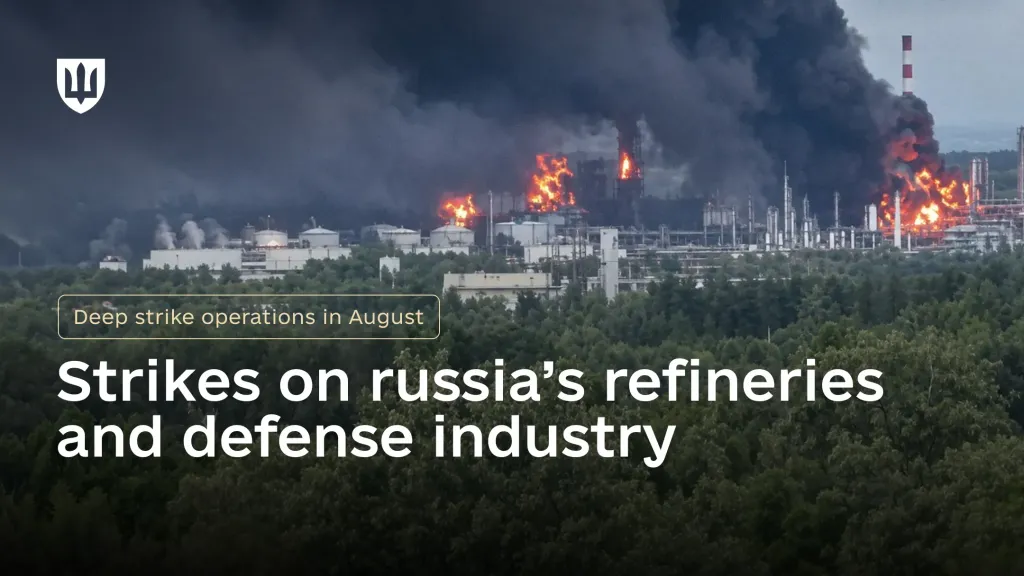
Ukrainian strikes on russia’s oil infrastructure are having an impact that extends far beyond individual fires at oil refineries.
russia is losing refining capacity, facing disruptions in its domestic market, and being forced to protect key routes for exporting energy resources.
In late October and November 2026, Ukraine markedly intensified its long-range strike campaign against russia’s oil infrastructure. Major oil refineries, storage facilities, pumping stations, and export terminals were hit. It is becoming increasingly clear that these are not isolated tactical incidents, but rather sustained pressure on an entire production and logistics chain.
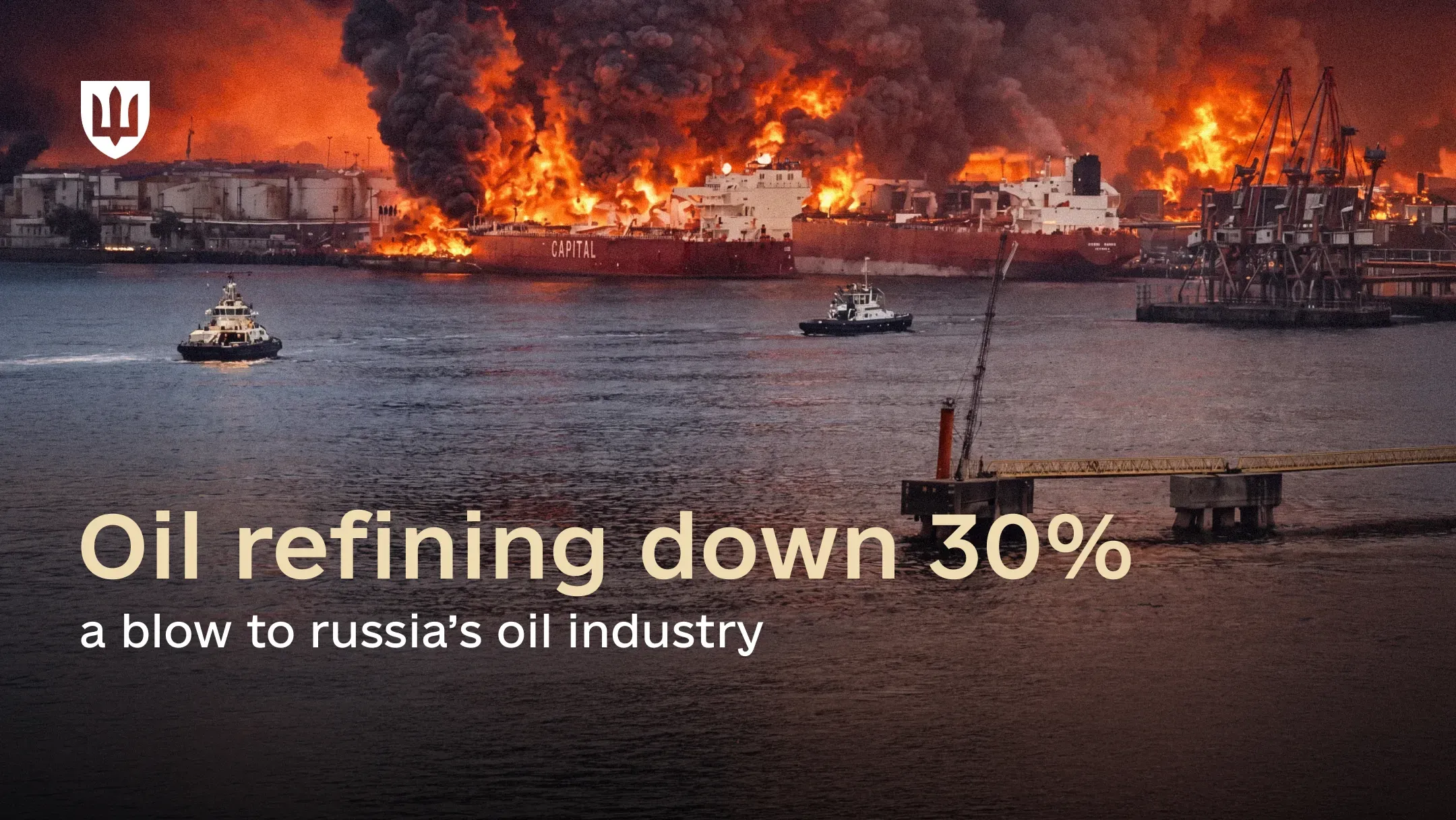
According to a Reuters report dated November 10, Ukrainian attacks disrupted the operations of nine of russia’s 35 largest oil refineries in a single week. Industry sources cited by the publication estimated that actual crude oil processing may have fallen by as much as 200,000 tonnes per day, or approximately 30%.
This is a significant figure for a country whose economy depends heavily on energy exports and whose petroleum products are essential not only for the civilian market but also for military logistics.
From refinery shutdowns to gasoline shortages
The first tangible consequences of the campaign are becoming apparent inside russia itself.
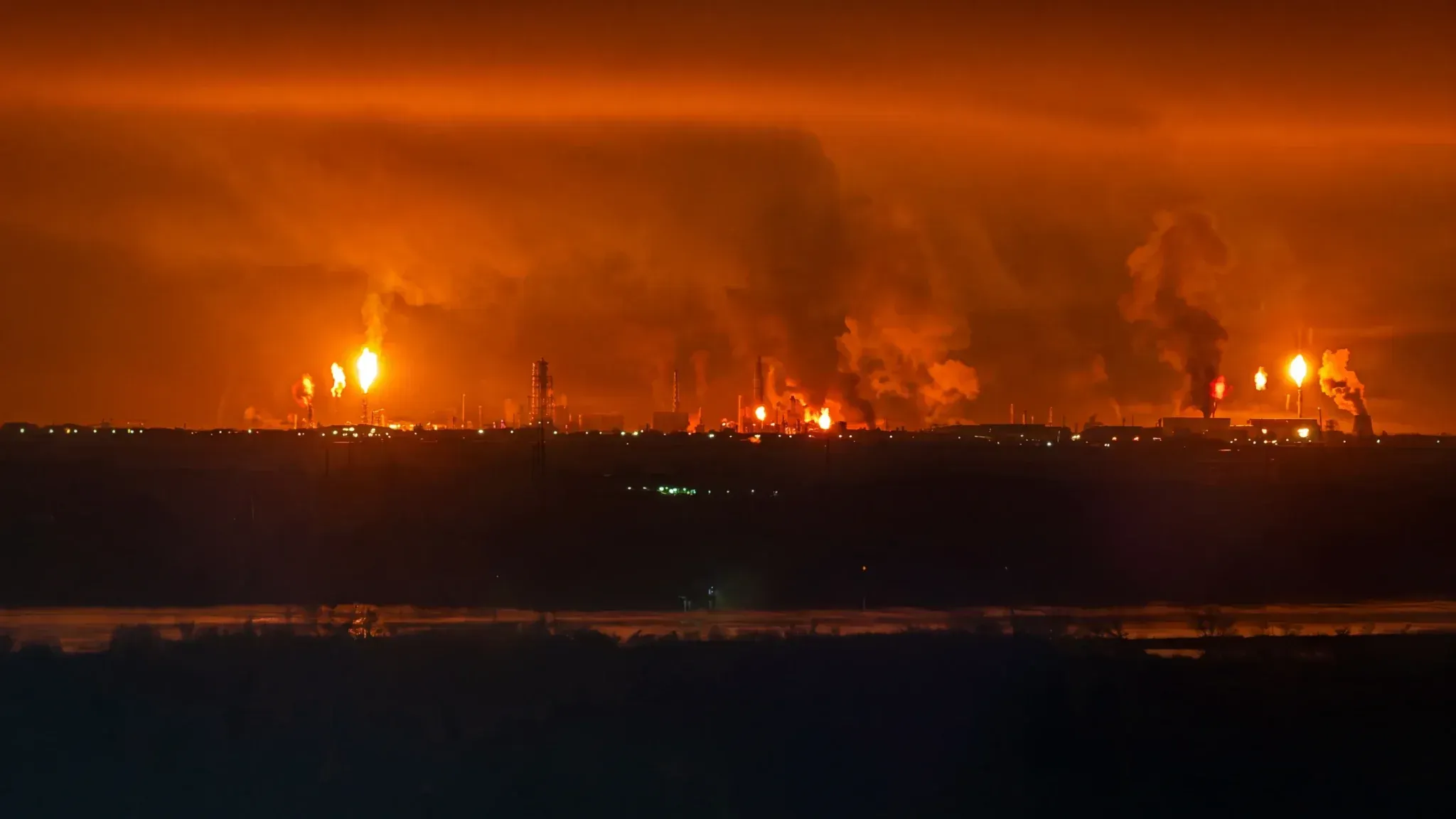
On November 9, reports emerged that restrictions on fuel sales had been reinstated at Rosneft fuel stations. In several regions, customers were allowed to purchase no more than 30 liters of gasoline in cities and 50 liters on highways. Sales of fuel in portable containers were also restricted.
Similar problems were reported in Karelia, Buryatia, Zabaykalsky Krai, Krasnoyarsk Krai, Novosibirsk, Arkhangelsk, and Penza oblasts.
Significantly, the previous restrictions had only begun to be lifted in late October. This means that russia’s fuel market had not had time to fully stabilize before a new wave of attacks once again aggravated the situation.
The problem is that having its own crude oil does not guarantee that russia will have sufficient quantities of finished gasoline or diesel. This requires functioning oil-refining units, storage facilities, transport infrastructure, and stable supply routes.
According to estimates published by the Financial Times on November 10, between 20% and 35% of russia’s oil-refining capacity may have been offline. The publication also reported that russia had begun importing gasoline by sea, including from Türkiye, Morocco, and Egypt.
For one of the world’s largest oil producers, this is a telling symptom: the country is being forced to seek finished fuel abroad in order to sustain its own domestic market.
Why the impact of strikes on russian refineries is accumulating
What matters is not only how many refineries have come under attack, but also which specific process units have been damaged.
An oil refinery is a complex facility in which primary crude oil processing is only the initial stage. Producing market-ready gasoline, diesel, and jet fuel requires secondary processing units, including catalytic cracking, hydrocracking, reforming, and hydrotreating units.
According to the International Energy Agency, minor damage to primary processing units can be repaired within one to two weeks. By contrast, repairs to complex secondary processing equipment can take an average of six to eight months.
This means that even after a fire has been extinguished, a refinery does not necessarily return to its previous production levels. And if several facilities are damaged at the same time, the additional burden falls on the capacity that remains operational.
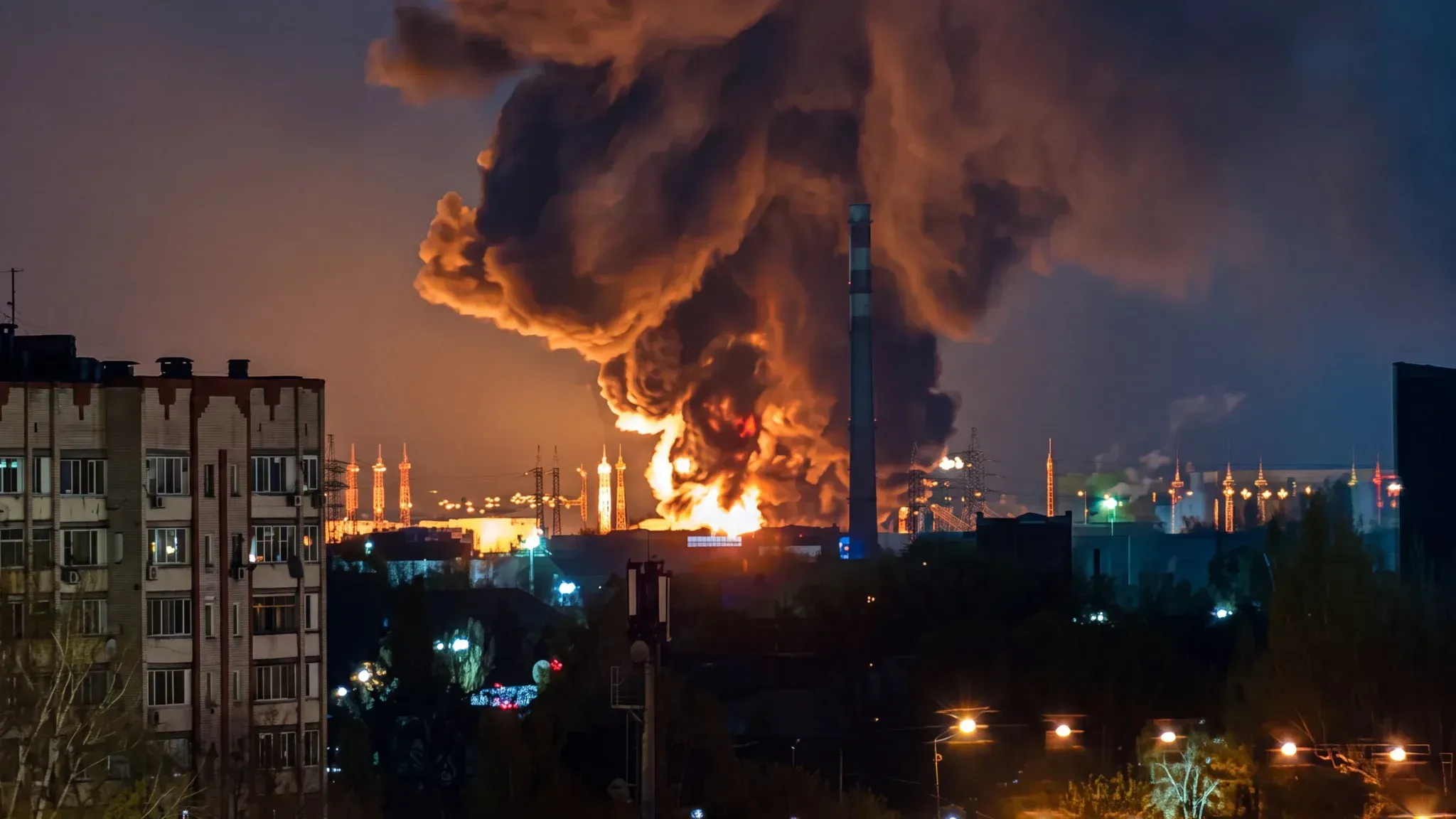
Volgograd is another example of this pressure. During the night of November 13, fires broke out in the city’s southern industrial zone following a drone attack. One of russia’s largest oil refineries, LUKOIL-Volgogradneftepererabotka, is located there. It has an annual capacity of approximately 14 million tonnes of oil, or around 5% of russia’s total oil-refining capacity.
At the time of publication, however, Reuters had no official confirmation that the refinery itself had been hit in this particular attack. It is therefore important to keep this point separate from the confirmed facts of the attack and the fires in the industrial zone.
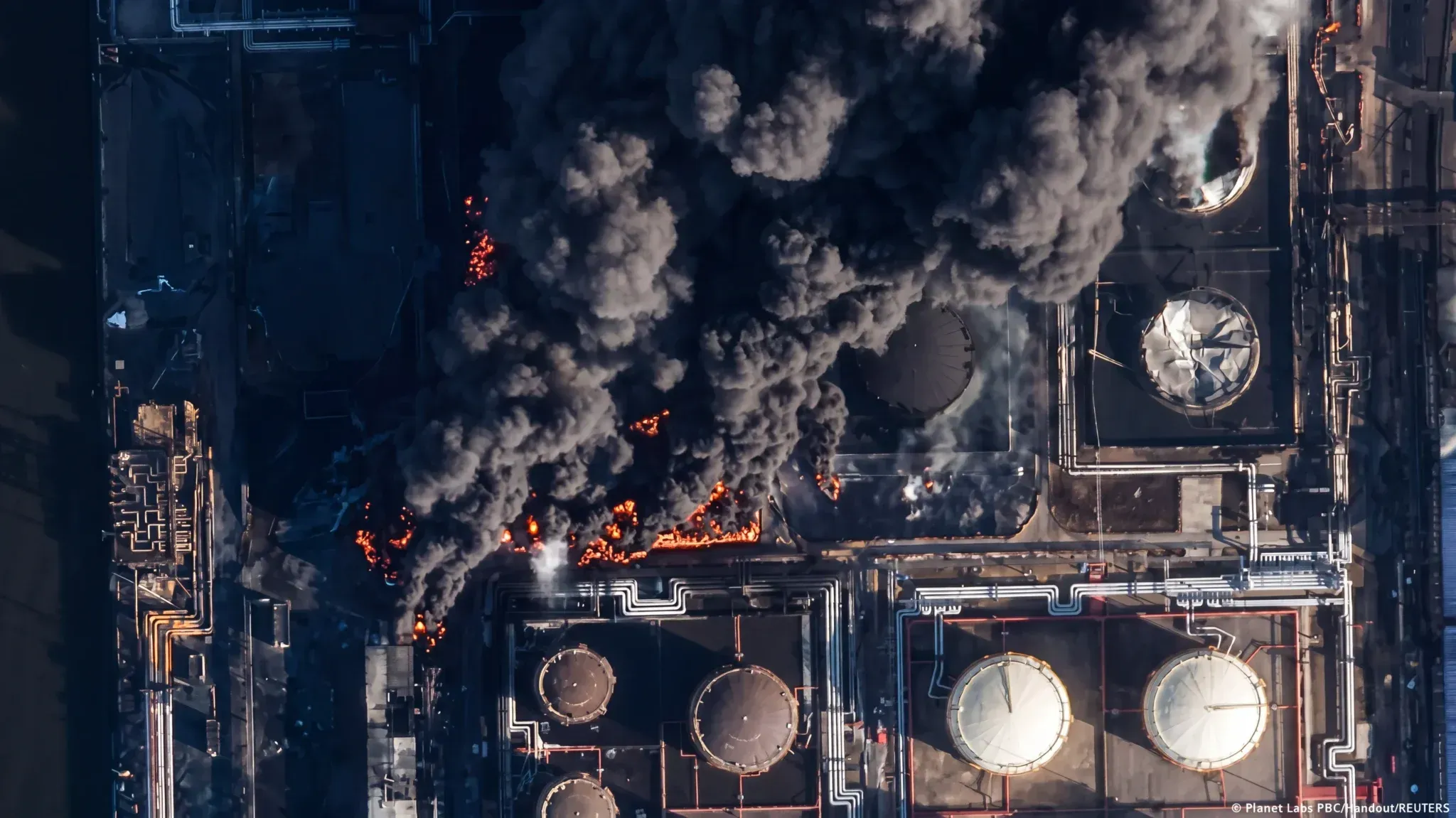
Strikes targeting oil revenues, not only production
Another important focus of Ukraine’s campaign is the infrastructure russia uses to sell energy resources abroad.
During the night of November 11, the Defence Forces of Ukraine struck the port of Ust-Luga in Leningrad Oblast. According to preliminary information from the General Staff of the Armed Forces of Ukraine, five petroleum product storage tanks with a combined capacity of 150,000 cubic meters were damaged, along with a hydrocracking unit, a pumping station, and a berth used for loading tankers.
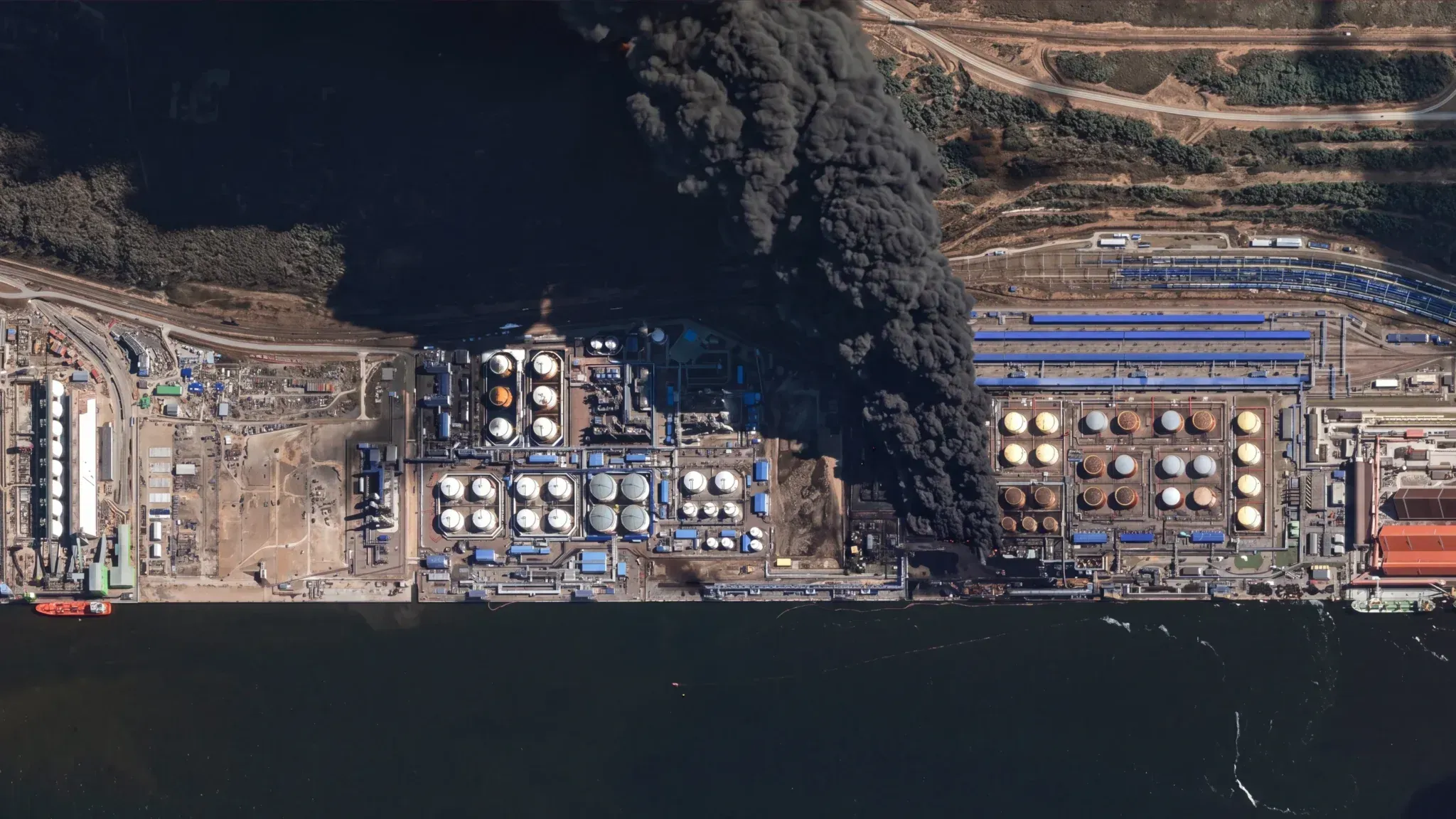
The Security Service of Ukraine also reported strikes against infrastructure belonging to several enterprises and the Luzhskaya railway station.
Ust-Luga’s strategic importance lies in the fact that it is more than just a port for shipping cargo. Storage, processing, and transshipment of energy resources are all integrated there. According to estimates cited by The New Voice of Ukraine, based on oil market data, approximately 1.15 million barrels of oil and petroleum products per day passed through the port in 2025, or around 20% of russia’s seaborne oil exports.
Together with Primorsk and Novorossiysk, Ust-Luga forms the backbone of russia’s maritime export infrastructure.
That is why damage to storage tanks is only part of the problem. If the operation of pumping equipment, railway connections, or loading berths is disrupted, it becomes more difficult for russia to deliver products to tankers and fulfill planned export shipments. At the same time, the actual volume of petroleum products lost and the duration of disruptions to the terminal’s operations require separate confirmation.
A systemic effect rather than an isolated incident
russia has reserves, alternative oil refineries, pipelines, and the ability to redistribute production between regions. It would therefore be inaccurate to claim that the strikes automatically halt fuel supplies to the russian military or deprive the kremlin of its oil revenues.
However, each time a major facility is damaged, the burden on the rest of the system grows. Additional supply routes, equipment repairs, imports of finished fuel, and the restructuring of export logistics all require time and money.
This is the main effect of Ukraine’s campaign: simultaneous pressure on production, domestic supply, and exports. An individual refinery may be restored, and a certain volume of products may be redirected, but the cumulative impact of such problems is much harder to offset.
Gasoline purchase limits at russian fuel stations, declining oil refining volumes, and damage to export infrastructure are different manifestations of the same problem. Ukraine is steadily increasing the costs russia must bear to sustain its oil industry, which is essential to financing both its economy and its war.
Most importantly, the consequences of these strikes do not necessarily end when the fires are extinguished. Some of their effects may continue to accumulate for months.