Over 13,300 cases of russia’s use of chemical agents on the battlefield have been officially documented
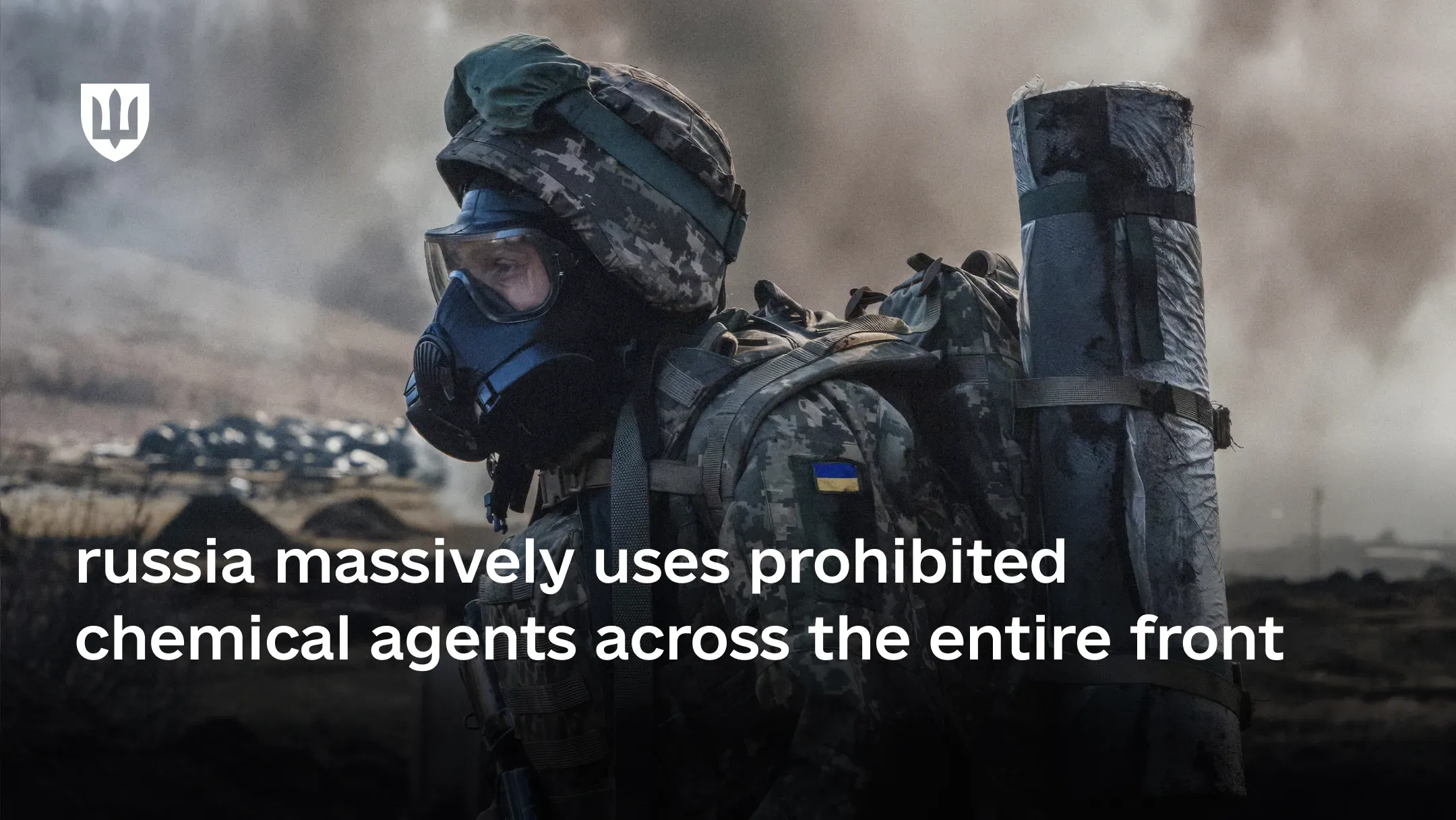
The use of prohibited chemical warfare agents has become a systematic battlefield tactic employed by the russian army. Since the start of the full-scale invasion, more than 13,300 cases involving the use of chemical munitions by the enemy have been officially documented.
This was stated in Chisinau during a meeting of the Ukraine Technical Assistance Information Exchange Group under the G7-led Global Partnership Against the Spread of Weapons and Materials of Mass Destruction by Colonel Valerii Veber, Deputy Head of the Main Directorate for Mine Action, Civil Protection and Environmental Safety.
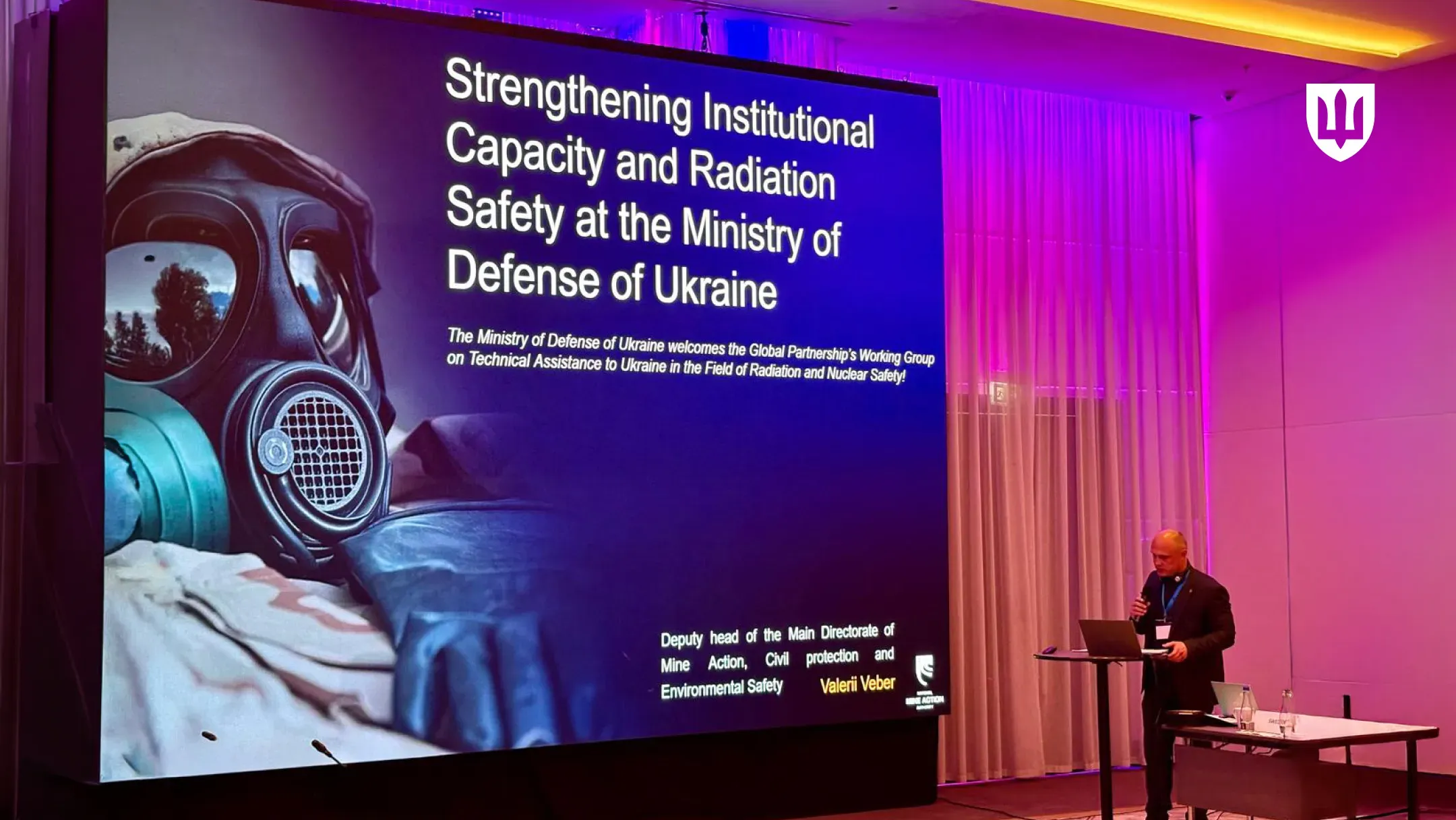
Sharp increase in the intensity of russia’s chemical attacks
The Ukrainian delegation presented international partners with an overview of the dynamics of russia’s use of chemical agents. According to the Ministry of Defence, while such use in 2023 remained mostly episodic, the intensity of such attacks increased sharply beginning in 2024. As of the first half of 2026, the enemy’s overall use of chemical munitions remains consistently high across the entire line of contact.
The main purpose of the meeting of the Ukraine Technical Assistance Information Exchange Group, initiated by the Department of Energy Security and Zero Emissions of the Swedish Radiation Safety Authority and the Swedish Defence Research Agency, was to attract additional resources from donor countries.
Ukraine calls for stronger partner support in CBRN security
Given the ongoing threats posed by the russian federation, Ukraine called on partners to strengthen support in CBRN (chemical, biological, radiological, and nuclear) security. In particular, Colonel Valerii Veber presented important project proposals to international partners:
- Strengthening capabilities in radiation monitoring and response to radiation threats.
- Safe handling of spent sources of ionizing radiation.
- Enhancing environmental safety standards at Ministry of Defence military sites and facilities.
G7 countries are currently reviewing the proposed projects to provide additional funding and technical assistance to the Defence Forces of Ukraine.