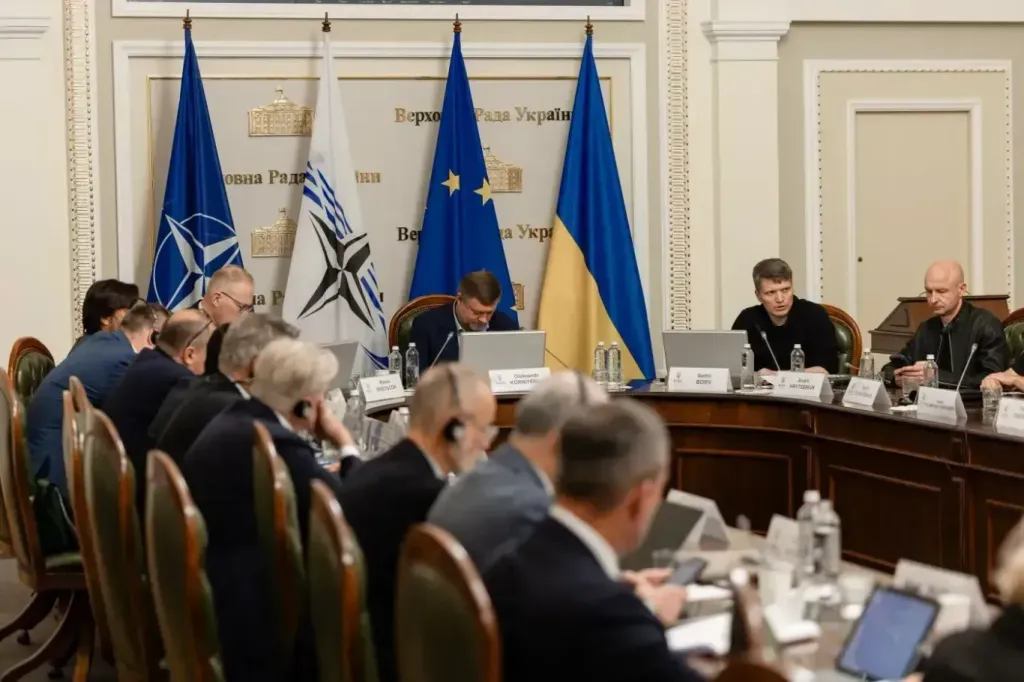
Ukraine’s Ministry of Defence works to implement the NATO Status of Forces Agreement
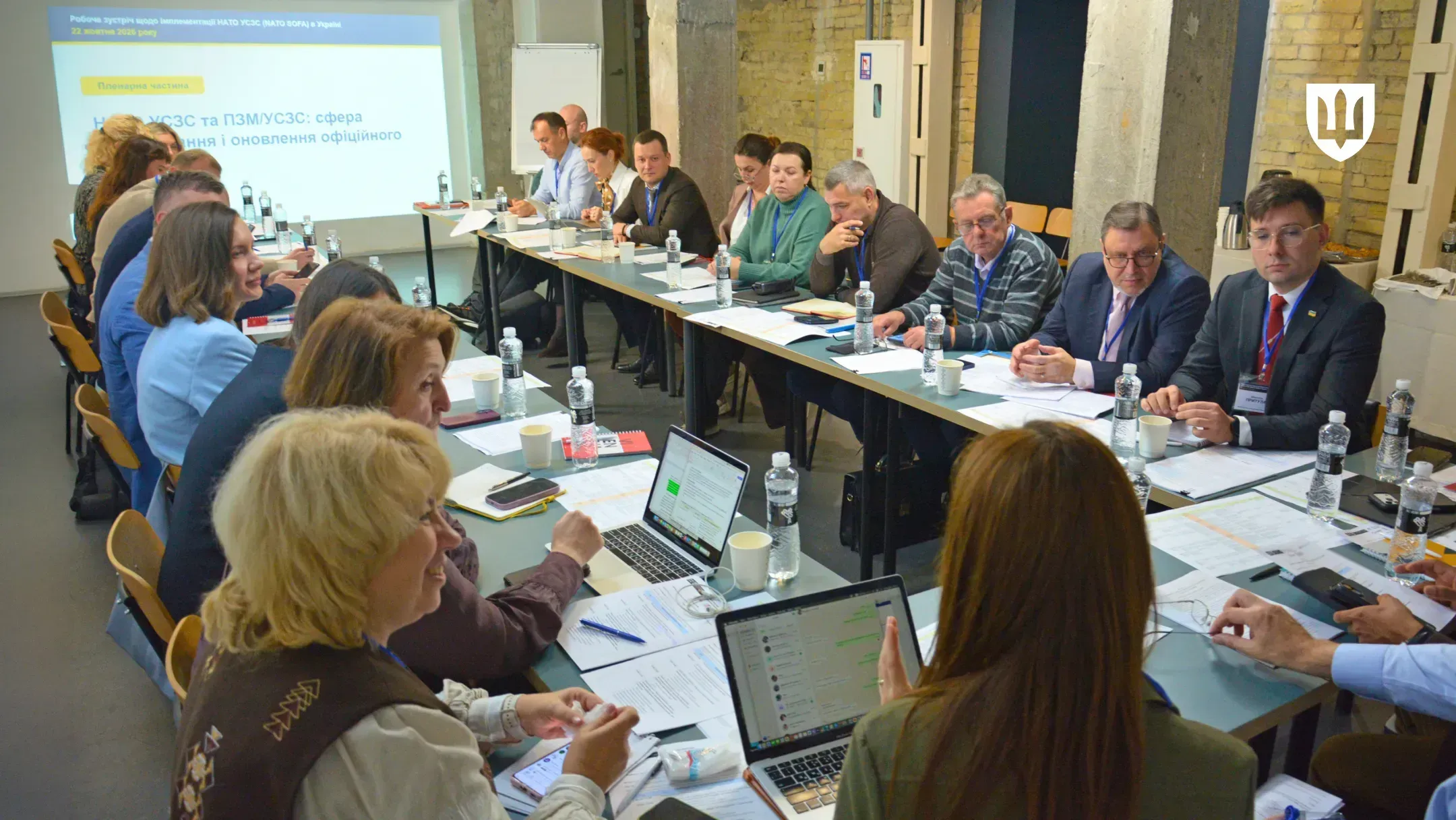
The Ministry of Defence of Ukraine held a working meeting on the implementation of the NATO Status of Forces Agreement (NATO SOFA). Participants discussed problematic issues in applying the Agreement, agreed on approaches to resolving them, and identified areas for further changes to Ukrainian legislation, in particular regarding criminal jurisdiction and the handling of claims.
The Ministry partnered with the Ukrainian Helsinki Human Rights Union to hold the meeting. The discussion was based on the draft Implementation Plan jointly developed by the Ministry of Defence and the Union. The document sets out measures to close gaps in implementing the provisions of the Agreement and identifies those responsible for carrying them out.
The meeting brought together representatives of 18 state institutions, including ministries, law enforcement agencies, the General Staff of the Armed Forces of Ukraine, and the National Bank of Ukraine. The number of participants was twice what had been expected, which confirms the relevance of implementing the Agreement in national legislation.
The event was held with the support of the UK Special Defence Advisor Programme.
What NATO SOFA covers and why its implementation matters
The Agreement defines the legal status of the armed forces of States Parties while they are on the territory of another State Party. It regulates entry and exit, criminal and disciplinary jurisdiction, compensation for damage, and customs and tax matters.
For Ukraine, the provisions of NATO SOFA apply through the Partnership for Peace Status of Forces Agreement (PfP SOFA).
Proper implementation of these provisions is particularly important in the context of possible security guarantees for Ukraine.
Issues discussed: criminal jurisdiction, claims, customs, and taxation
The focus was on the practical application of the Agreement’s provisions and the necessary changes to legislation.
Representatives of the Office of the Prosecutor General and the Ministry of Justice of Ukraine shared their experience in applying the rules on criminal jurisdiction. Participants also considered possible amendments to the Criminal Procedure Code of Ukraine.
Participants also discussed:
- the procedure for considering claims and compensating for damage;
- the current state of customs regulation and ways to improve it.
Taxation issues arising from the application of the Agreement were also a focus.
Next steps in bringing NATO SOFA into Ukrainian legislation
The meeting was another stage in the Ministry of Defence’s systematic work on implementing the Agreement.
One of the important results of this work has been the updated official Ukrainian translation of the Agreement, published on the official web portal of the Verkhovna Rada of Ukraine. The translation was prepared on the initiative and with the direct participation of the Ministry of Defence in cooperation with other relevant state authorities, including the Ministry of Foreign Affairs of Ukraine, the Ministry of Justice of Ukraine, the Office of the Prosecutor General, and the Ministry of Internal Affairs of Ukraine.
Following the meeting, participants agreed to hold additional consultations based on the proposals developed. The Ministry of Defence of Ukraine will continue to work consistently on incorporating the provisions of the Agreement into national legislation.
The Ministry of Defence previously reported that Ukraine will, for the first time, be able to procure military equipment through the NATO Support and Procurement Agency (NSPA). This will also open opportunities for Ukraine’s defense industry both to receive and to provide services through the Agency.