Ministry of Defence outlines approaches to defense industry innovation and transparent procurement to NATO partners
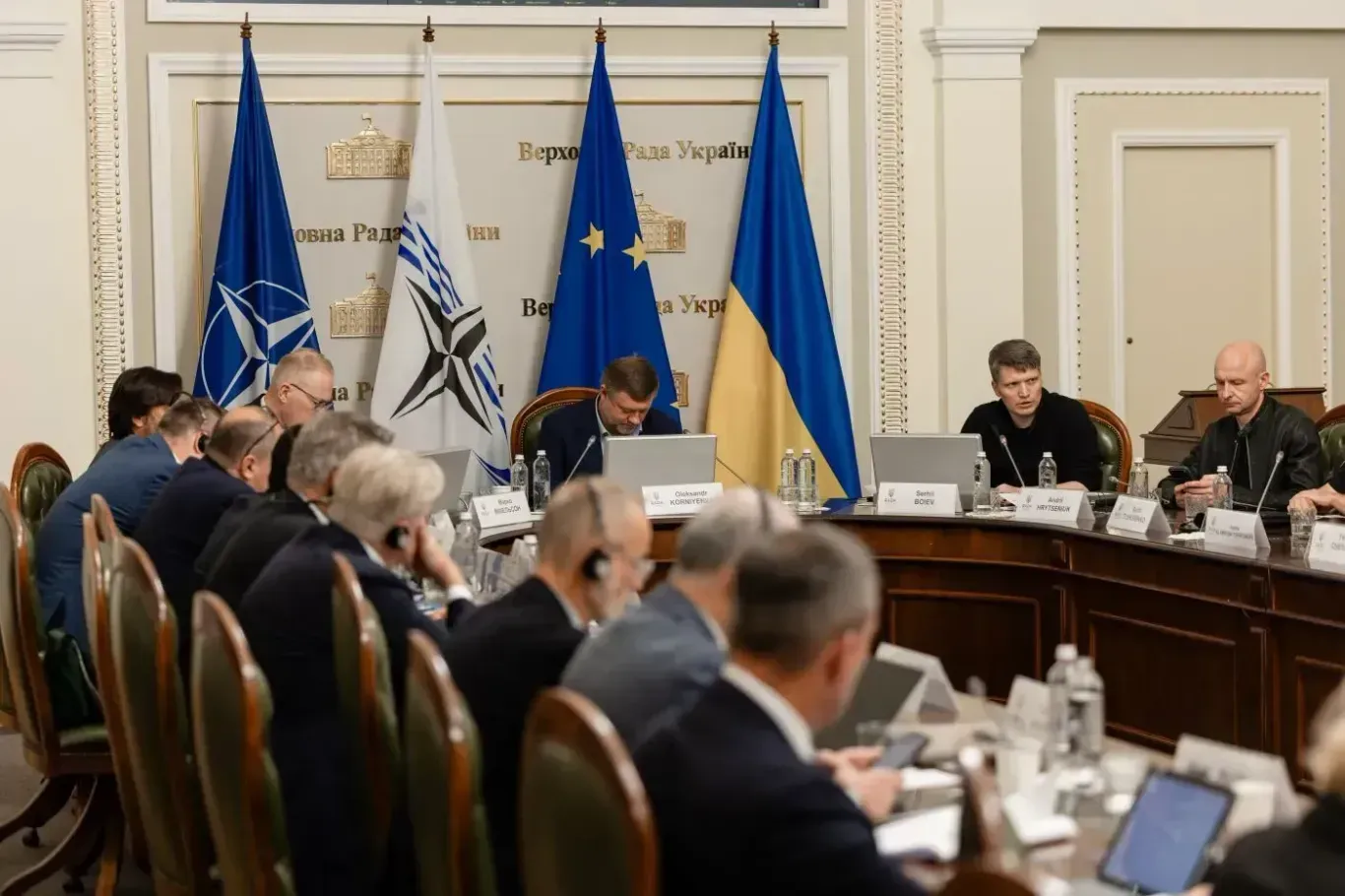
A team from the Ministry of Defence of Ukraine took part in a meeting of the Ukraine-NATO Interparliamentary Council (UNIC), where it briefed delegations from NATO member states on the progress of defense sector transformation.
Participants discussed the pace of innovation and the development of Ukraine’s defense industry, as well as new approaches to defense procurement, as the Ministry of Defence’s primary task remains ensuring that the Defence Forces of Ukraine receive the weapons and military equipment they need on time while maximizing the value of every hryvnia spent.
Defense industry keeping pace with innovation
The key advantage of Ukraine’s defense industry is how quickly it implements innovations, turning a front-line need into a technical specification, prototype, testing, refinement, and serial production.
New technologies are now introduced every 3–6 months. Ukraine has learned to adapt faster than traditional defense systems.
For example, more than 1,300 new Ukrainian weapons and military equipment models were authorized for operational use in 2025 alone. As Sergiy Boyev emphasized, Ukraine’s experience could be valuable to NATO countries, where the innovation cycle typically takes 10–15 years.
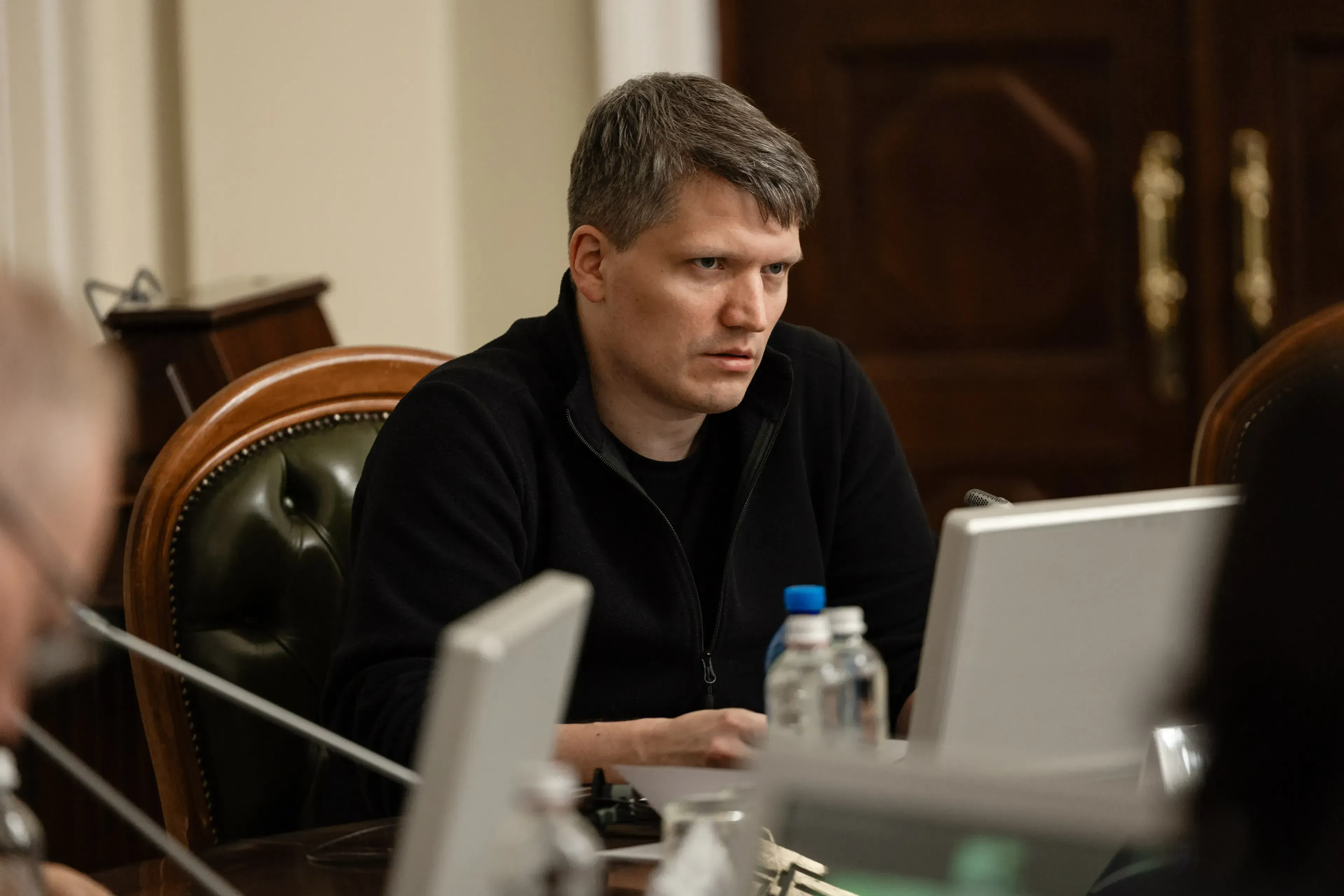
According to him, just a few years ago, many Ukrainian defense companies were small startups; today, they form an industry with production capacity of around $55 billion.
Direct link between the military and manufacturers
Effective implementation of innovations has been made possible by a direct feedback channel between the end user and the manufacturer. If a manufacturer fails to address feedback, the next contract goes to a competitor.
Brigades now have their own procurement budgets and can directly assess companies’ developments. Under the new procurement rules, 80% of the budget goes to those who have learned to deliver results. If you don’t improve your product, you lose immediately.
Combined with speed, this creates the optimal conditions for rapidly scaling up the defense industry without compromising quality.
Ukraine should become part of the new defense architecture
The target of raising defense spending in NATO countries to 5% of GDP has proved extremely timely. The Alliance declaration provides for $50 billion for new procurement and accelerating innovation.
As Sergiy Boyev emphasized, Ukraine can join this process because its manufacturers are already adapting to real-world threats and developing solutions that could become elements of NATO countries’ future security.
He also added that programs and initiatives such as Build with Ukraine, Drone Deals, EDIP, EDF, and others are available to help scale up cooperation with NATO countries.
New approaches to defense procurement
In an intense, high-tech war, the needs of the Defence Forces of Ukraine constantly change in response to the situation on the battlefield.
The state must therefore respond to these challenges as quickly and effectively as possible and find the resources to give the military what it needs.
The Ministry of Defence is also strengthening its anti-corruption efforts as a key element of procurement system reform.
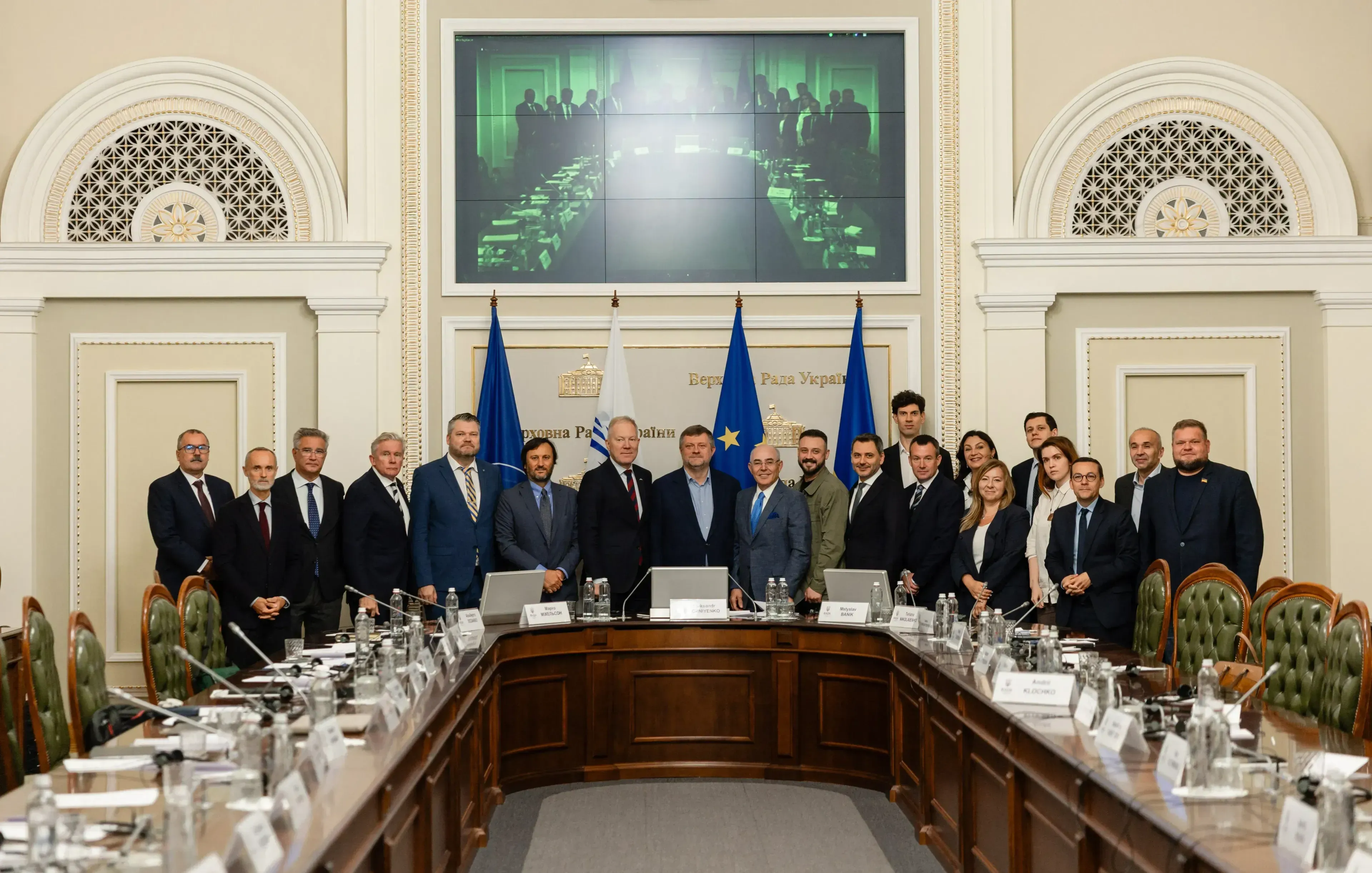
Anti-corruption efforts include, in particular, introducing open mechanisms to eliminate shadow schemes and behind-the-scenes influence, ensure fair rules for suppliers, and reduce corruption risks.
Transparency with international partners
Work on procurement is being carried out in cooperation with partners in accordance with the NATO-Ukraine Strategic Defense Procurement Review and the high-level recommendations agreed by the NATO-Ukraine Council Defence and Security Sector Committee.
This transparency policy forms the foundation for cooperation with international allies.
Our partners see this — we are open to any questions or requests they may have and always provide them with all the information. This is also important to ensure that we can continue receiving assistance.
He also briefed partners on the transition to competitive defense procurement procedures and how the first tenders are demonstrating their effectiveness.