Contributions to air defence through PURL, Ukrainian-made drones, ammunition, and missiles: outcomes of the 37th Ramstein-format meeting
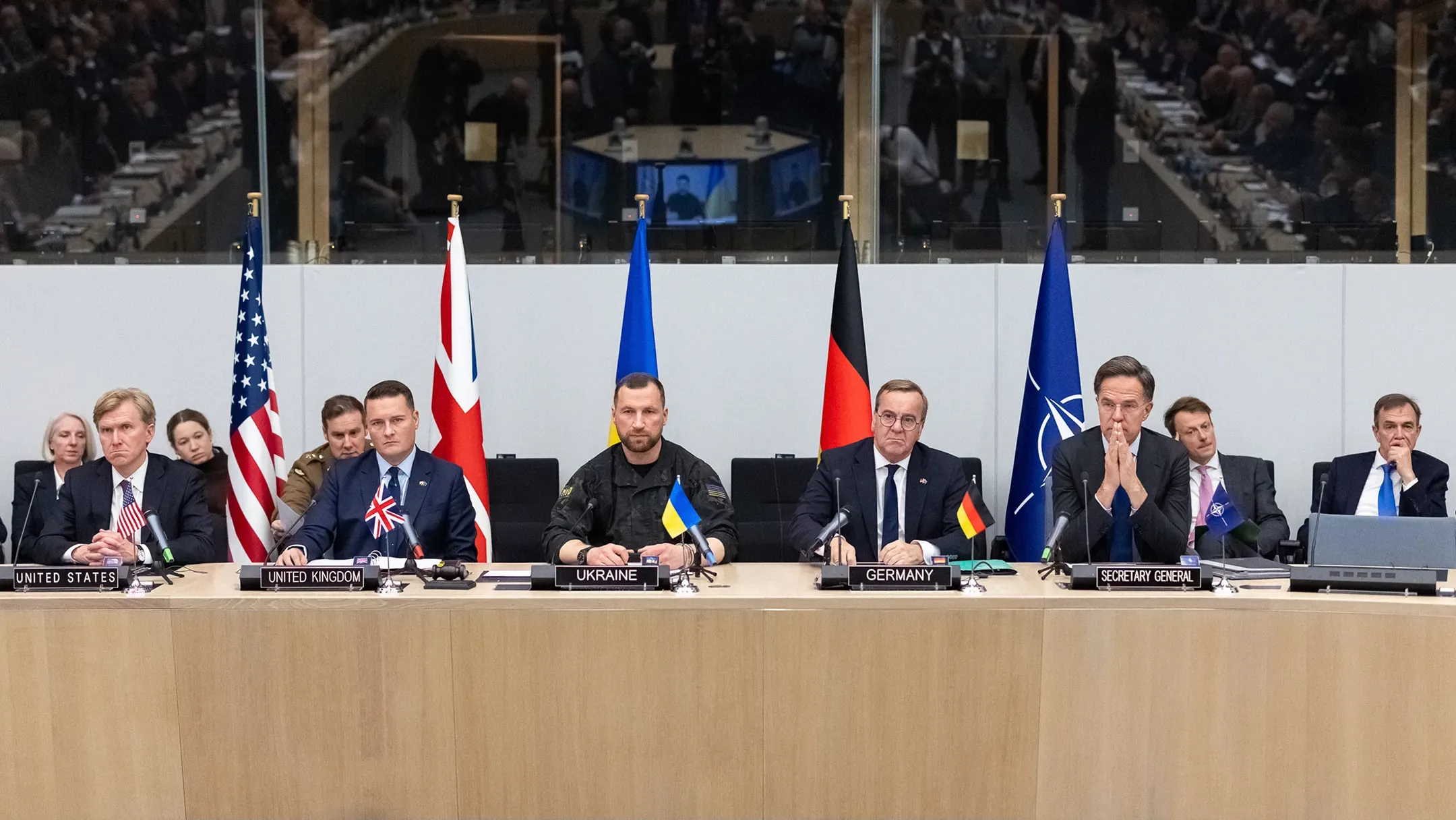
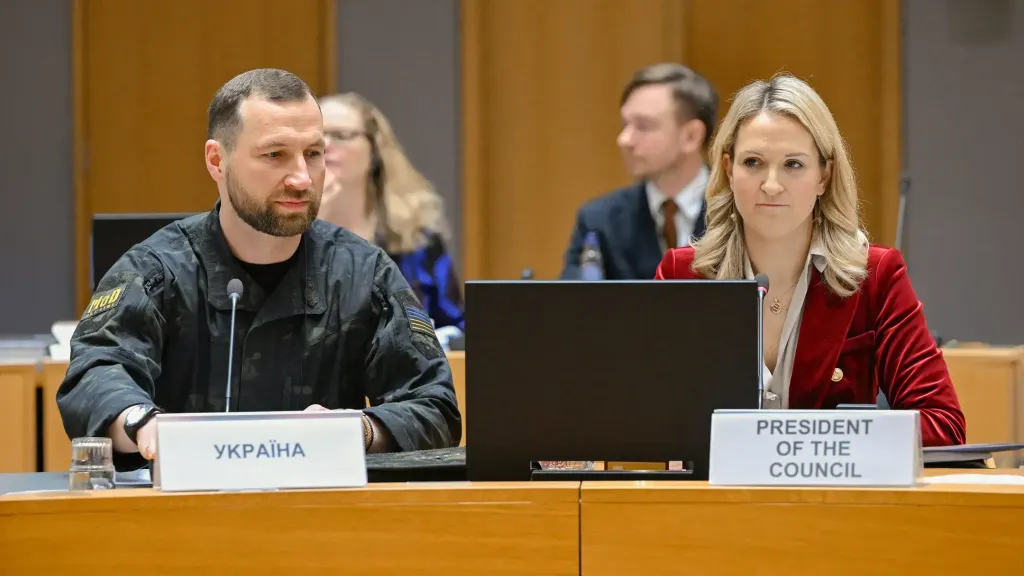
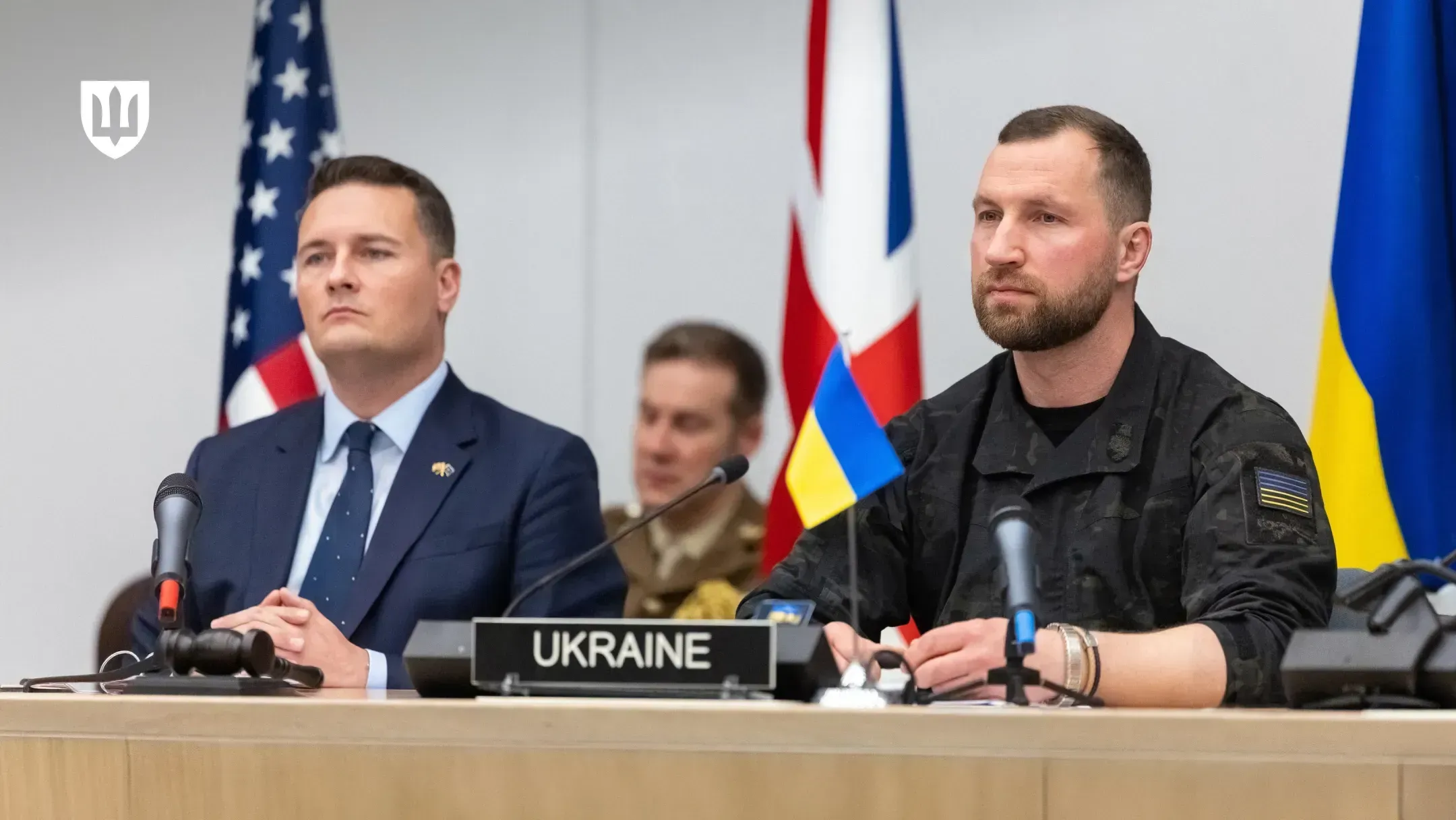
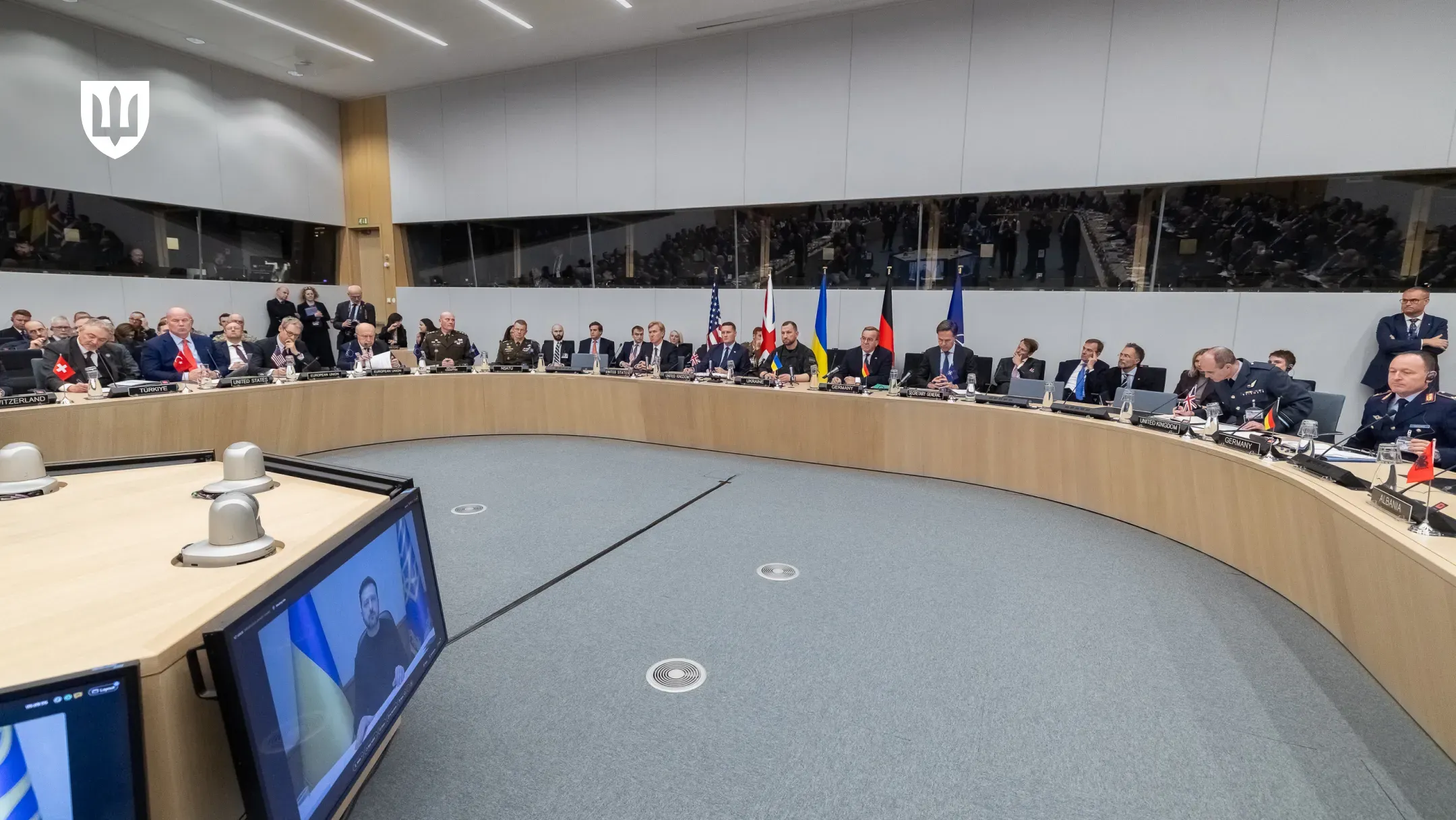
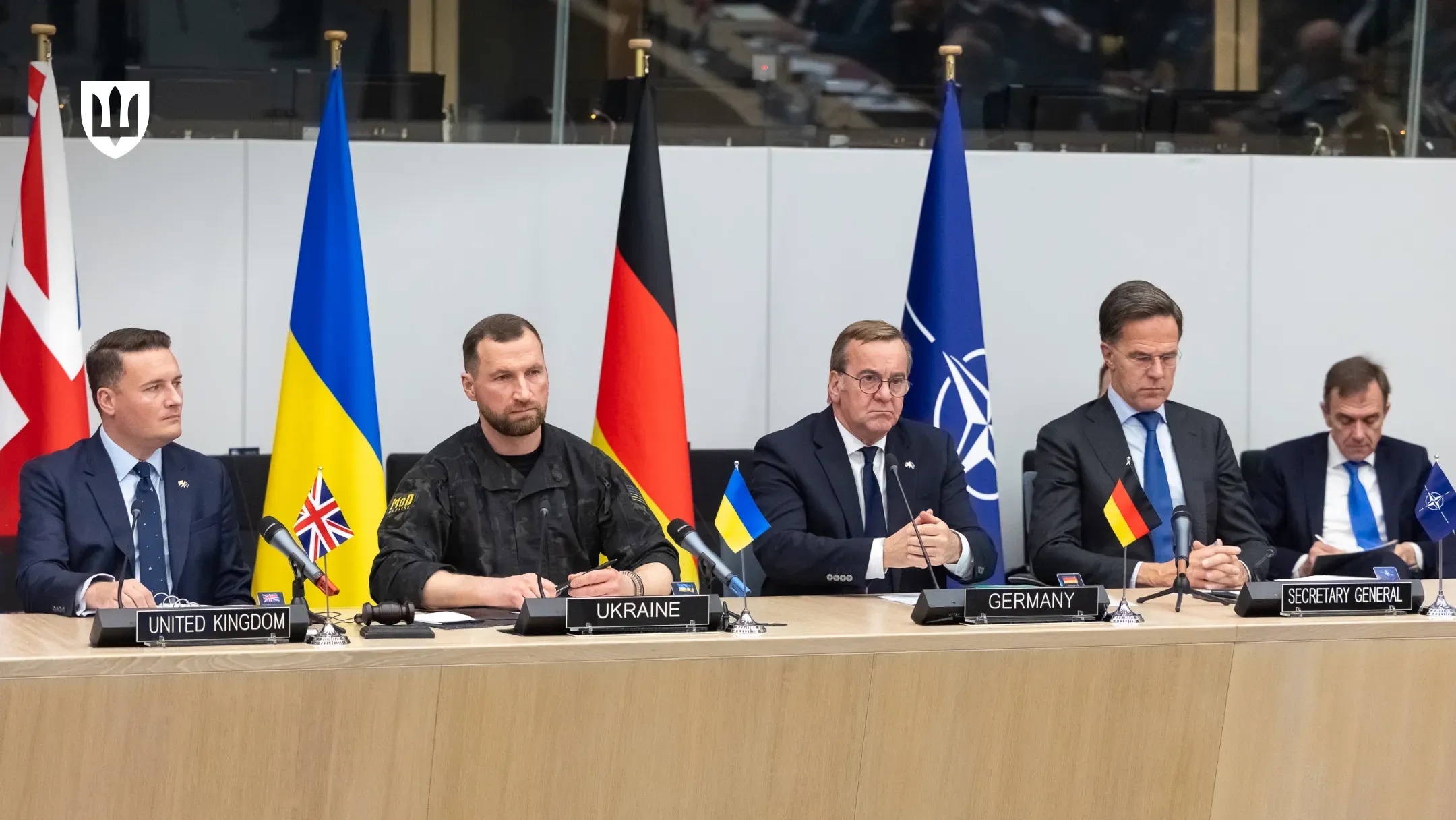
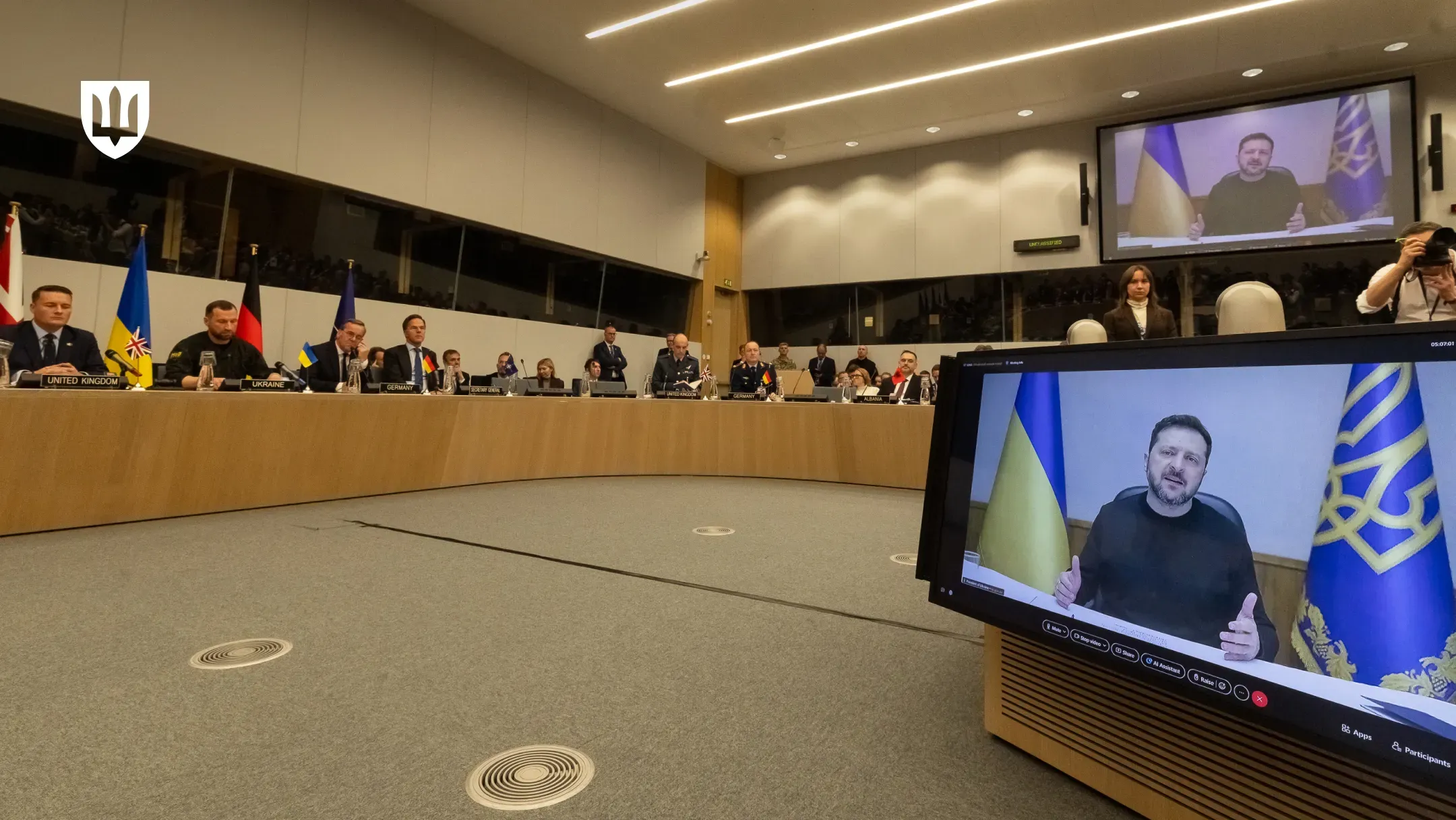
The 37th Ramstein-format meeting of the Ukraine Defense Contact Group took place in Brussels on 17 November.
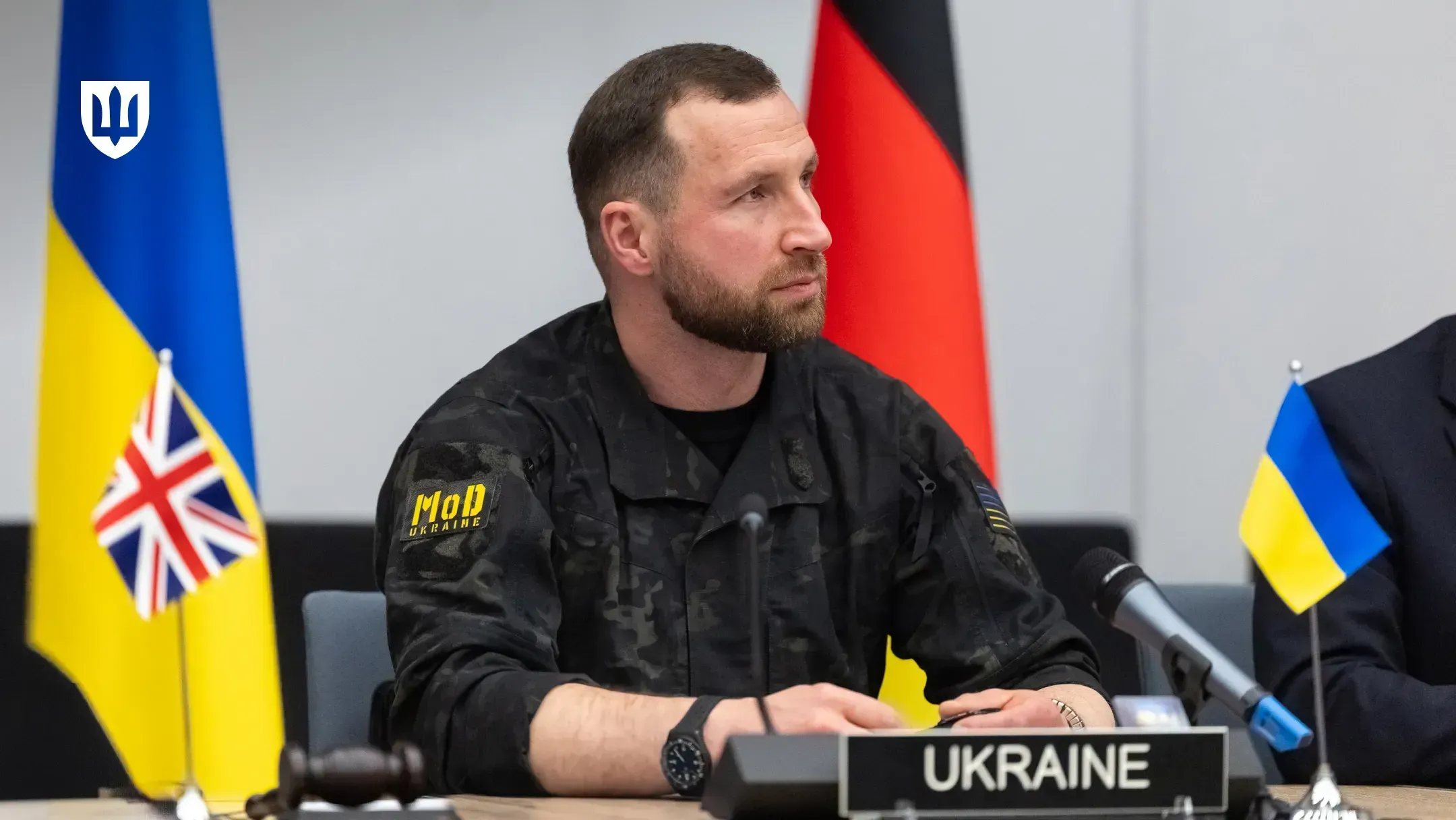
Minister of Defence of Ukraine Evgeniy Khmara emphasised that every decision taken during the meeting has practical significance for the defence and resilience of our state.
This winter, our biggest priority is protecting the skies. russia continues its aerial terror, and that is why it is important for us that contributions to strengthen air defence were announced as part of the support packages.
The Ministry of Defence of Ukraine outlines which assistance packages partners announced for Ukraine at the 37th Ramstein-format meeting.
Denmark: confirmed the allocation of an assistance package that includes €200 million for critically important air defence assets. It also allocated a new €645 million defence package for Ukraine. The funds will go towards procuring strike drones (including Ukrainian-made ones), munitions for F-16 aircraft, and Ukrainian interceptor drones, as well as implementing the Prioritised Ukraine Requirements List (PURL) initiative.
In addition, Denmark is directing funds received as reimbursement from the European Peace Facility towards further support for Ukraine.
The United Kingdom: £240 million for air defence, including interceptors and Lightweight Multirole Missiles (LMM), as well as radars.
The Netherlands: a €500 million winter package. A new contribution to PURL this year, as well as a contribution to the Drone Line initiative.
Germany: a previously announced €1 billion assistance package with a focus on air defence. It includes IRIS-T systems, radars, interceptor drones, the integration of IRIS-T missiles into NASAMS systems, and 20 mm ammunition for F-16 aircraft. Germany is also directing funds received as reimbursement from the European Peace Facility towards further support for Ukraine.
A new $300 million contribution to PURL has been announced.
Deliveries of long-range shells, electronic warfare (EW) systems, naval drones, and 70 mm rockets. Jointly produced middle-strike and deep-strike UAVs will also be procured.
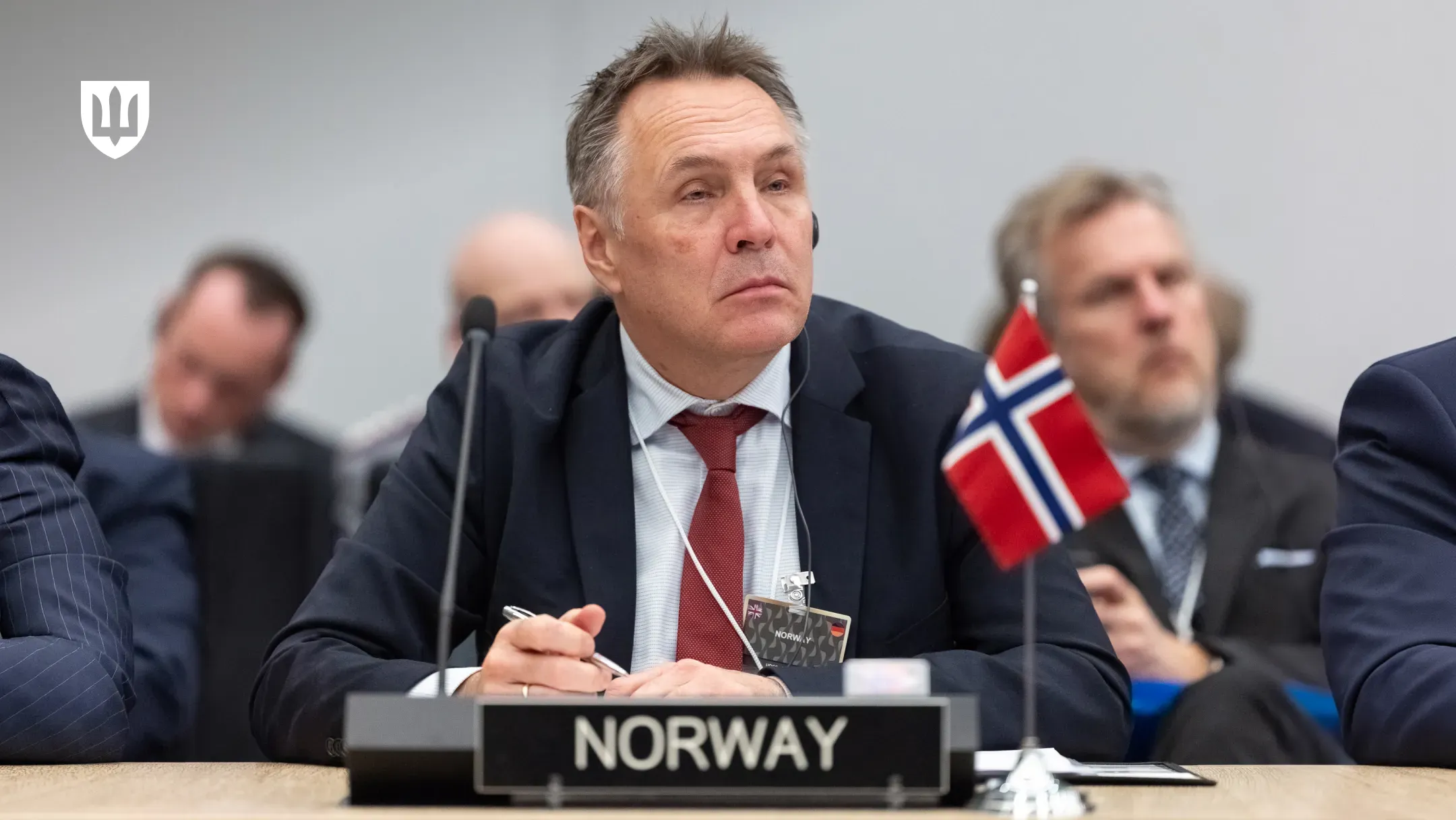
Norway: a total support package of around $800 million. In particular, $150 million for air defence, including man-portable air-defence systems (MANPADS); $300 million for PURL; and $300 million to procure Ukrainian drones for the Defence Forces of Ukraine. In addition, up to €11 million for assets to counter jet-powered Shahed drones.
Canada: up to C$45 million to procure missiles through the “Czech initiative”: AIM-7, R-73, and R-27 (in addition to the previously announced contribution of C$75 million for extended-range artillery ammunition). Canada’s total contribution to the “Czech initiative” in 2026 amounts to C$120 million.
Additionally, Canada will transfer Canadian-made optical systems under the FrankenSAM programme. Canada will also supply 20 mm aircraft ammunition.
Furthermore, Canada will provide winter equipment and food for Ukrainian warriors.
Belgium: 10 F-16 fighter aircraft for Ukraine by the end of 2026.
Total support of €1.1 billion this year, including €100 million for PURL.
In 2027, Belgium intends to direct €1 billion towards Ukraine’s military needs.
The transfer of air defence missiles, 70 mm munitions, and 20 mm ammunition for F-16 aircraft is also planned.
Lithuania: €250 million in military assistance for 2027, which amounts to more than 0.25% of its GDP. Contributions to Ukrainian defence industry projects are also planned.
Estonia: a commitment for 2027 of at least 0.25% of GDP to support Ukraine. Estonia is also preparing to direct €15 million to joint industrial projects.
Luxembourg: will direct €25 million to PURL by the end of this year.
France: delivery of a Thales GF300 anti-ballistic radar. By the end of 2026, the following are planned for transfer: two Mirage 2000-5F aircraft, AASM Hammer 250 aerial bombs funded by Norway and Germany, and 30 mm ammunition for Mirage aircraft and other aviation support financed through the EU loan.
Sweden: a $71 million assistance package, including support for PURL ($20 million) and the “Czech initiative” ($18 million).
Spain: an additional package of more than €400 million, which will include, among other things, drones and artillery shells. Deliveries of IRIS-T missiles are planned.
Finland: confirmed the allocation of two packages totalling €291 million, which will include, among other things, air defence assets. The next package is being prepared, as well as a €40 million contribution to PURL.
Portugal: a €50 million contribution to PURL, €1 million to the NSATU Trust Fund, and €3 million to NATO’s Comprehensive Assistance Package (CAP).