From Soviet GOSTs to NATO standards: Ukraine’s MoD updates fuel requirements
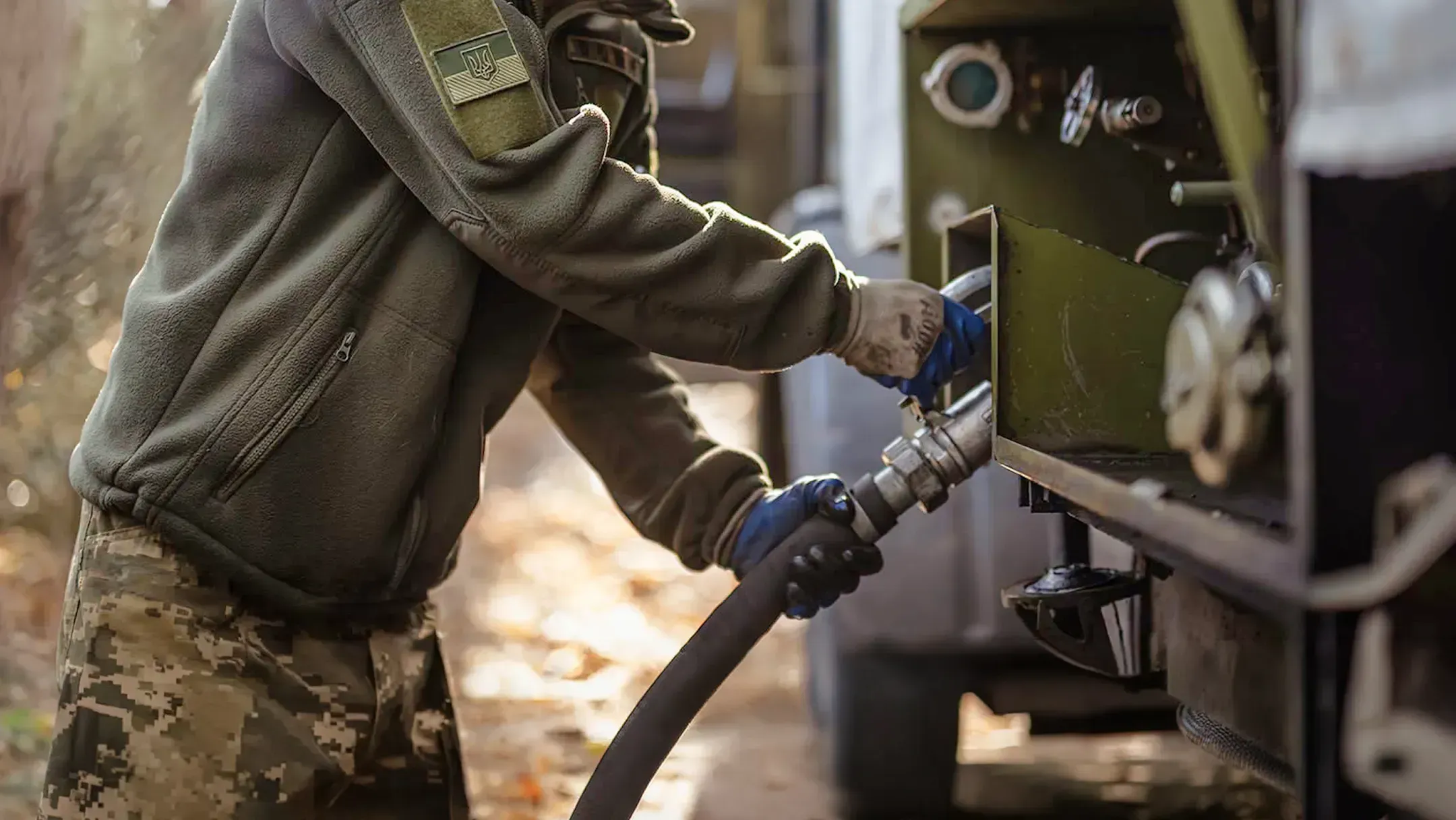
The Ministry of Defence of Ukraine is working to update standards for fuels and lubricants, special fluids, alcohols, and liquid rocket propellant components.
A working group will review the existing regulatory framework and prepare proposals for updating requirements and regulatory documents.
Most of the fuel and lubricant standards we currently use were developed before 1992. We are gradually transitioning to modern European standards and the standards of NATO and partner countries. This will make it possible to procure, store, and check the quality of petroleum products in line with modern requirements.
The requirements that the working group will review cover fuels, lubricants, special fluids, alcohols, and liquid rocket propellant components.
Why Soviet-era GOST fuel standards are being replaced
An order of the State Enterprise “Ukrainian Scientific Research and Training Center for Standardization, Certification and Quality Problems” withdraws outdated interstate GOST standards developed before 1992. They established requirements for fuels and lubricants. Accordingly, new requirements need to be developed to ensure a steady supply of high-quality petroleum products.
When updating the standards, it is important to take into account the requirements applied by partner countries, in particular NATO and European Union member states. This will help align national requirements with international practice, expand opportunities to procure fuels and lubricants on foreign markets, and address the maintenance needs of equipment that Ukraine procures or receives from partners.
Standards determine the criteria used to check product quality, how tests are conducted, and whether fuel and lubricants are safe to use in weapons and military equipment.
The working group will have to work through about a hundred standards. The group will analyze and update them, align them with European legislation, and develop recommendations for creating new requirements.
Fuels and lubricants are dual-use products, so not only the military will need the updated requirements. They are also important for state institutions, private enterprises, and others.
Working group on NATO-compatible fuel standards: members and tasks
Representatives of the Ministry of Defence and the Defence Forces of Ukraine, in particular the Logistics Forces Command of the Armed Forces of Ukraine, are involved in the work. They are joined by representatives of standardization and government quality assurance bodies, the Defence Procurement Agency DOT, testing institutions, technical committees, and relevant organizations.
The new regulatory framework that the working group will develop is to be based on European requirements, NATO standards, and those of partner countries. It should also take into account modern production technologies, product application characteristics, and the operational needs of weapons and military equipment.
The working group will:
- analyze current standards, technical specifications, and requirements for fuels and lubricants;
- review the product nomenclature and develop conditions for using new grades of fuels and lubricants (including as replacements for outdated ones), taking into account the requirements of weapons and military equipment developers and manufacturers;
- prepare proposals for developing new national and military standards;
- update requirements for product quality and testing methods.
The group’s work will result in agreed proposals for updating national and military standards. These standards will be developed and approved in line with established standardization procedures.
The result should be a modern system of fuel and lubricant standards that is compatible with the requirements of NATO and partner countries and ensures proper product quality.
Earlier, the Ministry of Defence digitized fuel and lubricant accounting in military units of the Armed Forces of Ukraine. This will speed up fuel delivery to units.