Ukrainian military surgeons and anesthesiologists complete second “Tryzub” training cycle
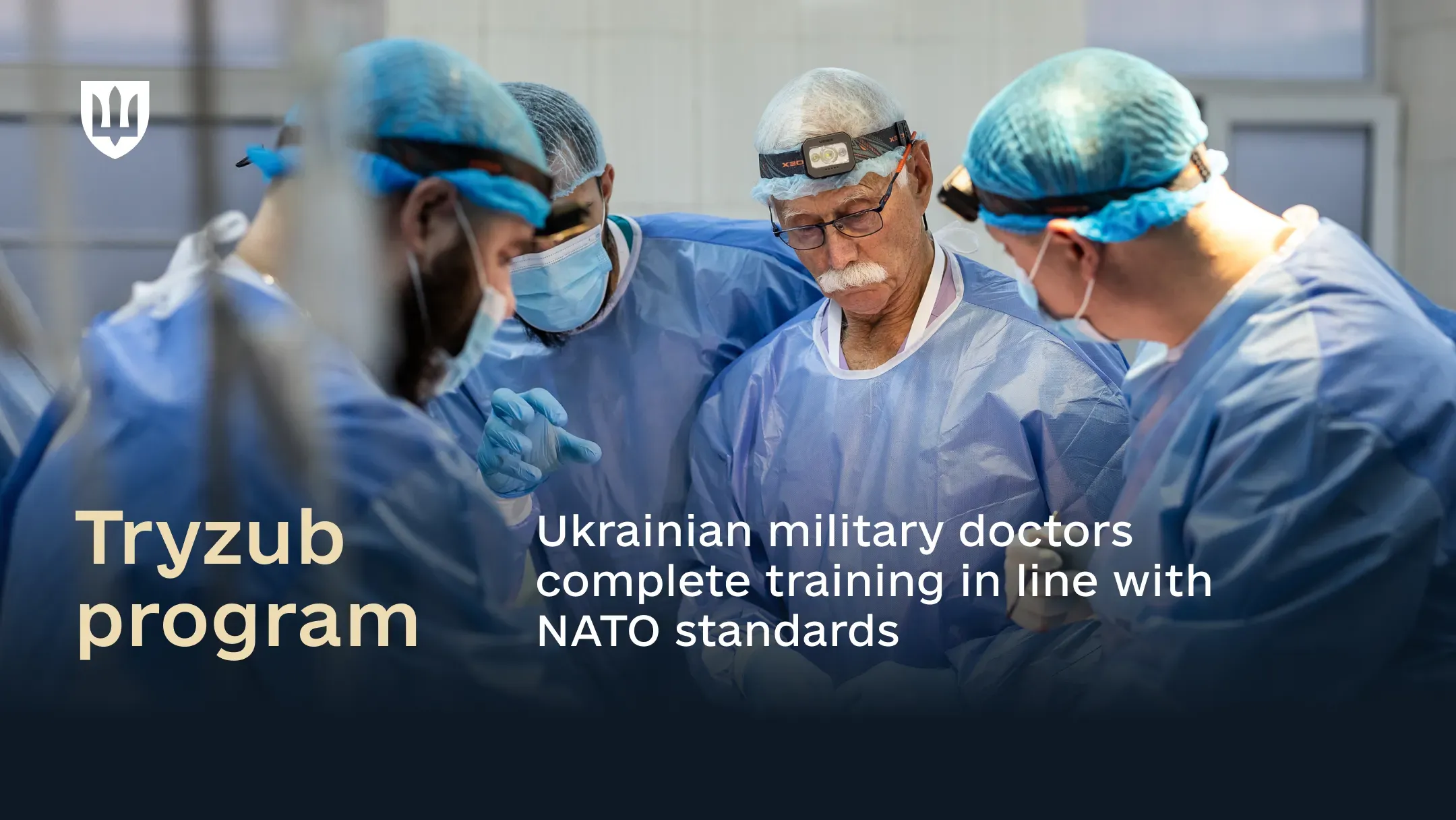
The second training cycle for military surgeons and anesthesiologists under the “Tryzub” program, an initiative of the Ministry of Defence of Ukraine, has concluded in Kyiv.
In total, 32 physicians completed training under certified international programs that meet NATO standards.
When a Ukrainian service member heads out on a mission, they must know that if they are wounded, the best-trained specialists will fight for their life and health. That is why we train surgeons and anesthesiologists to the highest standards.
The training follows original international programs whose quality is assured by the American College of Surgeons (ACS) and the International Association for Trauma Surgery and Intensive Care (IATSIC).
Which trauma care courses make up the “Tryzub” program
The “Tryzub” program brings together internationally recognized courses that prepare medical professionals to manage severe trauma. They cover the entire care pathway for the wounded: from initial assessment and stabilization to surgical treatment, anesthetic care, and intensive care.
Under the program, physicians take the following courses:
- ATLS (Advanced Trauma Life Support): teaches participants to rapidly assess a wounded patient’s condition, stabilize them, and determine the next steps in treatment: whether surgery is needed, treatment should continue, or the patient should be transferred to another medical facility. In all developed countries, this course is the training standard without which treating injuries and wounds is inconceivable.
- DSTC (Definitive Surgical Trauma Care): prepares surgeons to make decisions when treating severe injuries, including bleeding control and priority surgical interventions. For decades, DSTC has remained the most demanding course of theoretical and practical training, focused on developing teamwork between surgeons and anesthesiologists.
- DATC (Definitive Anaesthetic Trauma Care): teaches anesthesiologists to maintain a patient’s vital functions during surgery and the treatment of severe trauma. The course runs in parallel with DSTC so that surgeons and anesthesiologists can practice working together.
- ASSET (Advanced Surgical Skills for Exposure in Trauma): a hands-on course in which participants practice surgical exposure of major blood vessels and other vital anatomical structures so that, in the event of a severe wound, they can quickly reach the site of injury and stop life-threatening bleeding.
- REBOA (Resuscitative Endovascular Balloon Occlusion of the Aorta): a method of temporarily controlling massive bleeding with a special balloon inside the aorta. It can give doctors extra time to perform surgery. The module includes hands-on practice on a simulator.
- POCUS (Point-of-Care Ultrasound): bedside ultrasound that helps quickly assess a patient’s condition, detect signs of bleeding or a collapsed lung, and determine next steps.
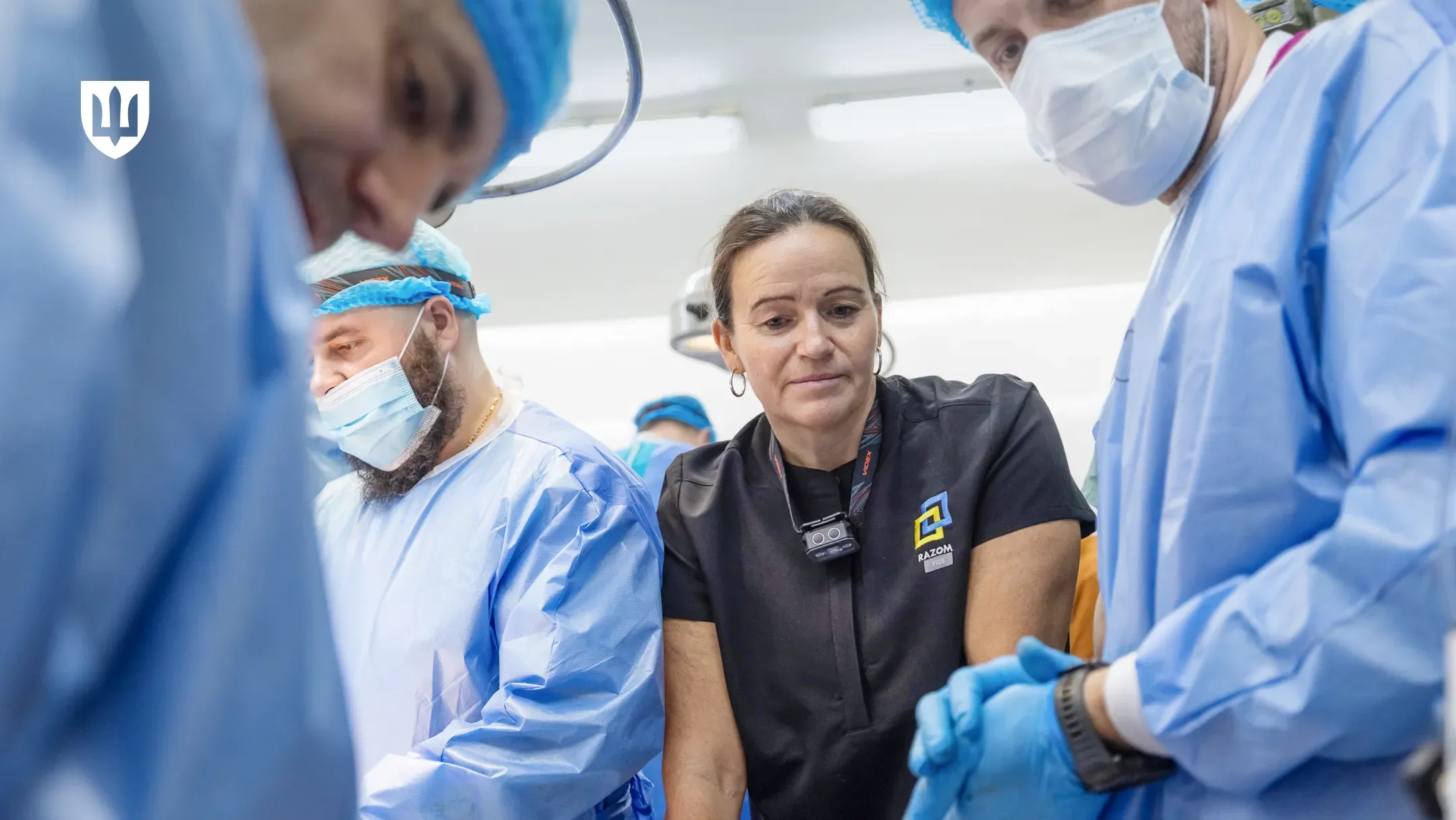
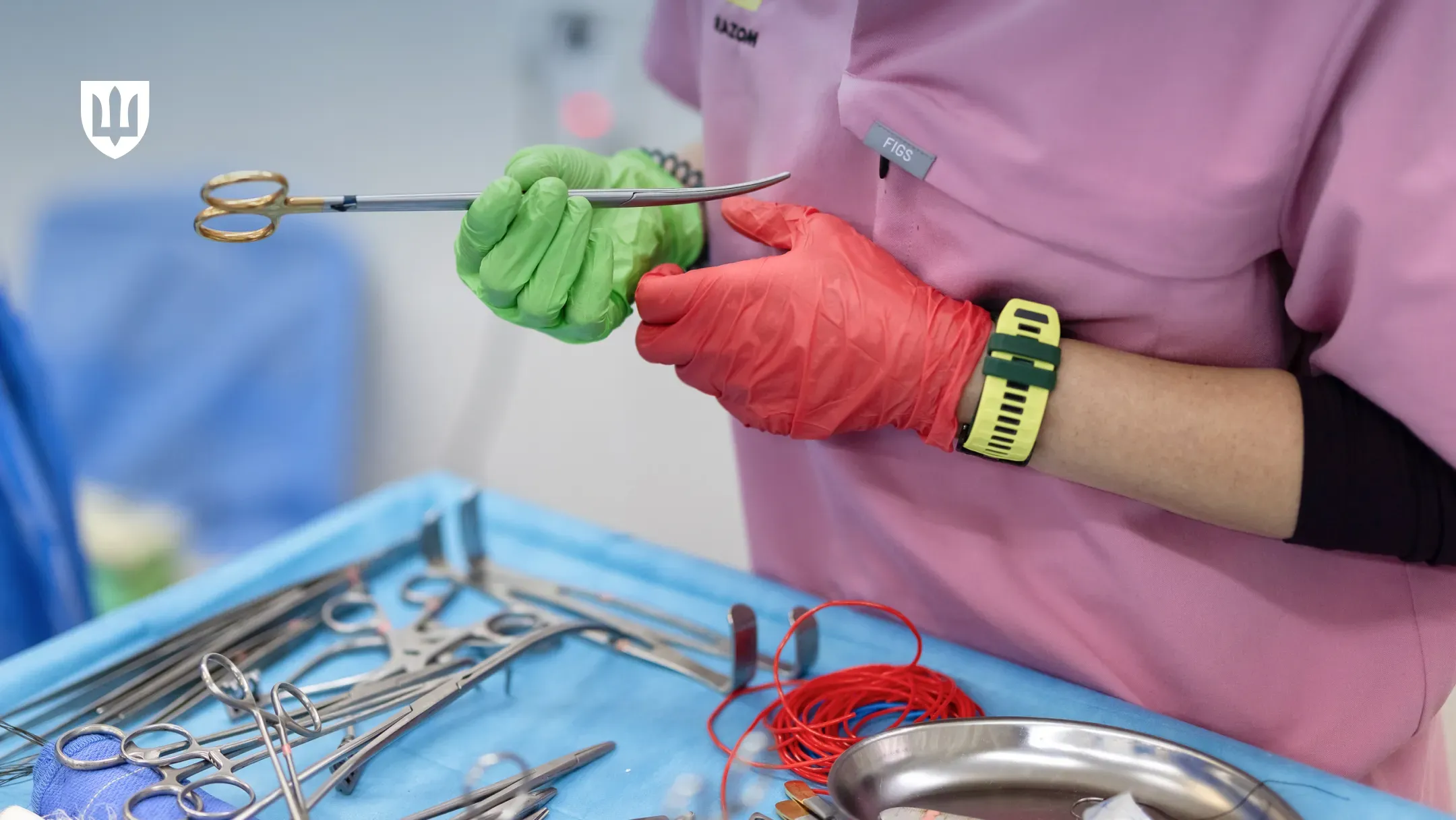
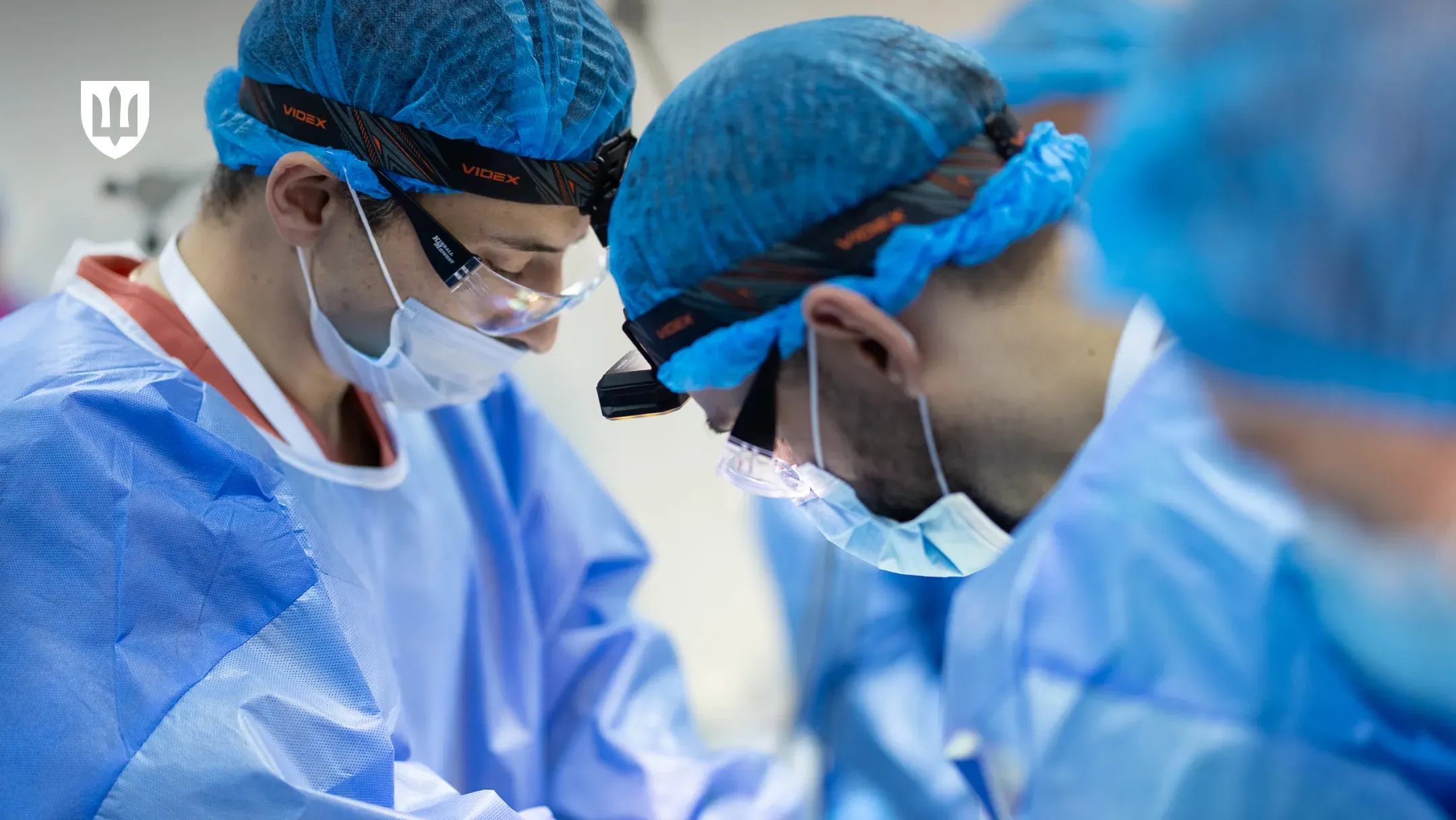
The practical part of the training includes simulation exercises, practice of operative techniques, work with clinical scenarios, and laboratory sessions.
Who teaches the “Tryzub” courses
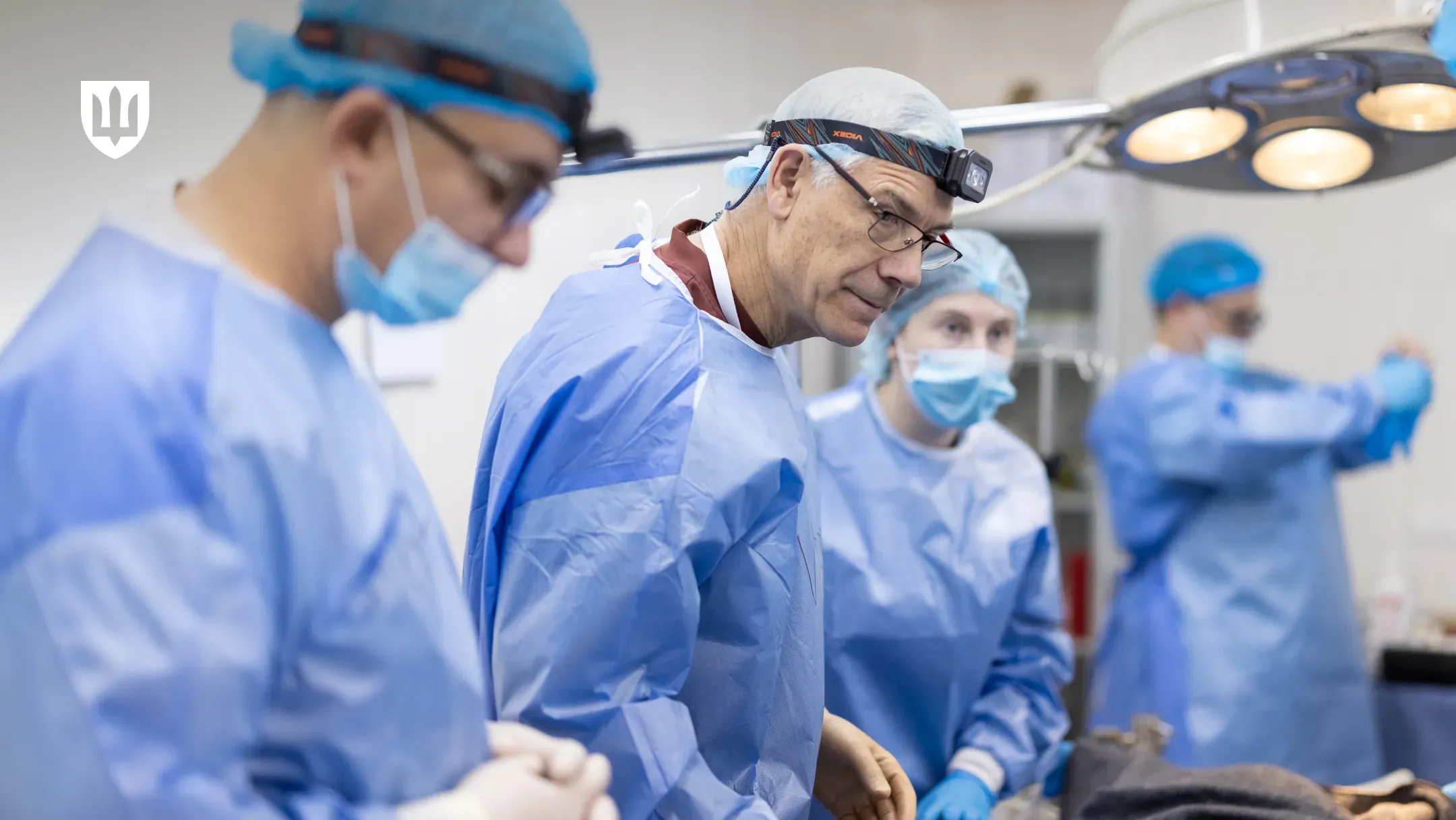
The courses are taught by international instructors and their Ukrainian counterparts from Special Operations Center “A” of the Security Service of Ukraine (SSU). They are recognized by global professional organizations, including ACS and IATSIC.
International instructors in the “Tryzub” program include:
- Ernest E. Moore (United States): Professor of Surgery at the University of Colorado and former President of the American Association for the Surgery of Trauma. For 36 years, he headed the trauma service at Denver Health Medical Center.
- Ricard N. Townsend (United States): a retired trauma surgeon with experience in both military and civilian medicine. He treated wounded service members in Iraq and Afghanistan and trained military surgeons at the Walter Reed military hospital.
- Tarek Razek (Canada): a trauma surgeon and Director of the international DSTC program for surgical care in severe trauma. He heads the adult trauma program at the McGill University Health Centre.
- Kjersti Baksaas-Aasen (Norway): an anesthesiologist at Oslo University Hospital. She has repeatedly directed the international DATC course on anesthetic care for patients with severe trauma in Oslo.
- Edgar Lipping (Estonia): a trauma surgeon, head of a department at the North Estonia Medical Centre in Tallinn, and an instructor of the international ATLS course on care for trauma patients.
- Warren C. Dorlac: MD, a member of the American College of Surgeons, a U.S. Air Force veteran, Vice Chair of the ACS Committee on Trauma, an expert in tactical medicine and aeromedical evacuation, and former Director of the Joint Trauma System (JTS) in Iraq and Afghanistan.
Bringing in instructors from different countries with diverse experience and an extensive body of professional knowledge and skills creates learning conditions in which participants get as much information as possible.
Unified protocols for more effective care of the wounded
Training under international programs matters not only for improving physicians’ individual skills. It establishes common working standards for surgeons and anesthesiologists and helps them understand roles, the sequence of actions, and the principles of interaction in treating severe trauma.
The long-term goal of “Tryzub” is to make comprehensive training in line with international standards permanently available in Ukraine. To achieve this, it is important to hold the courses regularly and gradually expand access to them for more military physicians.
The practical goal is for every team that provides care to the wounded to include a specialist trained to manage severe trauma.
At the same time, it is important that continuous training build a pool of certified Ukrainian instructors whose skills have been recognized by international professional organizations. In this way, training military medical personnel in line with international standards will become a sustainable capability of the Ukrainian military.
Next step: enshrining training for surgeons in regulations
The Ministry of Defence is now developing a regulatory framework that will make such training mandatory before surgical teams are cleared for duty during rotations.
This year, a team from the Ministry of Defence of Ukraine, together with instructors from SSU Special Operations Center “A”, held these three courses in Ukraine as part of a single program for the first time.
The training was held with the support of ACS and IATSIC, in partnership with the Global Medical Knowledge Alliance (GMKA) and the NGO “CHEST!”
The organizers met all the requirements for delivering the courses to ensure the same quality of training for Ukrainian physicians as in other countries where these courses are taught.
The charity Razom for Ukraine and Expertise France, the French agency for international technical cooperation, provided financial and organizational support.
As previously reported, 16 physicians completed training during the first “Tryzub” cycle: eight surgeons and eight anesthesiologists. They serve at stabilization points and in forward surgical teams near the front line.