Ukraine’s MoD presents comprehensive update on defense digital transformation efforts
The Ministry of Defence of Ukraine held the Digital Defence Forum. This event brought together Defence Forces leadership, representatives of the General Staff, Armed Forces of Ukraine commands, government institutions, and international partners.
At the forum, participants presented progress on digital solutions that strengthen Ukraine’s defense capabilities every day. Most of these solutions have been developed by the Armed Forces’ IT teams.

In his address, Ukraine’s Minister of Defence, Denys Shmyhal, outlined the Ministry’s strategic priorities.
“The Ministry of Defence is firmly advancing three core priorities: people, weapons, and systems. In each, the digital component is essential to achieving objectives. At the same time, we are building a military IT vertical that includes over 7,000 officers responsible for digital transformation who will support implementation across every unit,” he emphasized.
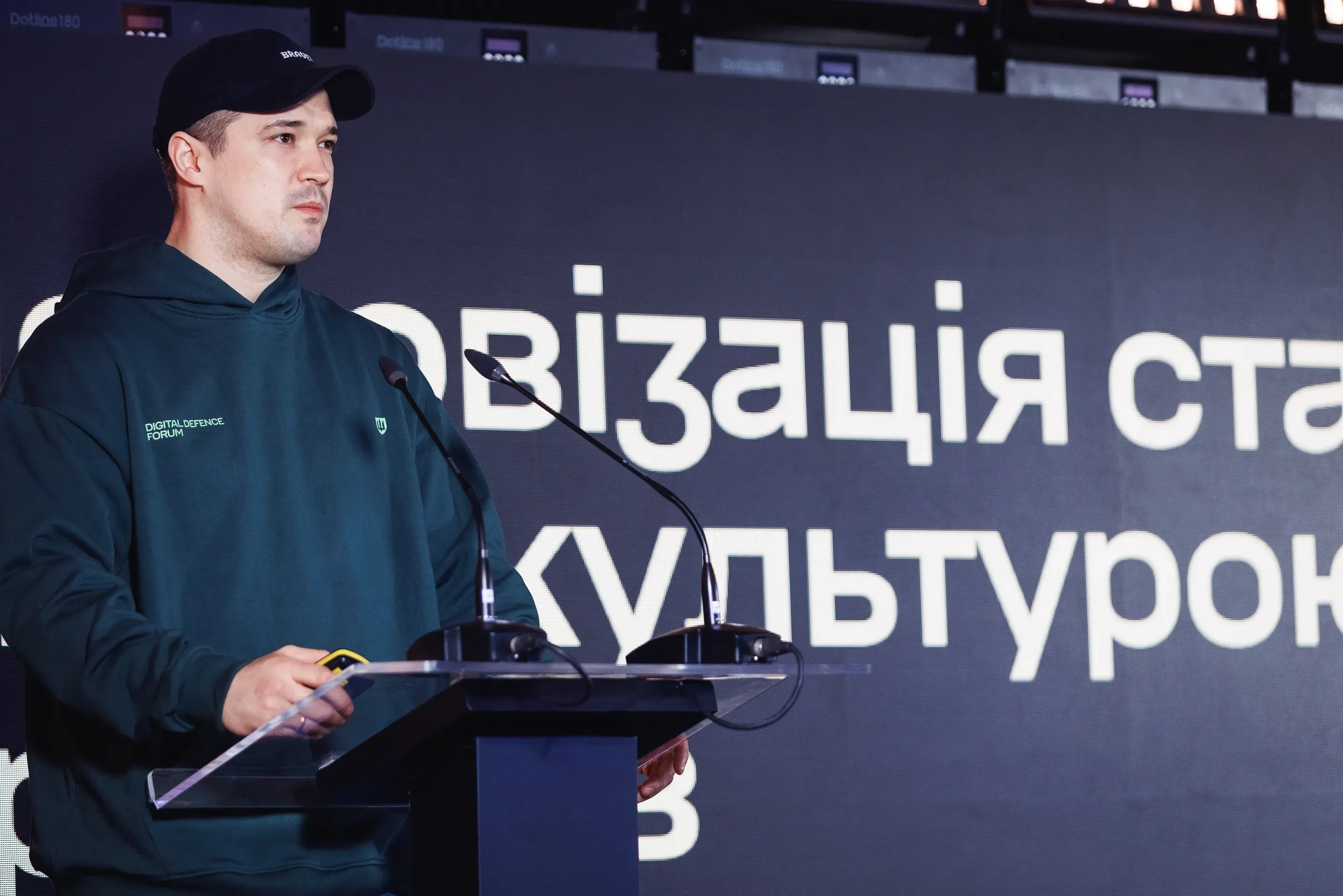
According to First Deputy Prime Minister and Minister of Digital Transformation Mykhailo Fedorov, digitalization is a tool that helps the Defence Forces achieve their objectives on the battlefield more effectively.
“There are key trends that provide an edge over the enemy in a technological war: data-driven decision-making, effective feedback loops, and network-centric operations. That is why, together with the Ministry of Defence, we are developing eight priority areas of defense digitalization that enhance flexibility, efficiency, and reduce bureaucracy across the military,” he stated.
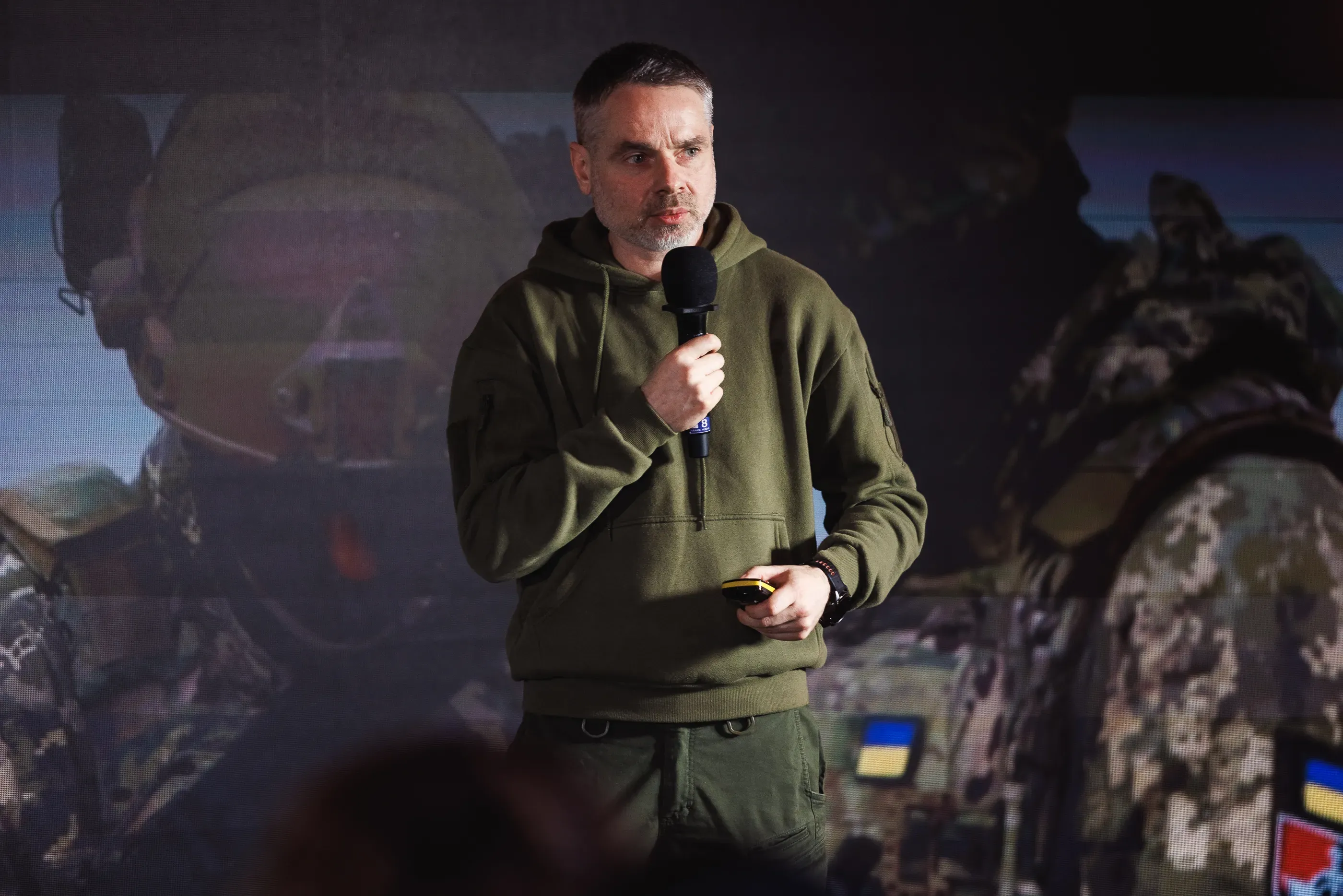
Yuriy Myronenko, Deputy Minister of Defence of Ukraine, presented the results of the operational use of DELTA — a combat system that enables units to gain situational awareness more quickly, coordinate their actions, and make decisions at the pace of combat: “Today, DELTA has over 200,000 users, up to 10,000 drone combat streams per day, 2,700 targets hit daily, and integrated UAVs, ground robotic systems (GRS), satellites, radars, sensors, automated unit reports, and more. This has reduced the time between target detection and engagement from hours and days to minutes.”
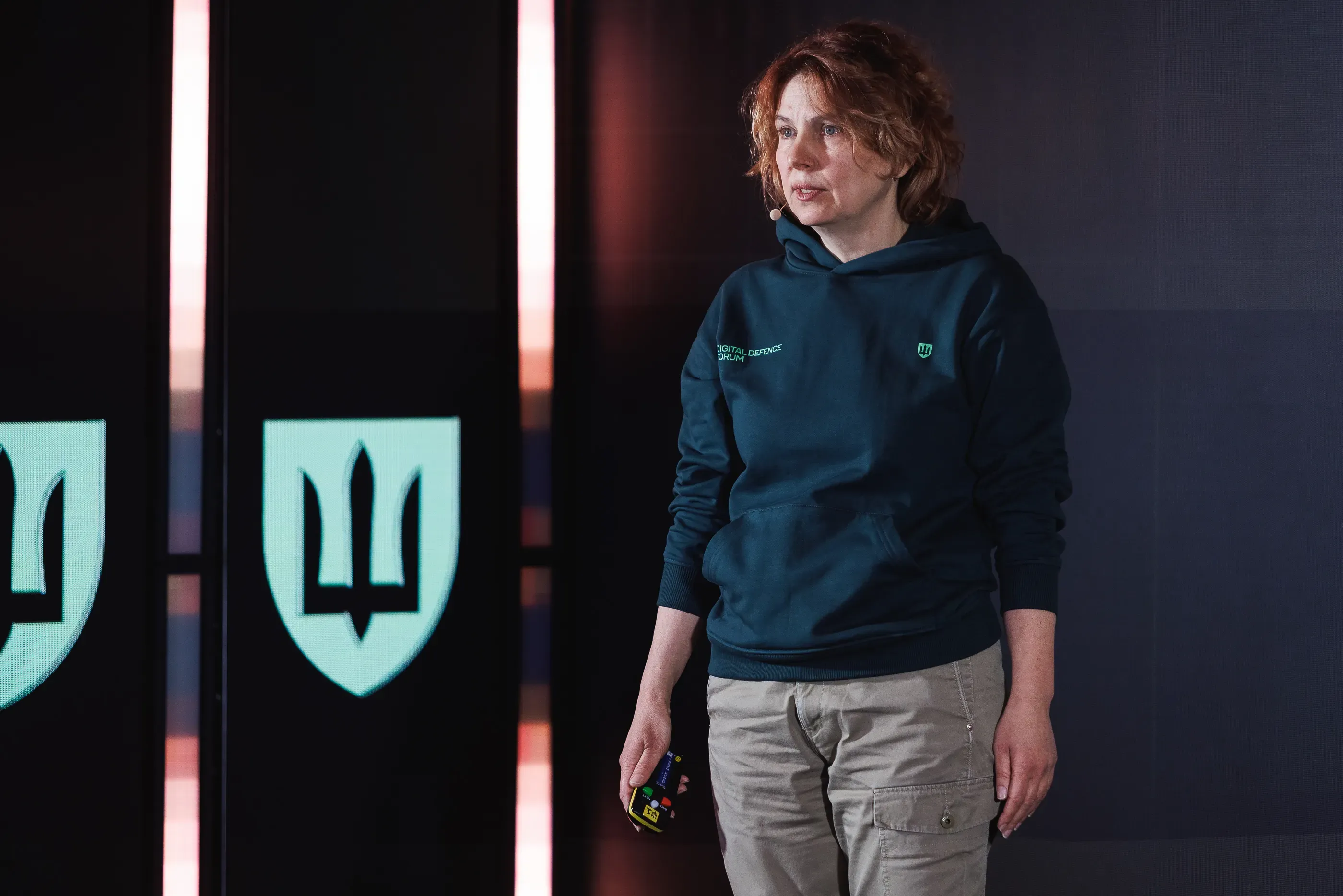
Oksana Ferchuk, Deputy Minister of Defence for Digital Development, Digital Transformations, and Digitalization, presented progress in the digital accounting of defense resources. Already, 1,000 military units, warehouses, bases, and arsenals are maintaining their records through digital systems. This provides command real-time visibility into unit resourcing and enables rapid response to requests.
“Throughout 2026, we will ensure the full digitalization of personnel, finance, and materiel management — including weapons and equipment. However, this can only be achieved together with the Ukrainian military. That is why it is especially important that commanders and military unit leaders are here today — successful implementation of digital solutions is possible only with the commander’s support,” the Deputy Minister stressed.

Arsen Zhumadilov, Director of the Ministry of Defence’s Defence Procurement Agency (DPA), outlined the digitalization of procurement. At its core is the DOT-Chain Defence marketplace, where the military select the drones they need, while the DPA handles contracting, payment, and performance oversight. Today, the system includes nearly 300 UAV and EW models from 90 manufacturers.
“Through DOT-Chain Defence, the military has already received 144,845 units of equipment. The provisioning cycle has been reduced to a few weeks, and in some cases to just a few days. The system continues to scale: it is now used by 184 brigades of the Armed Forces of Ukraine and two corps of the National Guard of Ukraine. We continue to expand the system’s functionality. In the first quarter of 2026, we plan to launch the ‘Drone Configurator’ module, which will enable the military to customize drones for specific operational tasks by combining various components and parameters such as camera type, frequencies, flight altitude, and more,” he explained.
Oleh Berestovyi, Head of the Ministry of Defence’s Main Directorate for Information Technology, outlined the ongoing changes to mobilization processes. Six million Ukrainians are using the Reserve+ app. In November, 724,000 deferments were renewed automatically, reducing the load on enlistment offices and generating annual savings of 329 million UAH for the state.
“Annually, there are 4.2 million offline visits to enlistment offices that are unrelated to mobilization. These include deferment requests, registration procedures, data updates, issuance of paper documents, reservation certificates, leave notes, and more. We are changing this. During wartime, enlistment offices must focus only on those who will serve,” he stressed.
Mstyslav Banik, Head of Digital Products at the Ministry of Defence, reported that approximately one million Ukrainian service members are already using the Army+ app. To date, more than 55,000 changes of duty station between units and over 1.2 million electronic reports have been processed through the app.
He also outlined the project’s upcoming plans: “We are launching a new phase in the development of Army+. The new version will be enhanced with features people need: the defender’s ID, the ‘Pulse’ information feed, an updated notifications section, and, in the future, an upgraded ‘Training’ service. Reports and features will also be organized around real-life situations. The first features — ‘Army ID’ and the ‘Pulse’ feed — will be available after 22 December.
Next, during the closed session of the Forum accessible only to the military, further key digital solutions for the military were presented:
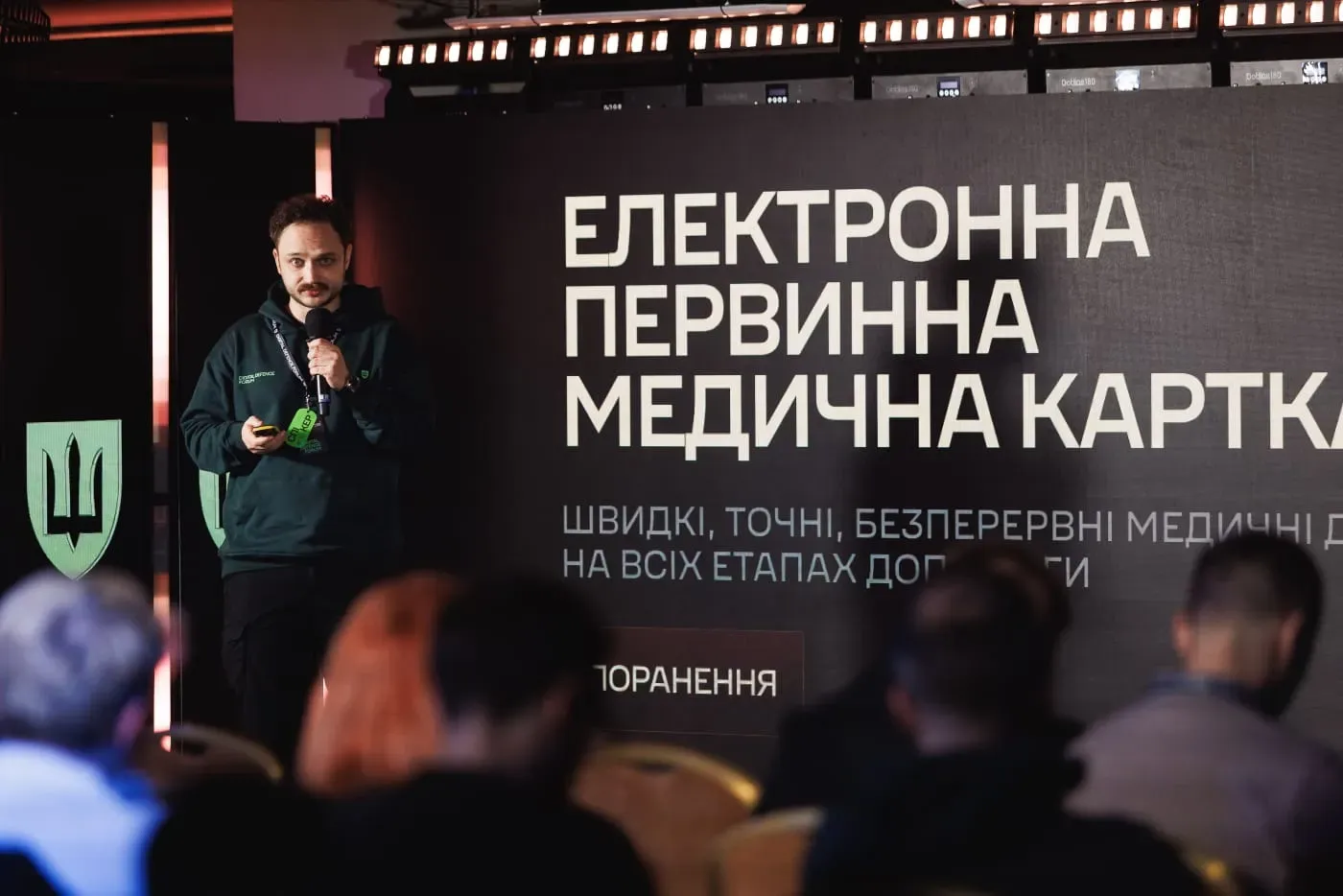
- The Medical Information System (MIS), which covers the full treatment cycle for service members — from evacuation to rehabilitation. The system is already used by 83% of AFU units.
- The ‘Impulse’ system for personnel record-keeping, which replaces paper logbooks and enables real-time data processing. Deployment began this autumn, and 160 units of the Land Forces and Air Assault Forces are already using it in daily operations.
- SAP system: enables centralized management of supplies, equipment, materiel, and spare parts, following principles used by the majority of NATO armies. As a result, requests from brigades are processed by logistics services within 2–3 days rather than weeks.
- The ‘Property’ system: will provide a unified digital record-keeping of military property, eliminating the need for Excel spreadsheets and large volumes of paper documentation. Launch is expected in the first quarter of 2026.
- TacERP: a unified platform for comprehensive accounting of UAVs at the tactical level, ensuring transparent distribution of drones and up-to-date information on warehouse inventories. The system was developed and tested by the 3rd Assault Brigade and will be scaled in the spring.
- Eight combat systems that provide Battle Management Command and Control functions: monitoring the tactical situation, coordinating actions, conducting geospatial analysis, maintaining situational awareness, integrating real-time data, and strengthening electronic warfare (EW) capabilities.