Systemic changes to strengthen Ukraine’s military: Denys Shmyhal reports to parliament on his tenure as minister of defense
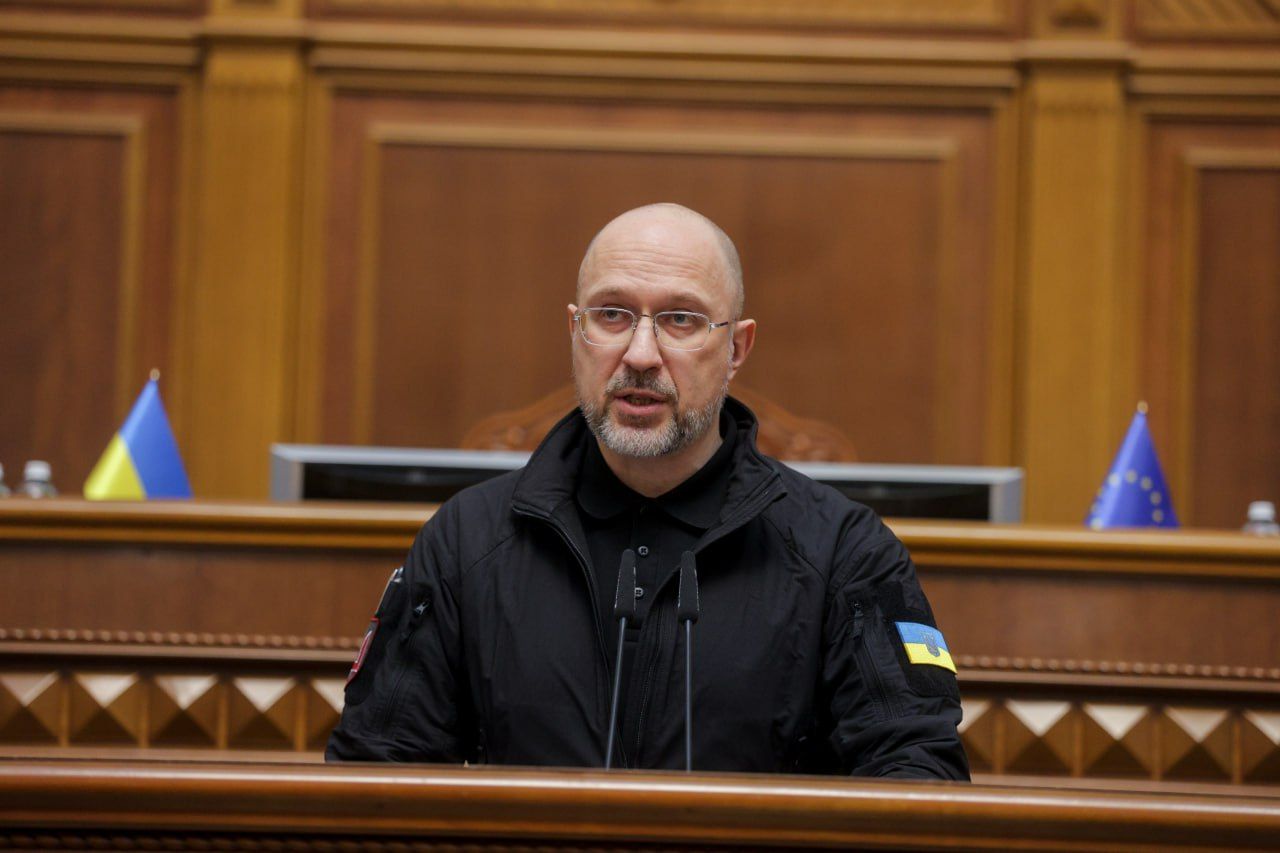
During his address to the Verkhovna Rada of Ukraine, Denys Shmyhal presented a report outlining the key results of his tenure as Minister of Defence of Ukraine. According to him, the primary focus was on strengthening Ukraine’s military across three priorities: people, weapons, and the system.
“The front is held first and foremost by people — Ukraine’s military. That is why the Ukrainian soldier has been and must remain at the center of all policies and decisions,” Denys Shmyhal said.
Priority 1. People
The Ministry of Defense has developed new contracts for service members with clearly defined durations of service, additional remuneration, and a post-contract temporary discharge.
In 2025, direct funding for combat units increased by a factor of thirty.
The Minister also noted that defensive infrastructure had been reinforced through the establishment of thousands of strongpoints and the construction of thousands of kilometers of anti-tank trenches and other engineering obstacle systems.
He also emphasized that the Military Ombudsman institution has become fully operational as an independent mechanism for protecting the rights of service members.
Priority 2. Weapons
Within the framework of centralized procurement, 76% of weapons are procured by the state from Ukrainian manufacturers.
Over the past six months, more than 2.2 million drones of various types have been delivered to the military, including nearly 1.8 million FPV drones, 352,000 fiber-optic-controlled drones, around 23,000 deep-strike drones, and more than 53,000 reconnaissance drones.
To protect cities and carry out missions at the front, 1,500 interceptor drones are supplied daily.
The DOT-Chain Defence marketplace has helped speed up drone deliveries to the military, reducing average delivery times to 6–10 days.
Denys Shmyhal also reported that UkrOboronProm increased production by 1.5 times in 2025 and that the special legal framework, Defence City, became operational in Ukraine.
Particular emphasis was placed on international support. According to the Minister, in 2025, Ukraine secured USD 45 billion in security assistance from partners.
The PURL initiative became operational, with 24 countries joining it.
“This includes missiles for Patriot, HAWK, and other U.S. systems, as well as new air defense systems. The total value of contributions under PURL exceeds USD 5 billion, and we expect it to expand further,” Denys Shmyhal said.
In 2025, Ukraine received 23 long- and medium-range air defense systems and 11,000 missiles for them, including four Patriot systems that strengthened Ukraine’s capabilities. Ukraine also received over 2.4 million artillery shells as a result of agreements with partners.
The Minister also reported on efforts to enhance the aviation component and advance capability integration, including initiatives involving Gripen and Rafale aircraft.
He also noted that in 2025, Ukraine’s defense industry secured over USD 6 billion in foreign investment.
The President of Ukraine’s Build with Ukraine and Build in Ukraine initiatives were also fully rolled out: Ukraine has agreements with the United Kingdom, Germany, and the Netherlands on joint drone production, while 25 foreign defense companies are localizing their operations in Ukraine.
Priority 3. System
Ukraine’s military has completed the transition to a corps-based structure.
DELTA is now mandatory for the entire Ukrainian military, with 200,000 registered users and the capability to support the daily engagement of around 2,700 enemy targets.
As of the beginning of 2026, procurement for Ukraine’s military has been conducted by a unified Defence Procurement Agency.
More than 200 military units have transitioned to daily operations of the Impulse military personnel record-keeping system.
An IT vertical is being established within the military, with up to 5,000 officers responsible for digital transformation.
Modernization of the Army+ ecosystem is ongoing: the application is used by around 1 million service members, and more than 60,000 changes of duty station between units have been processed through Army+.
In conclusion, Denys Shmyhal expressed gratitude to all those who support Ukraine’s military, including President Volodymyr Zelenskyy, the Ministry of Defence team, the Government team, and members of parliament.
“I am grateful to all soldiers, sergeants, officers, and commanders at every level, as well as to all our combat units and brigades. Thanks to you, Ukraine is holding firm. I leave this position with confidence that the processes now underway will form the foundation for further changes and reforms, and that our shared achievements will serve as the basis for Ukraine’s resilience,” Denys Shmyhal concluded.