From oil depots in the city of Azov to the Druzhba oil hub: striking at the economic foundations of russian military supply
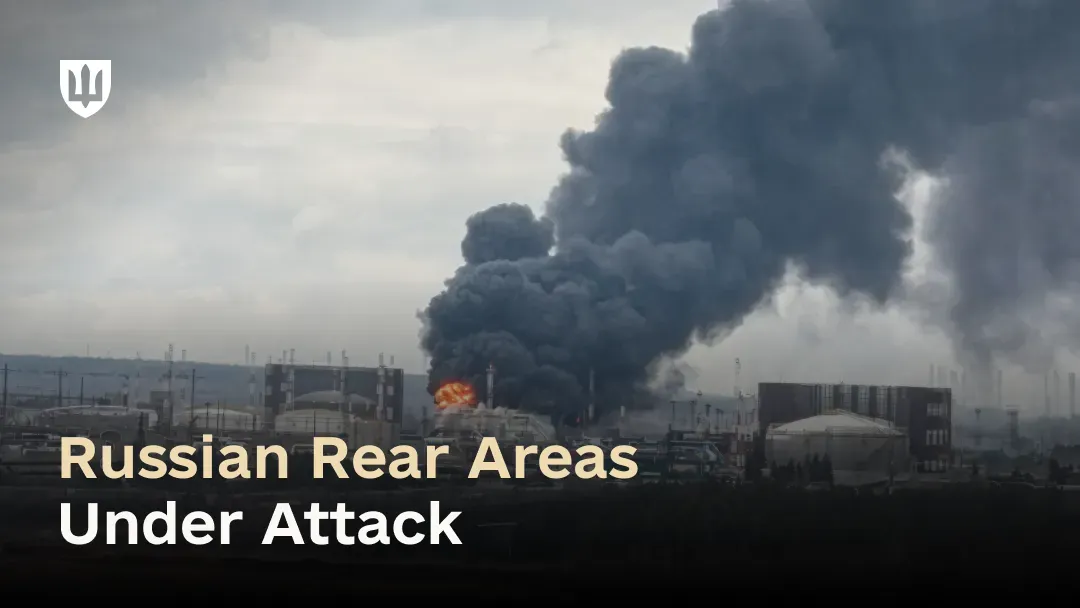
Between November 16 and 21, the Defence Forces of Ukraine carried out a series of strikes on oil infrastructure, military logistics, air defense assets, command posts, and the russian military’s support facilities.
This period was marked not by a single high-profile strike but by sustained pressure on various components of russia’s military system. Ukrainian forces attacked facilities that russia depends on to produce and supply fuel, move military cargo, control drones, protect strategic infrastructure, and keep equipment combat-ready.
From Krasnodar Krai and Rostov Oblast to Bashkortostan and Tatarstan, the geographical scope of the strikes showed that strategic facilities in russia’s rear areas can no longer be considered beyond reach.
Strikes on fuel infrastructure: production, storage, and transportation under pressure
One of the key focuses of Ukrainian operations was the systematic targeting of russia’s oil infrastructure.
Overnight into November 16, the Defence Forces attacked the Ilsky Oil Refinery in Krasnodar Krai. Among the targets hit were the AT-4, AT-5, and AT-6 primary oil processing units, as well as the motor gasoline production complex.
The refinery has a capacity of around 6.6 million tonnes of oil per year. Its geographical location makes it important for supplying russian forces on the southern front and in temporarily occupied Crimea.
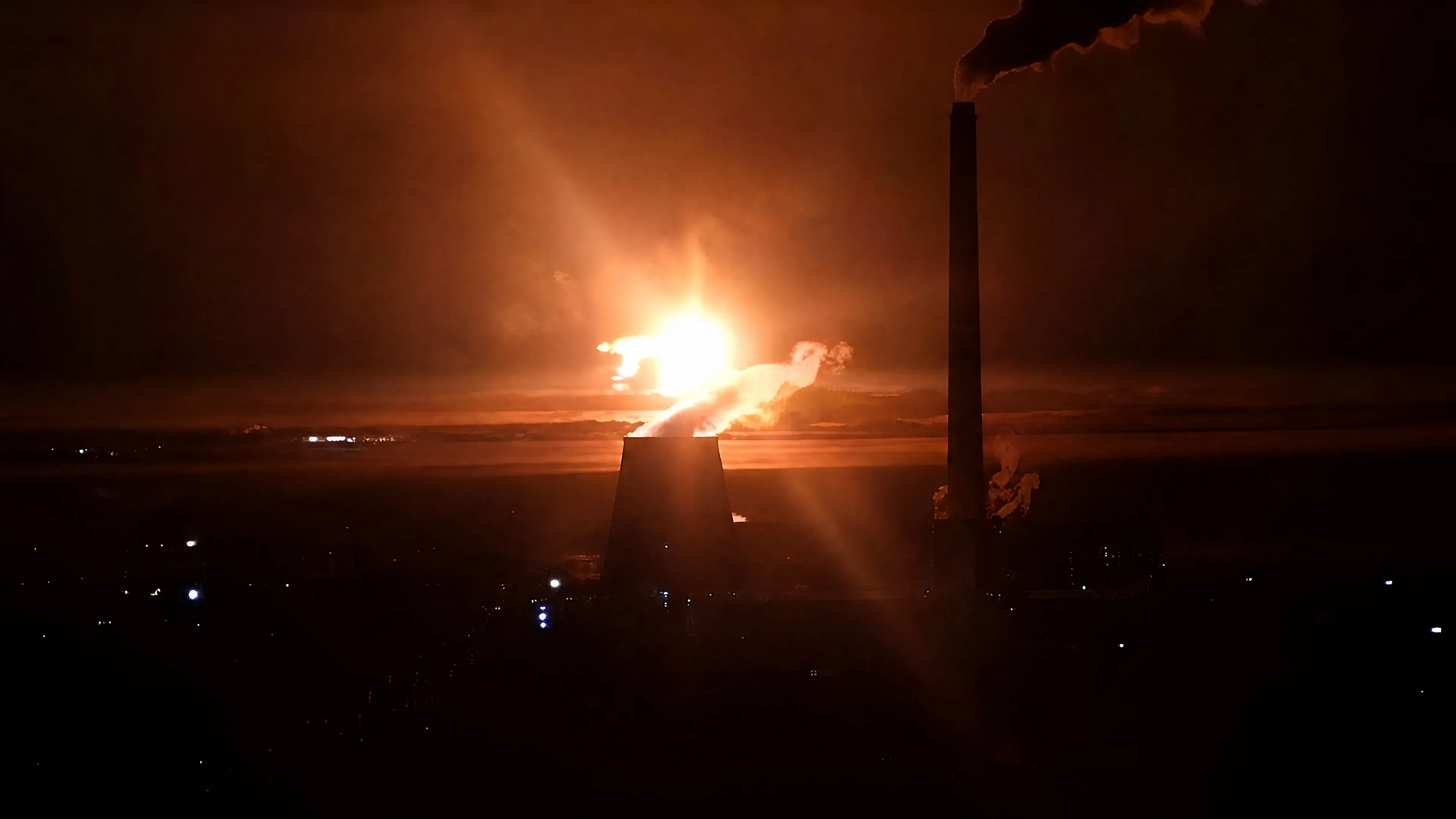
On the same day, the Defence Forces hit three oil depots in the russian city of Azov, Rostov Oblast: Flash Energy, Transit-Express, and Azovskaya.
These facilities perform different functions in the fuel chain:
- Flash Energy stores and supplies petroleum products;
- Transit-Express operates as a transshipment terminal capable of transferring fuel from rail to road transport;
- Azovskaya has significant storage and transshipment capacity.
In this way, the strikes hit not only fuel production capacity but also the infrastructure that allows fuel to be stockpiled, distributed, and delivered to consumers.
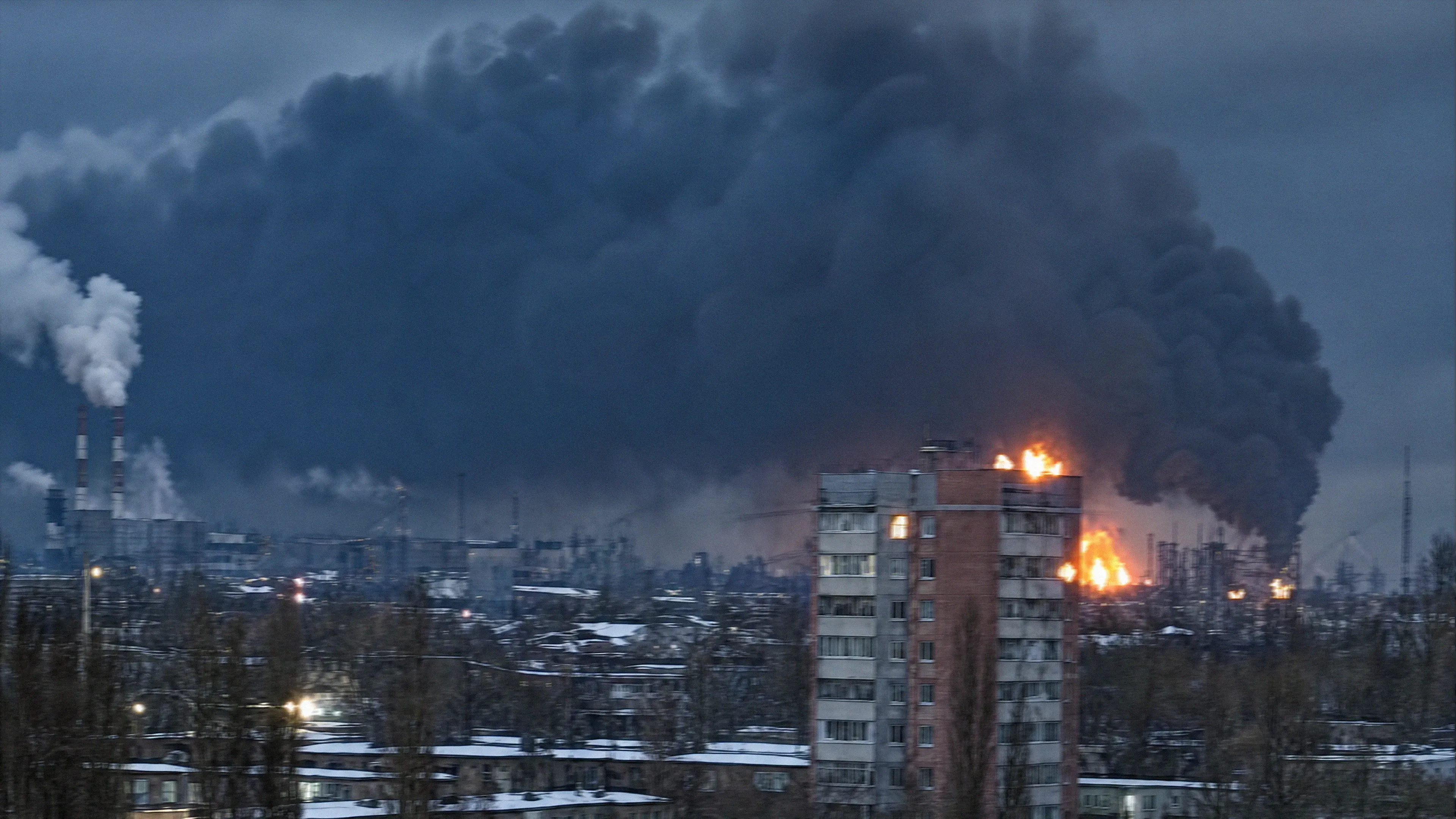
The following night, November 17, Ukrainian forces struck the Gazprom Neftekhim Salavat petrochemical complex in Bashkortostan. The facility is located around 1,500 kilometers from Ukraine’s border and has a refining capacity of around 10 million tonnes of oil per year.
It produces gasoline, diesel and aviation fuel, lubricants, and petrochemical products. After the hit, explosions were heard at the complex and a fire broke out.
Also on November 17, operators of the 1st Separate Unmanned Systems Center reported hitting the Bashneft-Ufaneftekhim Oil Refinery in Ufa. The plant is part of the Ufa refining complex, which has a total capacity of around 23.5 million tonnes of oil per year. At the same time, the extent of the damage to the refinery requires separate confirmation.
Overnight into November 18, Ukrainian forces struck the Ilsky refinery again and also hit the Afipsky Oil Refinery in Krasnodar Krai. According to the General Staff of the Armed Forces of Ukraine, a tank farm was hit at the Ilsky refinery and an oil processing unit at the Afipsky refinery.
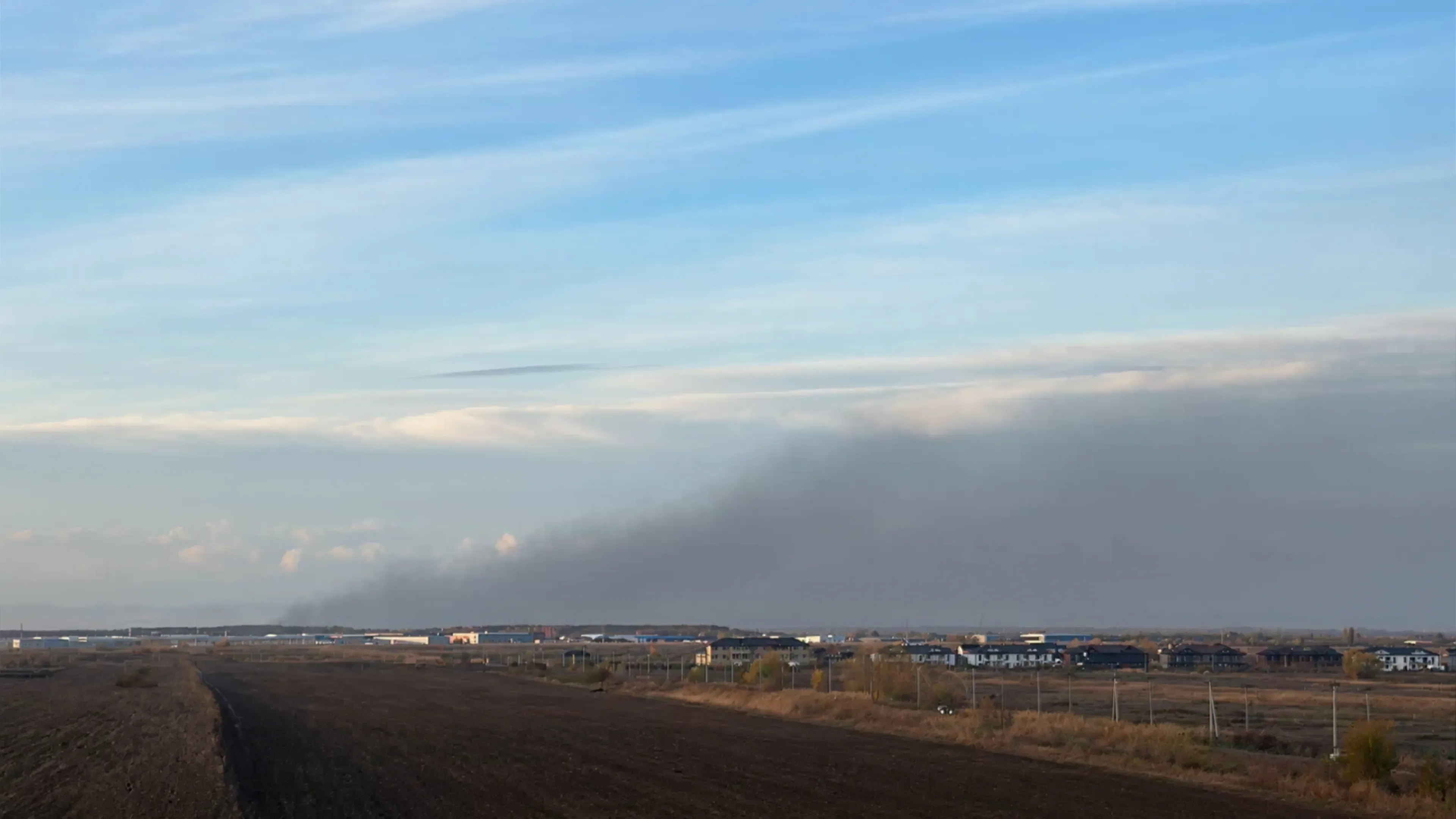
The extent of the damage at the Ilsky refinery was later clarified: one RVS-5000 tank was destroyed and eight more tanks of various capacities were damaged. A section of the oil pipeline and technical and warehouse buildings were also damaged.
Another important episode was the November 19 strike on the Kaleikino oil pumping station near Almetyevsk in the Republic of Tatarstan.
It is one of the key hubs of russia’s oil system, where oil from different regions is received and blended before being sent to oil refineries and into the Druzhba main oil pipeline system.
According to the General Staff, hits on three RVSPA-50000 tanks at the Kaleikino-1 oil pumping station have been confirmed. One tank caught fire and two more were damaged. Each of them can hold up to 50,000 cubic meters of oil.
The significance of this strike extends beyond the facility itself. The hub facilitates the flow of crude oil from extraction sites to refineries and onward through the transportation network.
Disrupting military logistics: the Crimean Bridge and other crossings
Another area of focus was strikes on the transport infrastructure that the russian military uses to supply its occupation forces.
Overnight into November 16, the Defence Forces hit the Kerch Bridge, which connects temporarily occupied Crimea with russian territory. As a result of the attack, traffic across the bridge was temporarily halted, and damage to its structures and road surface was recorded.
The attack on the bridge continued overnight into November 17. The collapse of a road arch was reported. This episode showed how difficult it is for russia to guarantee the security of even those facilities it has spent years trying to present as protected.
The next strike on the Kerch Bridge took place overnight into November 19. This time, missile forces, in coordination with other components of the Defence Forces, used Neptune coastal missile systems of the Ukrainian Navy. According to the General Staff, the target was hit, traffic across the bridge was blocked, and the railway track was damaged.
The significance of these strikes lies primarily in the bridge’s military role. It is one of the main transport arteries that russia uses to deliver fuel, ammunition, weapons, and military equipment to the occupied peninsula and further on to the southern front.
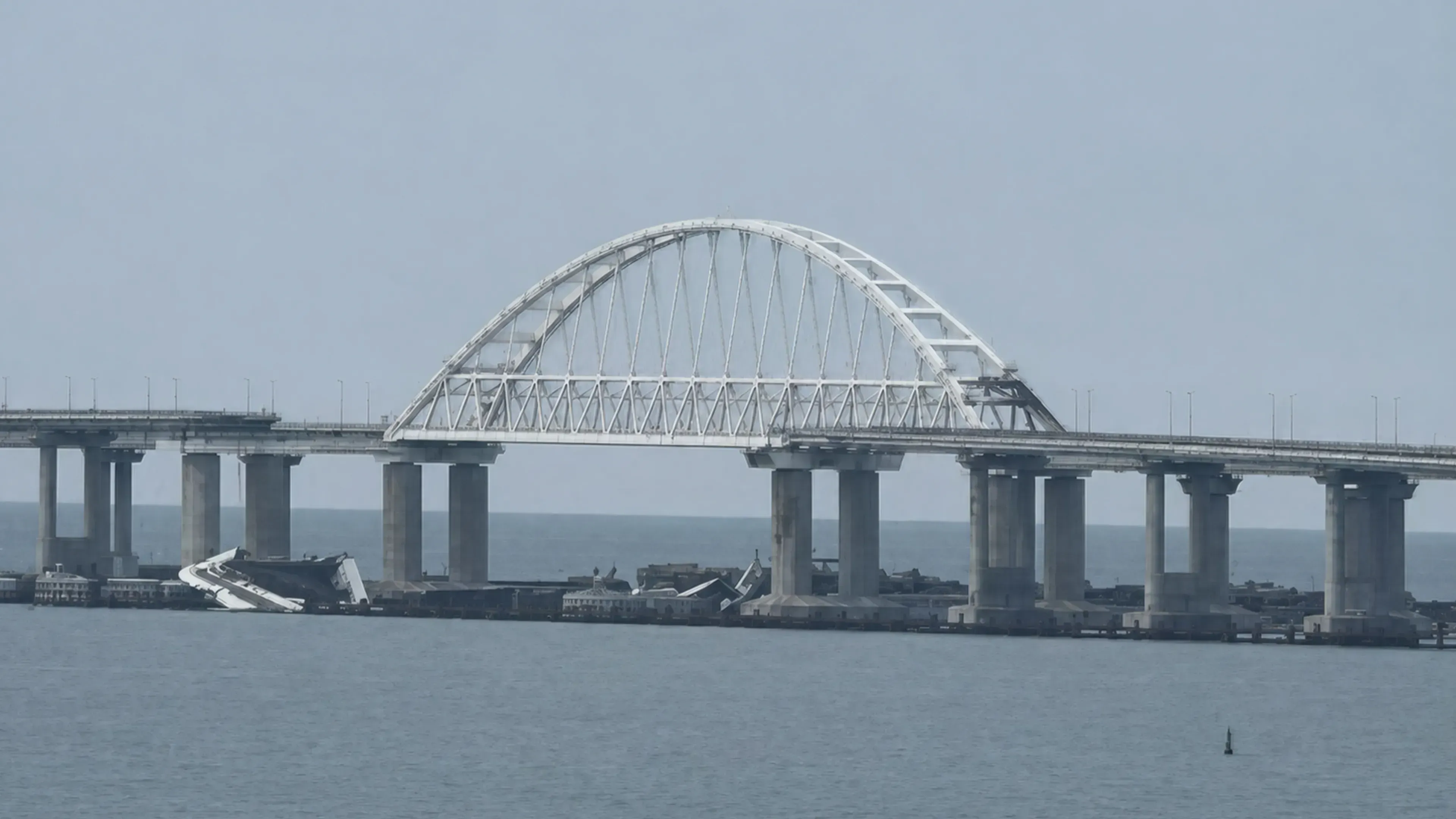
It also matters that the Kerch Bridge is not the only supply route for russian forces. However, disrupting its operation increases the load on alternative routes, complicates transport planning, and creates additional logistical constraints.
These actions added to earlier strikes on crossings. In particular, on November 15, damage was confirmed to road bridges over the Siverskyi Donets near Pryshyb in Luhansk Oblast and over the Mius River near Taganrog in Rostov Oblast. Earlier still, on November 14, a bridge over the Mius Estuary near Lakedemonovka was hit.
Overnight into November 18, a road bridge over the Siverskyi Donets near Stanytsia Luhanska was hit. And overnight into November 21, the General Staff reported a strike on another road bridge over this river near Luhansk.
In effect, this means consistently creating obstacles on the routes the russian military uses to move personnel, fuel, ammunition, and equipment.
russian air defense, command posts, and military facilities hit
Operations against air defense assets, electronic warfare systems, and russian forces’ command-and-control systems were equally important.
On November 17, the General Staff reported hits on ten russian radars and electronic warfare (EW) stations. In particular, two EW stations were hit near Yakovenkove in temporarily occupied Crimea and near Priazovsky in Krasnodar Krai.
Such assets are important elements of russia’s system for detecting, tracking, and countering Ukrainian drones. Disabling them can impair the enemy’s ability to detect air targets in time and interfere with their flight paths.
On November 19 and on overnight into November 20, the Defence Forces continued to strike the enemy’s military infrastructure.
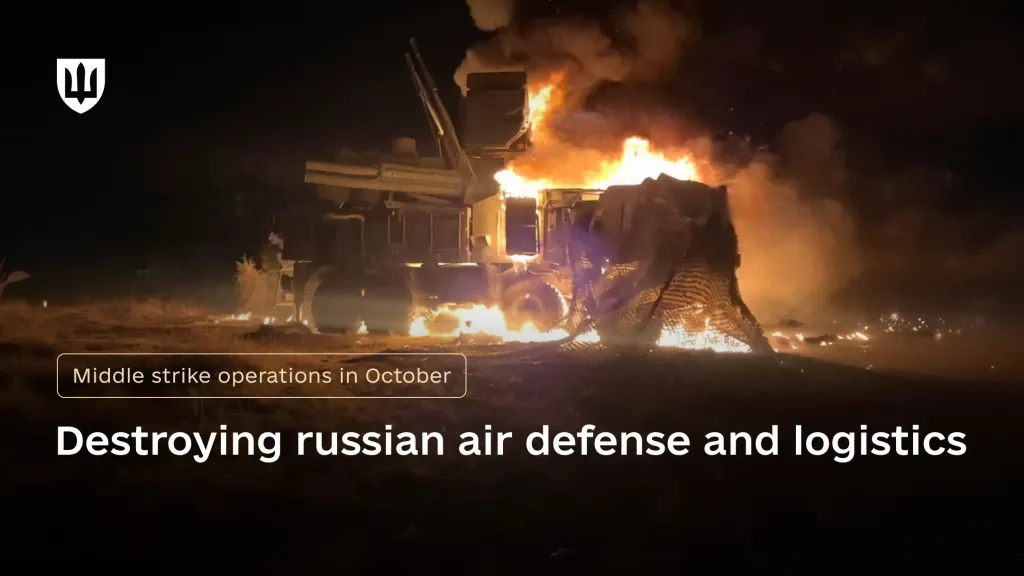
In Bryansk Oblast, a Pantsir-S2 surface-to-air gun-missile system was hit. This system is designed to protect military and infrastructure facilities from air threats, including drones and missiles.
Near Selydove in Donetsk Oblast, a russian drone command post was hit. Such centers organize operators’ work, coordinate flights, and direct the use of unmanned aerial vehicles (UAVs) against Ukrainian positions and settlements.
In addition, materiel depots of russian units were hit near Rubizhne and Lysychansk in Luhansk Oblast. Near Berdiansk in Zaporizhzhia Oblast, a concentration area for weapons and military equipment was struck.
Another important result was announced on November 20 by the President of Ukraine, Volodymyr Zelenskyy: in a single night, the Defence Forces hit three launchers of russian missile systems designed to fire ballistic missiles. At the time of the announcement, the destruction of one target had been confirmed, and the results for the other two were being clarified.
This is especially important given that russia continues to use ballistic missiles to strike Ukrainian cities, as well as energy and civilian infrastructure. Detecting and hitting launchers directly affects the enemy’s ability to prepare and carry out such attacks.
Overnight into November 21, the Defence Forces also hit an ammunition depot of a russian unit near Pervomaiske in temporarily occupied Crimea. Command posts of russian units were hit near Pryshyb in Zaporizhzhia Oblast and Ukrainsk in Donetsk Oblast.
These targets add to the overall picture: Ukrainian forces are affecting not only the enemy’s strike assets but also its ability to command its forces, accumulate resources, and organize combat operations.
Repair facilities and aviation: strikes on russia’s ability to recover
Hits on russian repair and aviation capabilities deserve separate attention.
Overnight into November 18, a russian military repair base was hit near Khomutovka in Kursk Oblast. Such facilities restore damaged armored vehicles, motor vehicles, and other military equipment.
When the enemy loses repair capacity, it loses not only a specific base but also the ability to quickly return damaged equipment to service. This increases the burden on other repair units and makes it harder to supply forces on the front line.
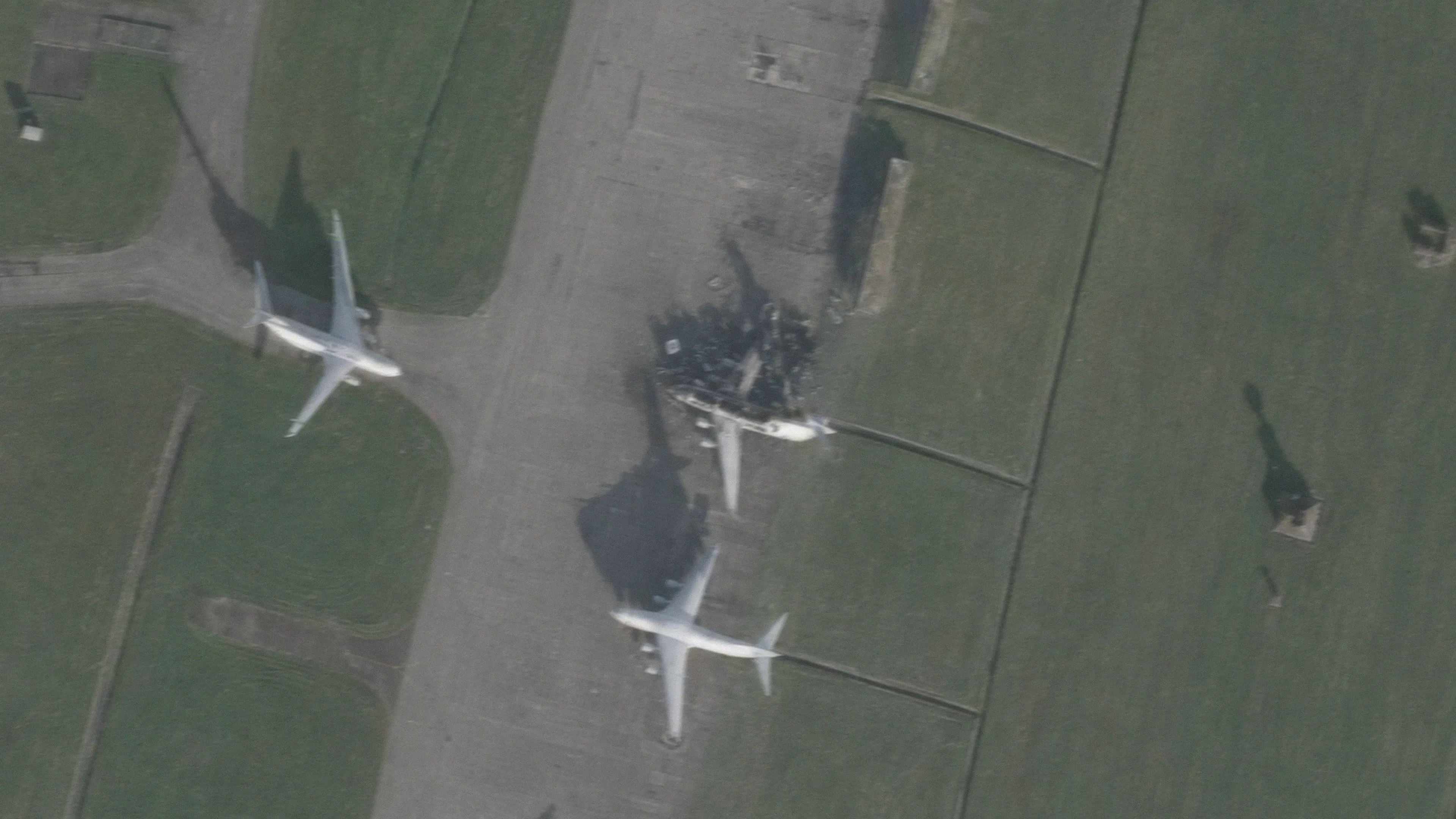
Also on November 18, the General Staff reported the results of a strike on russia’s 123rd Aircraft Repair Plant in Staraya Russa, Novgorod Oblast. The strike was carried out on November 10, and its consequences were clarified later.
According to confirmed information, three military transport aircraft of russia’s Aerospace Forces were damaged, including a heavy Il-76.
This result is important given the role of military transport aviation in moving personnel, equipment, cargo, and other resources over long distances. Damage to aircraft and repair infrastructure limits the enemy’s ability to restore aviation equipment and keep it operational.
Why the November 16–21 strikes are strategically significant
The main feature of Ukrainian operations during this period is the comprehensive nature of their impact on russia’s war machine.
War is not limited to direct clashes between units on the front line. To continue offensive operations, the russian military needs fuel, ammunition, serviceable equipment, protected supply routes, and communications, reconnaissance, and command assets. It also needs air defense systems that cover military facilities and rear infrastructure.
Ukrainian strikes put exactly these interconnected elements under pressure.
First: reducing the enemy’s fuel and financial resources. Strikes on oil refineries, oil depots, and oil pumping stations create problems at different stages of the fuel cycle, from production to storage and transportation. This can make it harder to supply russian forces and, at the same time, affect the economic resources that finance the war.
Second: complicating military logistics. Strikes on the Kerch Bridge and other crossings force the enemy to look for alternative routes, change transport arrangements, and spend more time delivering cargo. For a military fighting across a large territory, even additional logistical difficulties can have tangible consequences.
Third: weakening air defense. Hits on air defense systems, radars, and EW stations create gaps in the protection of russian facilities. This matters not only for a specific strike but also for further operations by Ukrainian drone and missile systems.
Fourth: reducing the enemy’s ability to use drones and command its forces. UAV command posts, depots, and sites where equipment and weapons are concentrated are important combat support nodes. Hitting them can disrupt coordination, reduce available resources, and complicate preparations for offensive operations.
Fifth: limiting the ability to restore combat potential. Strikes on repair bases, aircraft repair plants, and military transport aviation affect how quickly russia can make up for losses, return equipment to service, and move resources.
Importantly, these effects do not occur in isolation. Damage to fuel infrastructure affects logistics. Disrupted logistics complicates supplies to units. Weakened air defense opens additional opportunities for subsequent strikes. And the destruction of repair and command capabilities makes it harder to restore the system after the losses inflicted.
Not isolated explosions, but a consistent weakening of russia’s military potential
The events of November 16–21 show that the Defence Forces of Ukraine continue to work not only against direct military targets but also against the infrastructure that sustains russia’s ability to wage war.
From oil refineries in Krasnodar Krai and Bashkortostan to an oil pumping station in Tatarstan, from the Kerch Bridge to ammunition depots, command posts, air defense assets, and repair bases, Ukrainian strikes covered different levels of russia’s military system.
This does not mean that every hit automatically stops a plant’s operations or deprives the russian military of the ability to perform a particular task. The extent of damage and the time needed to restore individual facilities vary. However, the cumulative effect of such operations is that the enemy has to spend more resources on protection, repairs, reconfiguring logistics, and making up for losses.
Ukraine’s strategy goes beyond destroying russian military assets on the battlefield. It also involves systematically depriving the russian military of the resources, supply routes, and capabilities that enable it to continue fighting.