Next-generation interceptors: Ukrainian drones already autonomously take down Shahed-type UAVs
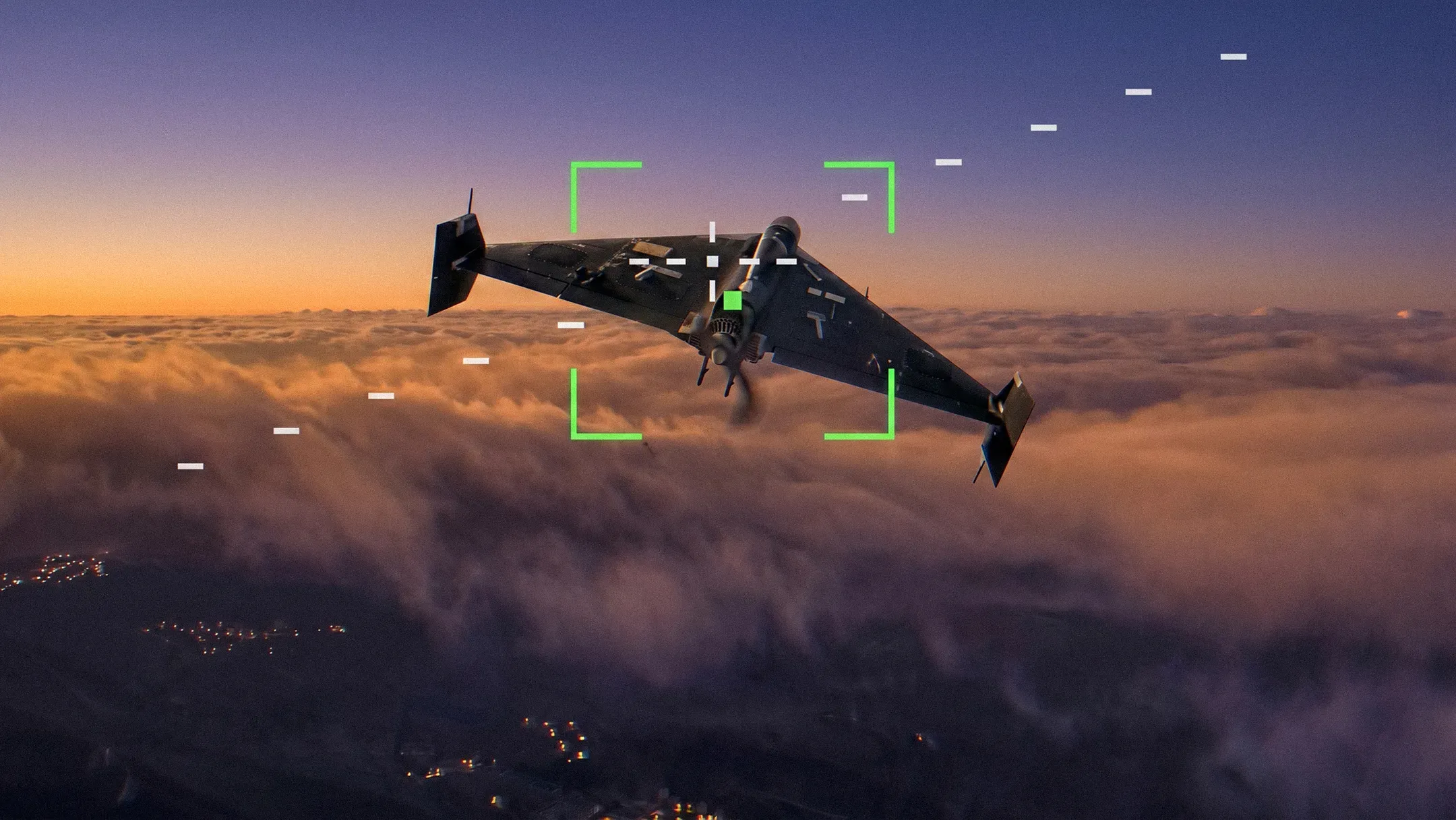
Ukraine is scaling up next-generation interceptor drones to strengthen the protection of its skies. A participant in the Brave1 defense innovation cluster has developed a technology that automates 95% of the full interception cycle — from launching the drone to destroying a Shahed-type strike UAV.
The system has already been successfully tested under combat conditions in the Kharkiv region.
How the technology works: from detecting a Shahed to autonomous target engagement
The operator tracks targets in real time, selects a target, and gives the command to engage. The system then independently guides the drone to the target, autonomously identifies the enemy UAV, and autonomously tracks and engages it.
From prototype to combat deployment in less than a year
With Brave1's support, the developer progressed from a prototype to successful combat deployment in less than a year. This shows how quickly Ukrainian defense tech solutions can move from development to battlefield deployment.
Autonomy is one of the key areas of development for modern air defense. These technologies enable a faster response to mass attacks and enhance the protection of Ukrainian cities. We are scaling up solutions that have already proven effective under combat conditions.
Ukraine continues to build advantages across multiple domains to bring the war to an end from a position of strength. Ukraine’s defense strategy focuses on protecting the skies, halting the enemy on the ground, controlling the sea, striking russia’s economy, and prevailing in the cognitive domain.
Earlier, the Brave1 defense innovation cluster conducted field trials of a new generation of FPV drones. Efforts are currently underway to accelerate the delivery of these UAVs to the Defence Forces of Ukraine. Some of the tested systems have already demonstrated high effectiveness in challenging conditions.