State Operator for Non-Lethal Acquisition (DOT) expects to sign over 80% of 2026 clothing and gear contracts for the Armed Forces of Ukraine by the end of the year
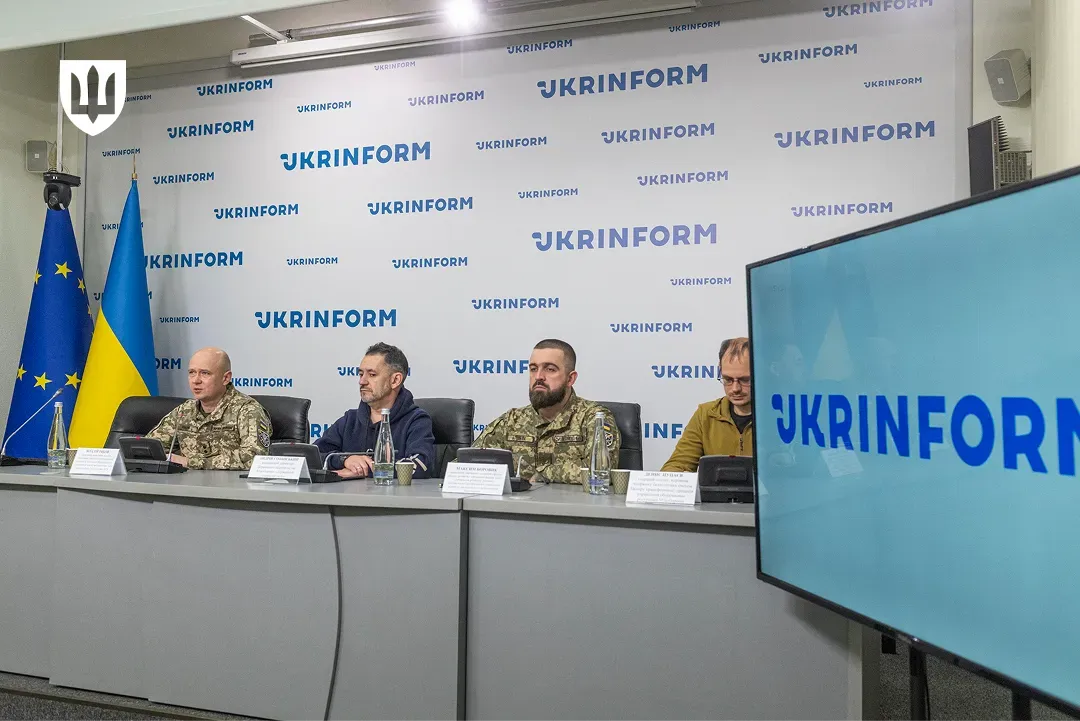
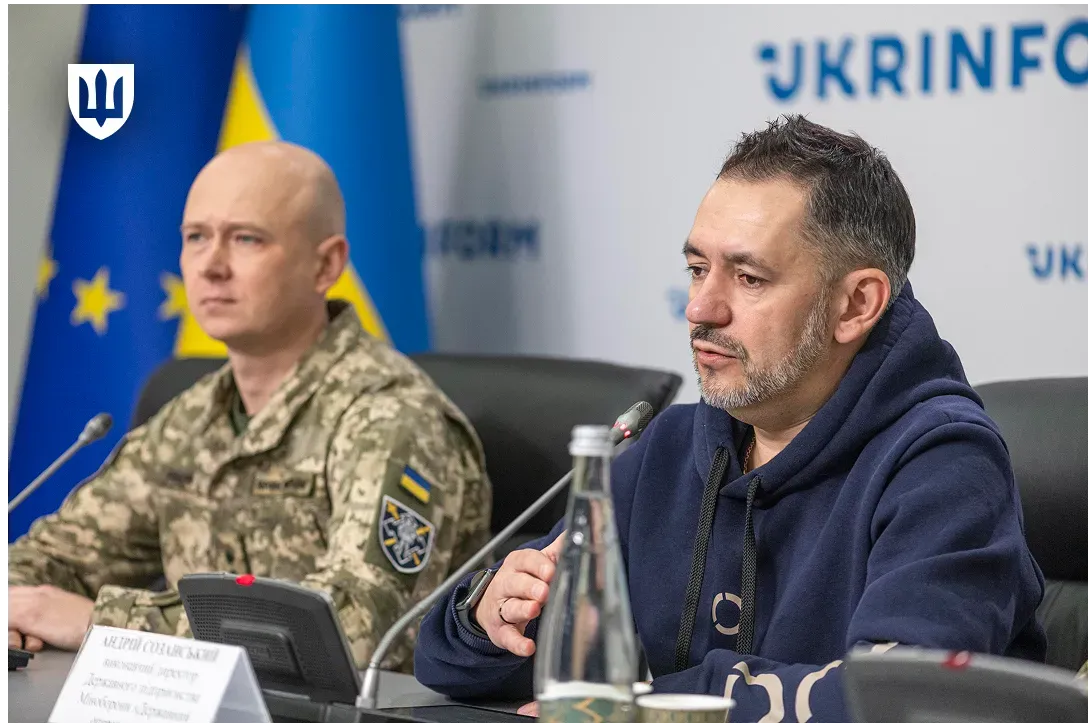
By the end of December, the State Operator for Non-Lethal Acquisition (DOT) expects to sign over 80% of clothing and gear contracts for the Armed Forces of Ukraine for 2026. This was announced during a press conference on the results of military supply in 2025 and plans for 2026 by Andrii Sozanskyi, Executive Director of the MoD State Operator for Non-Lethal Acquisition (DOT).
He stressed that food and clothing are just as essential to defense capability as the supply of weapons and ammunition.
Early contracting and 2026 procurement status
According to Andrii Sozanskyi, DOT is continuing the early contracting approach launched in 2024. This model allows suppliers to plan production evenly, prevent supply failures, and maintain transparent procurement processes.
As of today, 100% of announced food supply procurements for the Armed Forces of Ukraine for 2026 have already been contracted. Clothing and gear procurements are in the final stage: procedures are ongoing, and bids are expected to be opened on 15–20 December. Following qualification and the selection of successful bidders, the contracts are to be signed by the end of the month.
“The annual supply schedule allows manufacturers to plan production, procure raw materials, allocate personnel, and secure financing. Last year, this approach proved effective, and we are continuing this practice,” Andrii Sozanskyi emphasized.
Reforming the quality assurance system
The Ministry of Defence is currently implementing measures to reform the quality assurance system. The Main Directorate for State Quality Assurance (MD SQA) has already been established. It now fully carries out quality control and assurance measures for clothing and gear, food products, and fuel and lubricants.
In accordance with Resolution No. 452 of the Cabinet of Ministers of Ukraine dated 15 April 2025, “On Approving the Procedure for Conducting State Quality Assurance of Defense-Related Goods, Works, and Services,” regular inspections (at least once a year) of certified quality management systems are already mandated. These inspections are carried out through supervisory audits conducted by the authorized state quality assurance body, whose functions are performed by the MD SQA.
One of the key changes in the quality assurance system will be an increase in manufacturers’ accountability. According to Andrii Sozanskyi, manufacturers supplying products to the Armed Forces of Ukraine will be required to undergo certification in line with international standards, including ISO 9001 and sector-specific requirements for food safety and personal protective equipment.
Enhancing food quality assurance
The changes also affected the food quality assurance system. In 2025, following complaints from service members about the quality of dairy products and canned food products, the State Operator for Non-Lethal Acquisition expanded the list of items requiring mandatory laboratory verification before delivery. In the second half of the year, a memorandum was signed with the State Service of Ukraine on Food Safety and Consumer Protection, under which its laboratories now test each batch of butter and cheese. In addition, canned meat products are now subject to full laboratory certification.
Digital transformation of the supply system: transitioning to the unified DOT-Chain platform
The Executive Director of the State Operator for Non-Lethal Acquisition also elaborated on the digital transformation underway. He noted that digitalization in the supply domain began in 2024 with the implementation of the DOT-Chain system, which covered the entire food supply process.
According to Andrii Sozanskyi, in 2026, digitalization will extend to clothing and gear, fuel and lubricants, and other areas that still rely on paper documentation. He emphasized that DOT plans to fully transition non-lethal supplies for the Armed Forces of Ukraine to the unified DOT-Chain system.
Focus on service members’ needs
DOT continues to advocate for service members’ needs by collecting feedback through QR codes and surveys, conducting field visits, and using other tools. QR codes are already being applied to field rations and hygiene kits that form part of the so-called ‘Wounded Warrior Package’. Further activities are planned for next year to address service members’ needs better.
There is currently significant demand among service members for a reimbursement mechanism. Under this model, service members independently select and purchase clothing and gear from certified stores, while the state compensates them for these expenses. Consequently, from the beginning of next year, DOT will initiate stakeholder consultations on implementing a reimbursement mechanism for designated clothing and gear items.
Position of the Logistics Forces Command
For his part, Colonel Vitalii Riabov, Head of the Supply Department of the Property and Services Support Directorate of the Central Clothing and Gear Supply Directorate of the Rear Service of the Logistics Forces Command of the Armed Forces of Ukraine, noted that the Logistics Forces Command ensures all necessary measures for the timely provision of clothing, gear, and food.
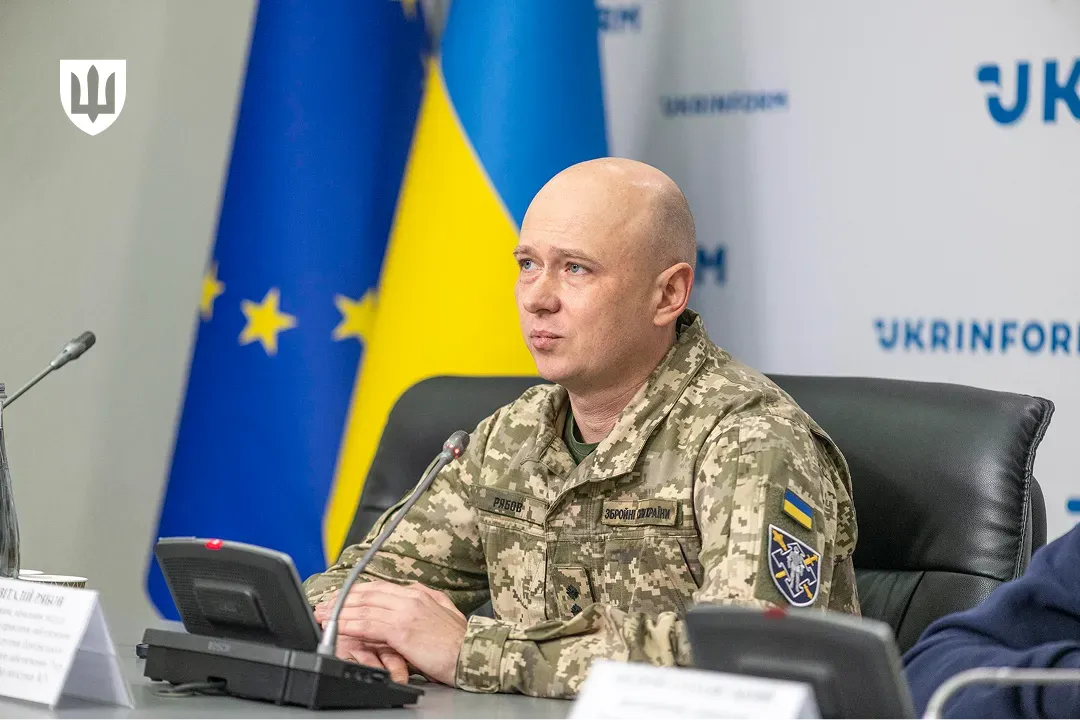
“We have established effective cooperation with DOT. Preparations for 2026 procurements are underway. We expect that the relevant contracts will be signed in December to ensure uninterrupted supply. Stocks have already been formed in warehouses, and we are ready to fulfill our duties,” he said.
Modernizing military clothing and strengthening cooperation with manufacturers
Junior Lieutenant Maksym Borovyk, Senior Officer of the Military Clothing Development Department within the Central Directorate for Logistics Support Development (CDLSD) of the Ministry of Defence of Ukraine, stressed that the CDLSD is responsible for the development and introduction of new designs of clothing and gear, as well as improved food products.
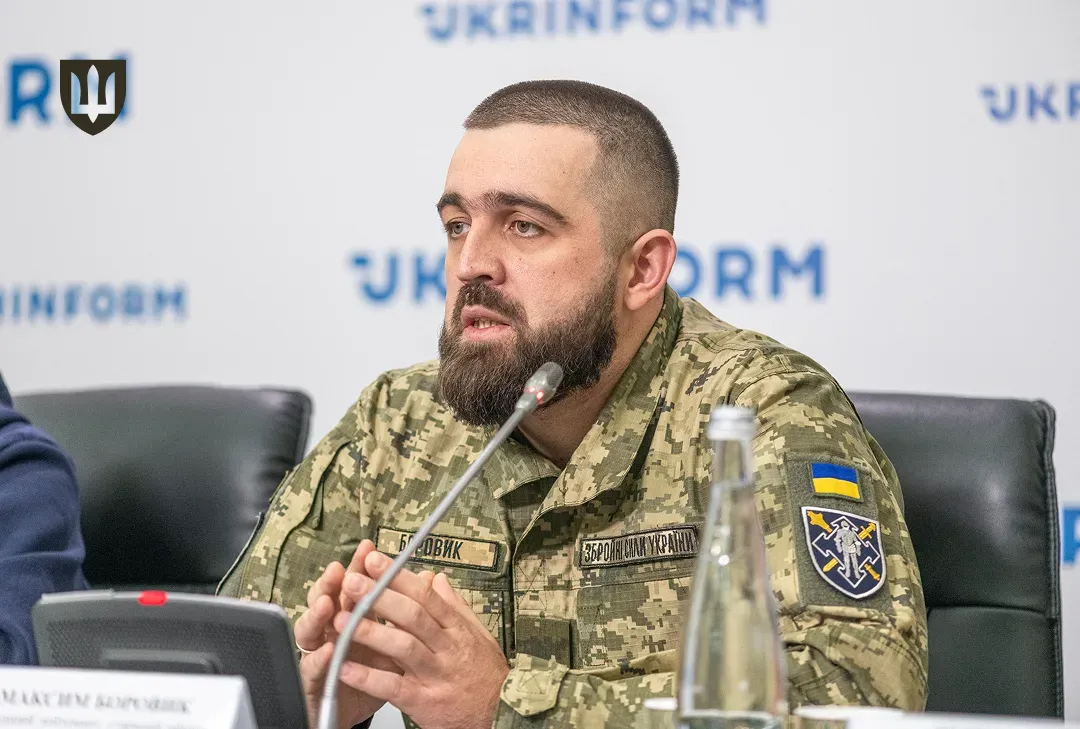
“We continuously refine issued gear and clothing — from underwear and footwear to personal protective equipment. Adjustments are guided by the needs of service members, who are the end users, and proposals received from the Logistics Forces Command. In parallel, we cooperate with manufacturers by providing explanations, issuing conformity acts, and setting reference standards for new items,” he noted.
Digital tools for defense resource management
According to Senior Soldier Denys Tsutsaiev, who leads SAP implementation for unmanned systems at the Ministry of Defence’s Center for the Transformation of Defense Resource Management Processes, SAP-based digital solutions have been actively introduced in the defense sector since 2023. SAP is used for defense resource accounting in more than 80% of NATO partner countries.
“The system enables full-cycle tracking — from planning and procurement to the point when an item reaches a military unit and is put into use. This is crucial for Ukraine, as well as for our partners who provide international military assistance and require transparent reporting,” he stated.
In parallel with digitalization, logistics processes are being upgraded: warehouses are transitioning to a standardized operating model, enabling rapid identification of items, including by their serial numbers. According to Denys Tsutsaiev, the system has more than 3,000 active users each month across over 1,000 military units.
Summary and outlook
The implementation of measures in procurement planning, quality assurance, and digitalization of supply strengthens the efficiency, transparency, and reliability of resource delivery for the Armed Forces of Ukraine. The adoption of modern approaches ensures continuity of supply, minimizes the risk of errors, and supports further development of the defense supply system.