Concessional leasing for defense manufacturers: how defense companies can scale up production
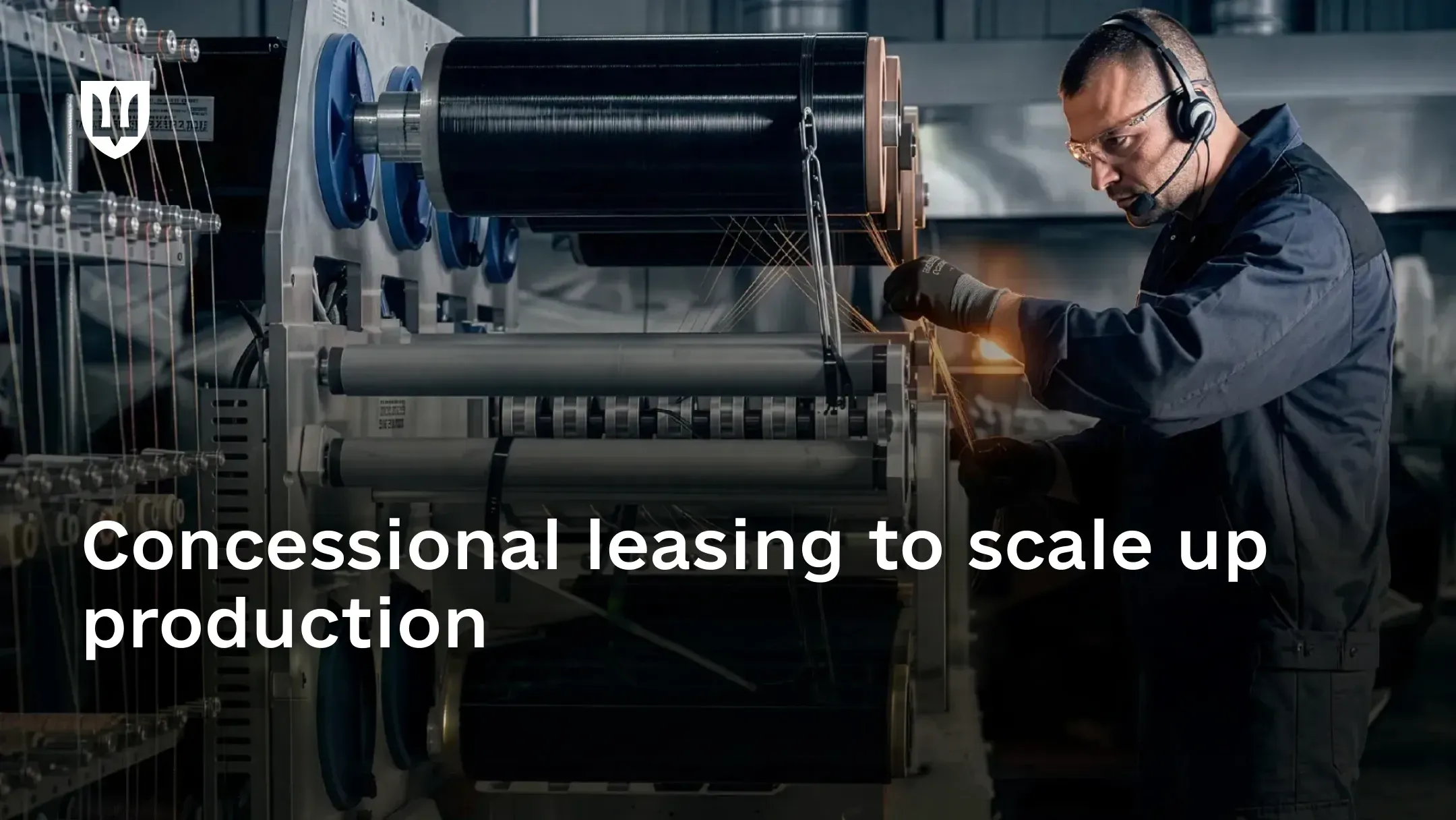
The Ministry of Defence of Ukraine provides a detailed overview of the concessional leasing program for defense companies, which helps them scale up production.
Expanding weapons production often requires substantial investment in new machinery, production lines, transport equipment, automation technologies, or manufacturing facilities. Purchasing these assets outright requires a company to commit substantial capital upfront—funds that could otherwise be used to purchase components, pay wages, or fulfill contracts.
One way to spread these costs over time is through leasing.
Conditions of the concessional leasing program for defense companies
A government program enables defense companies to reduce their effective annual leasing costs to 5%. The government covers the difference between the base leasing rate and the subsidized rate.
The program is available to defense companies that, as of the date the financial leasing agreement is concluded, are designated as critically important to the functioning of the economy during a special period in the defense industry sector.
When leasing may be a good option for defense companies
Concessional leasing may be useful when a manufacturer already needs new equipment, but purchasing it outright would create a significant financial burden.
For example, a company may have received new orders and need to increase its production capacity. Meeting this demand may require additional equipment or a new production line. With an outright purchase, the company must pay the equipment’s full cost upfront. Under the leasing model, the company gains the right to use the asset and makes scheduled payments under the agreement.
As a result, the manufacturer can put the equipment into use sooner without committing the full purchase amount upfront.
Leasing may be worth considering if the new asset will help the company:
- increase production capacity;
- eliminate a production bottleneck;
- reduce manufacturing lead times;
- launch serial production of a new product;
- automate specific operations;
- replace outdated or underperforming equipment;
- fulfill existing or anticipated orders.
At the same time, leasing does not eliminate the need for sound financial planning. Before approaching a leasing provider, the company should assess what production outcomes the asset will deliver and which revenue streams will be used to make the regular payments.
Assets eligible for leasing
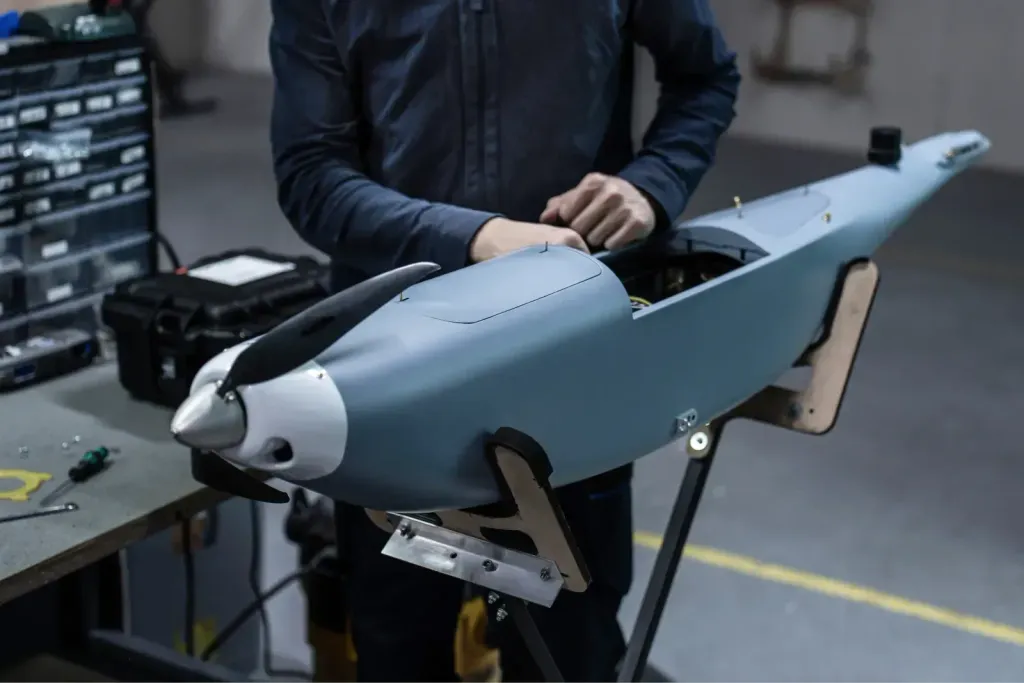
The program covers assets required for the development, production, repair, modernization, and disposal of weapons, military and special-purpose equipment, ammunition, their components, and other military products.
Eligible assets available through financial leasing include:
- special-purpose and general-purpose equipment and machinery;
- mobile production platforms;
- dual-use equipment;
- manufacturing equipment for weapons, military equipment, and ammunition;
- automation equipment;
- electronic communications and cybersecurity equipment;
- commercial and industrial vehicles;
- railcars and buses used for commercial and industrial purposes;
- commercial real estate used in the company's operations.
Commercial real estate acquired under the program may not be made available to third parties, whether for payment or free of charge.
Key conditions of the concessional leasing program for defense manufacturers
The maximum financing amount per agreement may not exceed UAH 500 million or the equivalent in foreign currency. The maximum term of the agreement may not exceed five years.
The base leasing rate may not exceed the UIRD index plus 5 percentage points and, in any event, may not exceed 23% per year. Government support reduces the company's effective annual leasing rate to 5%.
The one-time financial leasing service fee may not exceed 0.75% of the financing amount.
The agreement may also provide for a deferral of lease payments for up to 12 months.
The leasing provider may also include the cost of additional services directly related to the performance of the agreement in the payments. The government does not cover these costs, and their maximum amount depends on the type of leased asset. Before entering into an agreement, companies should evaluate not only the leasing rate but also the overall structure of future payments.
How concessional leasing differs from a concessional loan
Loans and leasing can address different production needs.
With a loan, a company receives financing and purchases the required asset itself. The bank may also require collateral for the financing.
With leasing, the company receives the asset for use and makes lease payments under the agreement. The financial leasing agreement determines the terms governing use of the asset, its maintenance, and any subsequent transfer of ownership.
The choice between a loan and leasing therefore depends on the company's financial position, the type of asset, the terms of the agreement, and the planned period of use.
How to apply for the concessional leasing program
Before applying to an authorized leasing provider, companies should determine:
- what equipment or other property is needed;
- how much it costs;
- who will supply it;
- what production need it will address;
- when the asset must be placed into service;
- what revenue sources will be used to make the lease payments.
The company submits an application and supporting documents to an authorized leasing provider in paper or electronic form in accordance with the provider's rules and procedures.
The leasing provider evaluates the company's financial capacity and verifies that the leased asset meets the program requirements. The leasing provider verifies the company's status as critically important to the defense industry by submitting a request to the Ministry of Defence of Ukraine. The final terms are then established in the financial leasing agreement.